Cookie Making Basics
Votes: 1
By following the savvy advice of Food Network chefs, you'll be baking cookies that everyone will be asking for again and again.
Baking: The Science Behind the Process
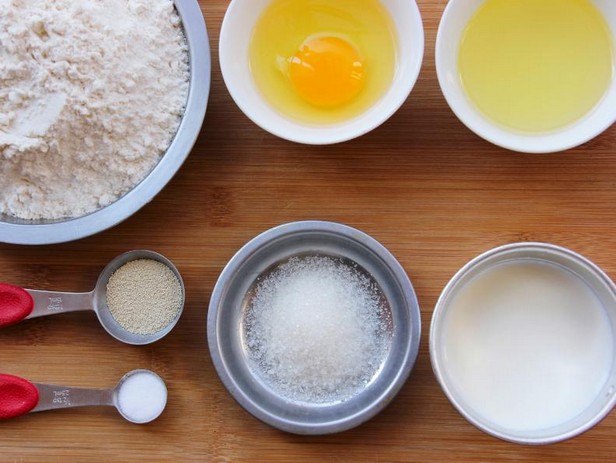
Bakers always say baking is a science. But what a delicious science it is! With a little theory, you can bake cookies that everyone will be asking for. Here are the basic principles the chefs at the Food Network kitchen rely on when baking cookies at work or at home.
Where to start
Before you start baking, read the recipe completely, preheat the oven, and lay out all the ingredients and equipment on the counter.
How to measure
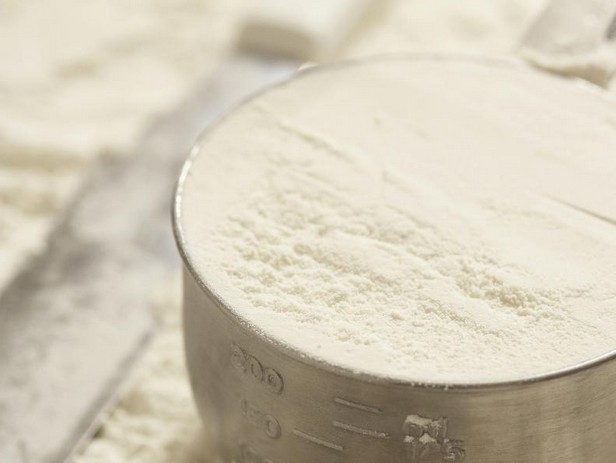
To ensure the results are as expected, measure ingredients as directed in the recipe. When testing recipes, Food Network chefs pour dry ingredients (flour, cocoa powder, etc.) into dry measuring cups and remove any excess by running the blunt side of a knife around the edges. Brown sugar is firmly packed into the measuring cup. Place the liquid measuring cup on the countertop and lean forward so the markings are at eye level when filling.
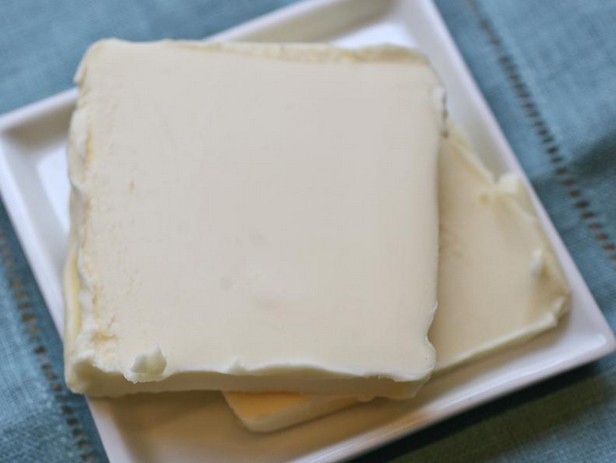
About butter
Butter is the foundation of delicious cookies. For baking, it's best to use unsalted butter. It will whip better if it's brought to room temperature (it should leave a fingerprint). To bring the butter to room temperature faster, cut it into pieces and arrange it on a plate.
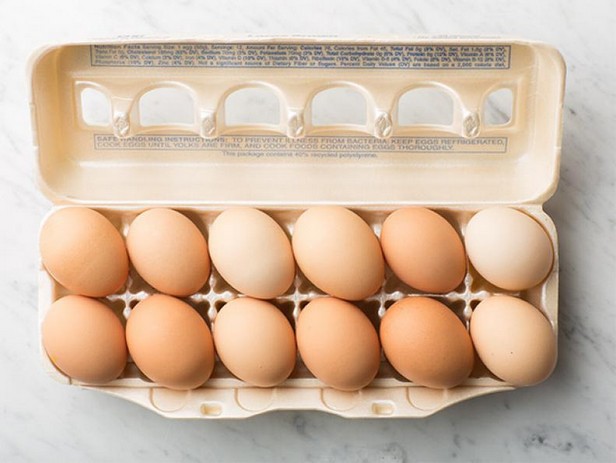
What are eggs for?
Eggs give cookies texture and help them hold their shape. Adding them one at a time to the whipped butter helps maintain the structure of the cookies. Egg size matters. We use large eggs in our recipes unless otherwise noted. Room-temperature eggs are easier to separate into whites and yolks, and they turn out fluffier when whisked. To speed up the whisking process, soak the eggs in a bowl of warm water for 5 minutes.
Categories:
Similar recipes