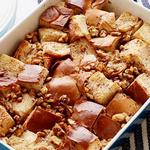
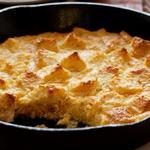
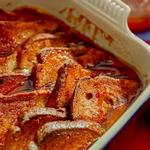
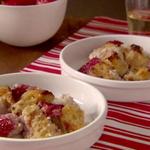
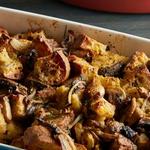
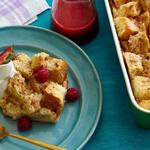
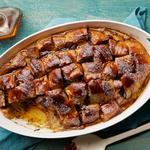
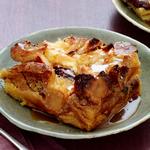
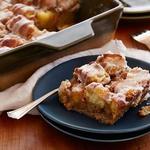
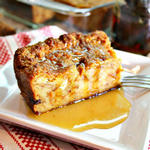
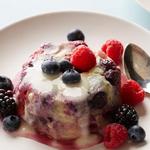
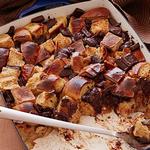
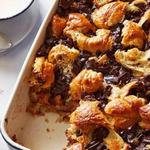
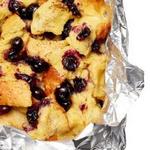
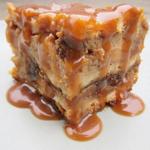
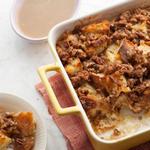
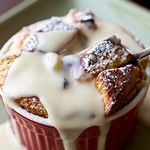
Capirotada – Mexican bread pudding

Complexity: easily
Servings: 10
Calories 465, total fat 13 G., saturated fats G., proteins 14 G., carbohydrates 71 G., fiber G., cholesterol mg, sodium mg, sugar G.
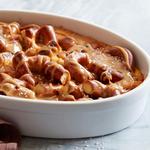
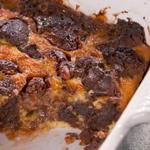
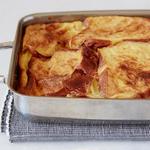
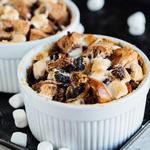
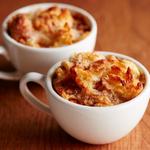
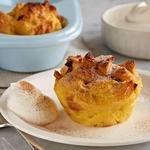
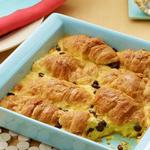
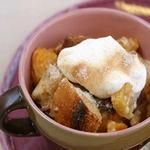
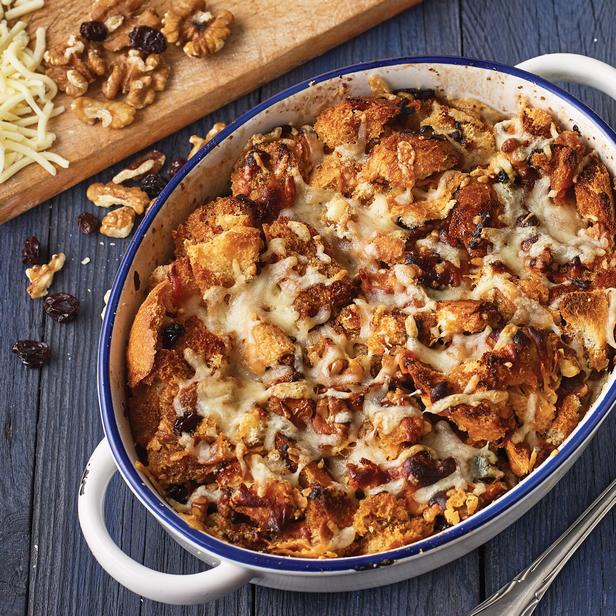
Capirotada is a Mexican Easter pudding traditionally baked on Good Friday. Layers of stale bread soaked in a spicy syrup with cinnamon and cloves, various dried fruits, nuts, and cheeses are placed in a mold and baked. The result is an incredibly delicious and aromatic blend of salty and sweet, crunchy and tender—all in one bite. And especially devout Christians see deep symbolism in this stunning blend of textures in capirotada, recalling the Passion of Christ. The bread represents the flesh of Christ, the syrup represents the blood, the cinnamon stick represents the wooden cross, the cloves represent the nails, and the melted cheese represents the shroud. This also serves as a reminder to cooks of the essential ingredients of Easter pudding.
1 glass (st.) - 250 ml.
3/4 cup (st.) - 180 ml.
2/3 cup (st.) - 160 ml.
1/2 cup (st.) - 125 ml.
1/3 cup (st.) - 80 ml.
1/4 cup (st.) - 60 ml.
1 tablespoon (tbsp) - 15 ml.
1 teaspoon (tsp) - 5 ml.
1/5 teaspoon (tsp) - 1 ml.
Ingredients for the recipe:
- 350 g piloncillo or brown sugar
- 1.5 cups of water
- 1 cinnamon stick
- 2 cloves
- 3 tbsp (45 g) melted butter
- 3 tablespoons of vegetable oil
- 16 slices, 0.8 cm thick. bolillo or a French baguette that is at least two days old
- 3/4 cup cotija cheese
- 1/4 cup roasted peanuts
- 1/4 cup raisins
- 2 tbsp (30 g) butter, cut into small cubes
We recommend





Cooking the dish according to the recipe:
- Preheat the oven to 350°F (175°C). Place the piloncillo, cinnamon stick, cloves, and water in a medium saucepan. Place over medium heat and melt the sugar. (If you have difficulty cutting the piloncillo into the desired size, microwave it in 30-second increments until it's soft enough to cut. Be careful when removing it from the microwave, as it will become very hot.)
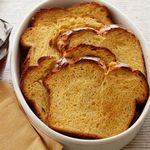
- Mix melted butter with vegetable oil and brush the bread slices with it. Place them on a baking sheet and bake for 8 minutes, then flip them over and bake for another 5 minutes. The bread should be a rich golden brown.
- Begin by arranging the bread slices in a round baking dish. Using a ladle, slowly pour the syrup over the bread, ensuring it's completely saturated without dripping to the bottom of the dish. There should be enough syrup to soak the entire loaf. Ideally, dip the bread into the syrup to ensure even soaking.
- Top the first layer of bread with cheese, raisins and peanuts or any other dried fruits or nuts you like.
- Place the next layer of bread on top and repeat the entire process of soaking and sprinkling with cheese, raisins and nuts.
- Pour the remaining syrup over the final layer of bread and sprinkle with cheese, raisins, and peanuts. Spread 2 tablespoons (30 g) of diced butter over the top. Cover with aluminum foil and bake in the preheated oven for 45 minutes, until the top crust is golden and the bottom layers are moist. Serve the pudding warm or chilled.
Note
Some variations of the recipe:
Traditionally, bread is toasted rather than baked in the oven. You can choose your preferred method.
Italian bread and challah can also be used as bread. In northern Mexico, they even add corn tortillas.
Some cooks add anise seeds to the syrup. You can also add 1/4 teaspoon. This amount will be enough for this recipe.
Sometimes fruit is added to capirotada, usually fried plantains, bananas, or apples.
Sometimes tomatoes and onions are added to the syrup.
Instead of raisins, you can also use prunes, cranberries or other dried fruits, even coconut flakes.
The same goes for nuts. You can use almonds, pecans, walnuts, or pine nuts.
Other cheeses you can use include Mexican Manchego, Monterrey Jack, and mild white cheddar. Even Parmesan cheese is suitable when combined with Mexican queso fresco.
Author of the recipe - Mely Martinez is a culinary educator and food blogger.
Categories:
Similar recipes