Shrimps
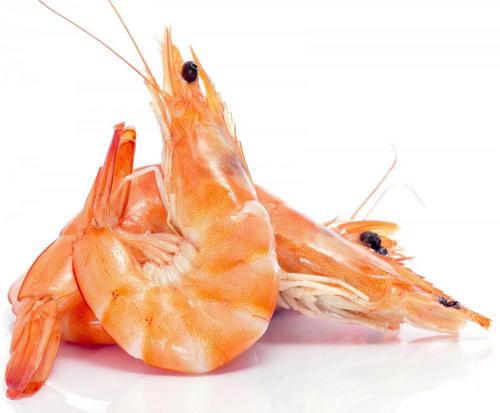
There are thousands of varieties of shrimp, but the most popular are king, tiger, and North Atlantic shrimp. They are caught in the ocean or farmed.
Most shrimp have a narrow body, tapering toward a curved tail, and long whiskers. Their entire body is covered with a fragile, protective shell-like covering, and each shrimp has 10 legs.
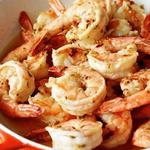
Raw shrimp are bluish-gray or translucent. Cooked, they turn pink, and their flesh is meaty and sweet. Shrimp caught in cold waters are tastier than those caught in warmer waters. Only the tail of this crustacean is eaten. Although very small, it is the meatiest and most delicious. Sometimes, small mollusks that resemble shrimp are called shrimp.
How to choose the best ones?
Fresh shrimp, whether raw or cooked, have a fresh, watery aroma, not a fishy smell. They should appear moist, not dry. They should be whole and undamaged.
Shrimp are sold raw and cooked. The latter can be eaten cold.
Tiger or king prawns are large and juicy. They are most often sold raw, in the shell or peeled. North Atlantic prawns are smaller and also usually sold whole and raw.
Tiger and king prawns are first peeled, their heads and shells removed, and only then cooked.
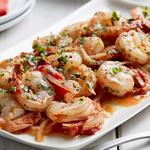
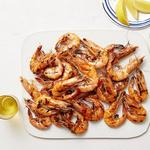
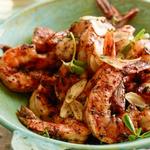
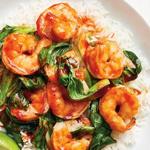
If you see pink or brown shrimp for sale, it means they've already been boiled or fried and are ready to eat. This isn't necessarily a bad option, as peeling whole, cooked shrimp is quite a messy process.
Preparation
If you have whole fresh shrimp, peel them. This can be done either before or after cooking. However, remember that if you cook the shrimp in their shells, they will be juicier and more flavorful after peeling.
Hold the shrimp's body in one hand and twist off its head with the other. Then, hold the shrimp with both hands and peel off the shell along its entire length, from head to tail. You can leave some of the shell on if you prefer.
Once the shrimp's shell is removed, look for the black line running along its back. This is its gastrointestinal tract. If it's black, it's complete. While the shrimp's gastrointestinal tract is edible, it looks better without it, so it's best to remove it. Take a small, sharp knife, run it along the black line, lift it up, and remove it.
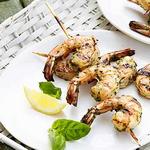
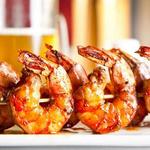
After the shrimp's shell and gastrointestinal tract have been removed, the remaining tail should be flattened. If you want the tail to remain firm and intact, you can thread it onto a wooden skewer.
Now the shrimp can be fried, stirring constantly (2-6 minutes, depending on size) or grilled or barbecued (3-4 minutes per side). Cook the shrimp, depending on size, for 3-10 minutes.
Storage
Shrimp spoil quickly, so store them in the refrigerator in their original packaging or a tightly sealed container. It's best to eat them within 24 hours of purchase.
All recipes with shrimp
Categories:
Related articles