9 Mistakes in Cooking Chicken
Votes: 3
These shortcomings are easy to fix—change your usual process, and the chicken will taste better.
The Perfect Chicken
There are many obstacles to achieving the most delicious chicken: stringy meat, tough skin, and an unpleasant flavor. These are all due to a number of mistakes that even experienced cooks make. Find out what you're doing wrong and how to correct them next time.
Mistake: Rinsing chicken with water before cooking
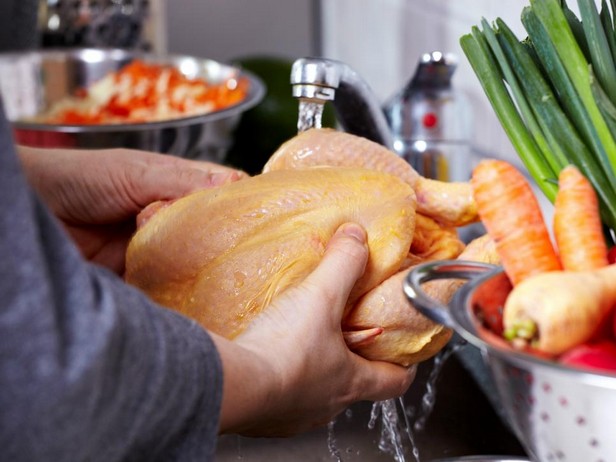
Why it's bad: Raw chicken isn't sterile, so rinsing or soaking won't kill the bacteria. However, there's a good chance that these dangerous bacteria will splash all over your kitchen, contaminating your sink, countertops, appliances, and any food items nearby.
Next time: Simply pat the chicken dry with kitchen towels. Don't worry! The high temperatures required for cooking kill bacteria.
Error: Skinless, boneless chicken breasts for all meals
Why it's bad: They're very low in fat—they become dry and stringy in recipes that require long simmering, such as stews and slow-cooker dishes.
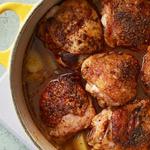
Next time: Try skin-on, bone-in thighs. Or, if you prefer only white meat, use bone-in, skin-on breasts and be careful not to overcook them. When in doubt, remove a piece from the pan and check with an instant-read thermometer. Cook to 165°F (73°C) inside for juicy and tender meat. If the chicken is done but the other ingredients are not, remove it, discarding the skin and bones, and set aside. Return the chicken to the dish toward the end of cooking, just to reheat.
Mistake: Marinating the chicken in lemon juice for too long
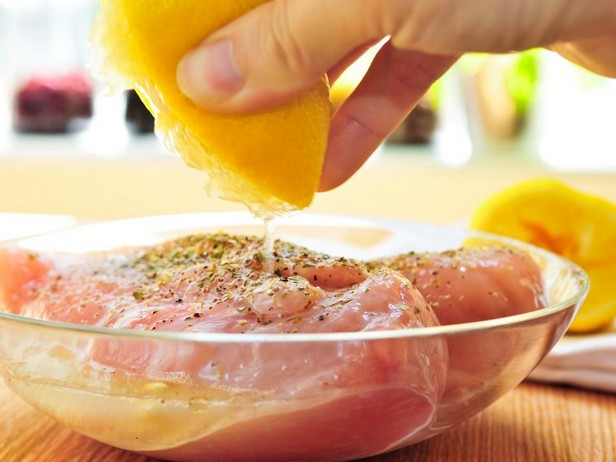
Why it's bad: In this case, a long soak doesn't mean a more flavorful dish. When a marinade contains lemon, lime, or orange juice, the citric acid will eventually ruin the texture of the meat, causing it to become spongy or mushy during cooking.
Next time: When using citrus, marinate for no more than 2 hours. (Also remember that acid reacts with metal, so refrigerate in plastic containers or bags.) Likewise, if chicken is soaked in buttermilk or marinated in yogurt for too long, the lactic acid and enzymes can make it too tender. For best results, marinate for no more than one day.
Mistake: Too many pieces in the pan
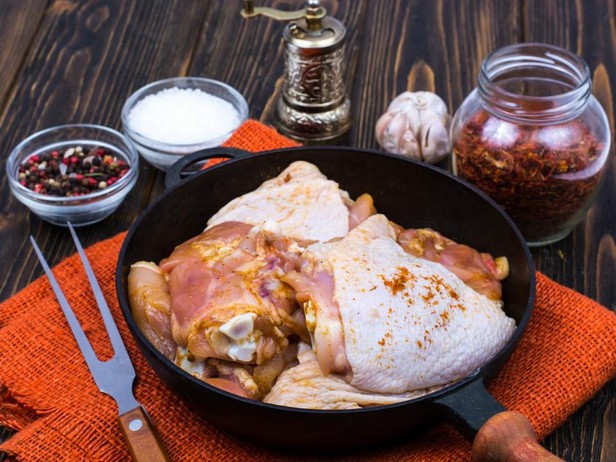
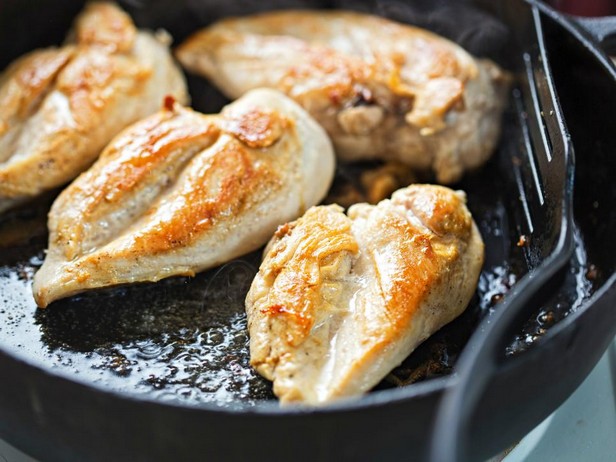
Why it's bad: When the pieces are too close together, almost overlapping, they're harder to move around the pan and won't cook evenly. Each piece needs space, otherwise the chicken will simmer in its own juices rather than fry. If you want a crispy crust, avoid crowding the pan as well: this requires even heat, high enough to render the fat and caramelize the juices.
Next time: Be sure to pat the chicken dry, especially if cooking with the skin on. (Some cooks freeze the chicken with the skin on for a few hours, uncovered, to dry it out—this ensures a very crispy crust.) Use a skillet large enough so that the pieces don't touch each other. Add enough oil to coat the pan and heat over medium heat until shimmering. Season the chicken on all sides with salt and pepper and cook undisturbed. When the pieces are evenly browned on one side, flip and repeat.
Mistake: Frying chicken in expensive olive oil
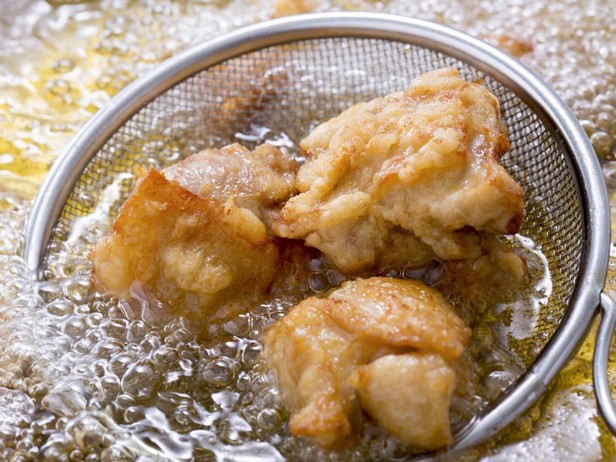
Why it's bad: Frying chicken requires a lot of oil, and using extra-virgin oil is a waste of money. Furthermore, expensive cold-pressed oil can smoke and burn when heated too high, leaving a bitter taste.
Next time: Use vegetable or refined olive oil. It's much cheaper and the chicken will turn out delicious. Watch the temperature: if you overcook it, the crust will darken before the meat is cooked through. The ideal temperature is around 325°F (162°C). For the same reason, it's better to fry smaller chickens rather than larger ones, which are usually stuffed and baked. A chicken weighing 3-3 pounds (1.4-1.6 kg), cut into pieces, is ideal. If you fry at the right temperature and there's enough space in the pan, the crust will turn golden brown while the meat is juicy and cooked through.
Mistake: Chicken breasts are cooked at too high a temperature
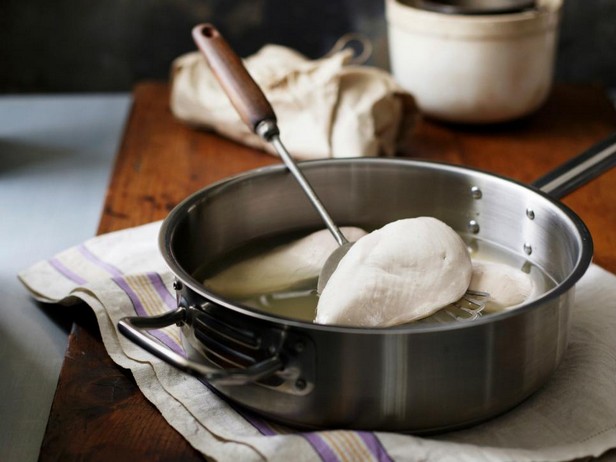
Why it's bad: Cooking chicken in boiling water can make the meat tough. You'll then have to cook it longer than necessary to tenderize it, and in the process, the meat will lose its juices and become dry.
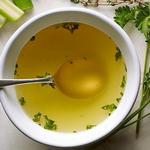
Next time: Simmer the chicken over low heat. Don't let the liquid come to a boil; partially cover the pan to monitor the progress and maintain optimal heat. The liquid should just cover the meat, with a slight ripple on the surface, not bubbles. (Ideally, a digital thermometer reads 180°F (82°C).) For added flavor, season the poaching liquid with aromatic vegetables, such as chopped carrots, celery, onion, a crushed garlic clove, and some herbs and spices, such as thyme and peppercorns. Cook just until the meat is no longer pink in the center.
Mistake: Cutting chicken immediately after baking
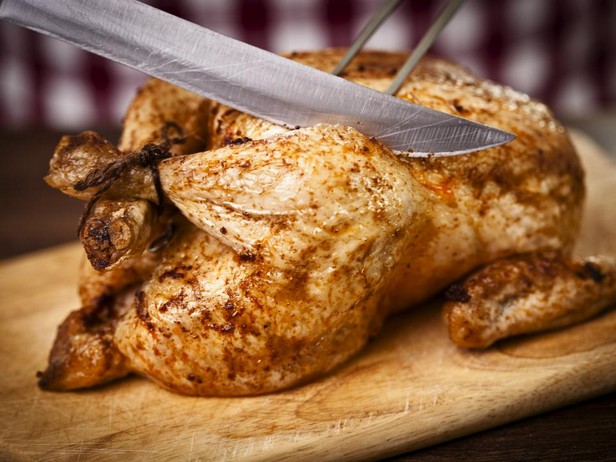
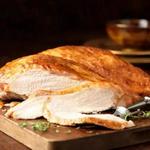
Why it's bad: When chicken cooks, juices from the center rise to the skin. They need time to redistribute and re-enter the meat, otherwise they'll pool on the cutting board, leaving the meat dry.
Next time: Transfer the chicken to a board, cover loosely with foil to retain heat, and let rest for 15 minutes before carving. Use this time to finish preparing the vegetables or make a delicious gravy to accompany the meat.
Mistake: Reheating baked chicken more than once
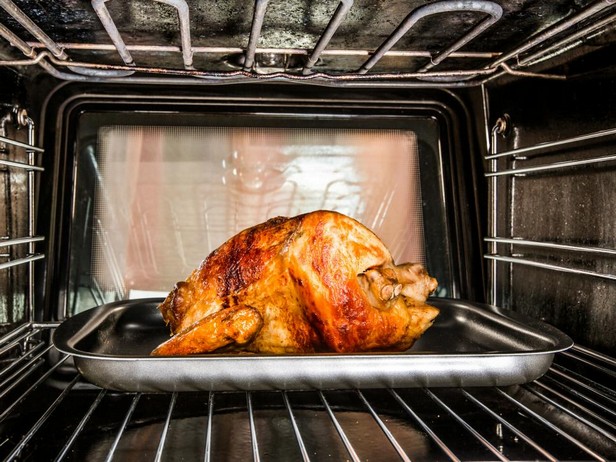
Why it's bad: Every time you reheat cooked chicken, you dry it out even more. Eventually, the meat will become loose and stringy. Not to mention the flavor, which can become unpleasant due to repeated reheating.
Next time: Reheat only the portion you plan to eat. For best results, wrap the whole piece tightly in foil, then reheat in the oven at 350°F (180°C) until the internal temperature reaches 165°F (73°C). If using a microwave, cut the chicken into equal-sized pieces, place in a microwave-safe bowl, cover with a damp paper towel, and cook in 1-minute intervals, turning between each batch to ensure even heating.
Mistake: Stir-frying chicken with vegetables
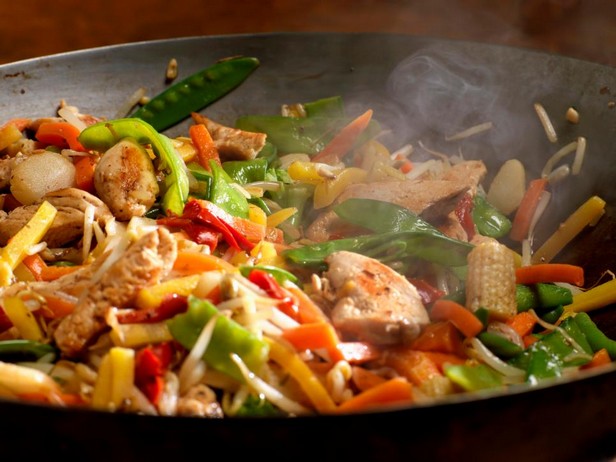
Why it's bad: Cold chicken lowers the temperature in the pan, causing the juices to coat the vegetables, causing the ingredients to simmer instead of fry. The result is a mess: tough chicken and mushy, bland-tasting vegetables.
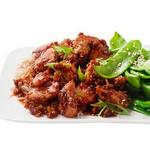
Next time: First, stir-fry the chicken until cooked through (adding seasonings like ginger, green onions, garlic, and soy sauce at the very end to prevent burning). Then remove and set aside. Heat the wok or pan again to high heat and continue with the vegetables and sauce. Just before serving, add the chicken to the pan and stir to heat through.
Recipes with similar ingredients: chicken, chicken breasts, chicken thighs, grilled chicken, chicken wings, chicken drumsticks, chicken legs, chicken cutlets, chicken nuggets, smoked chicken
Categories:
Similar recipes