How to taste beer
Beer tasting is a fascinating process! This article will tell you what to look for during the process.
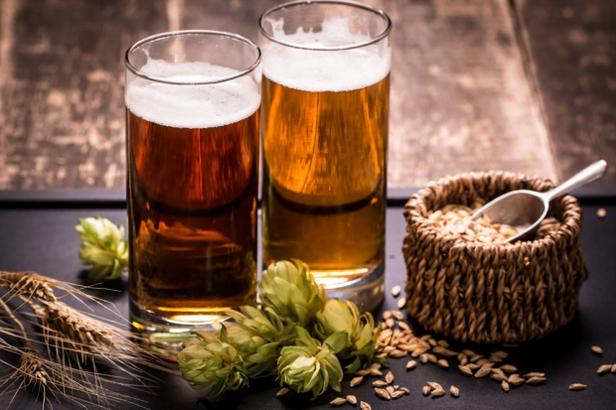
Tasting beer This can be very helpful. Serious tasters take notes at every stage to better understand the drink and compare it to others. They pay attention to the following points.
1. Bottling
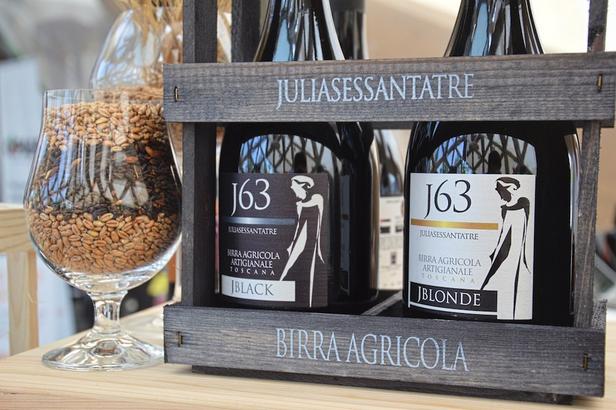
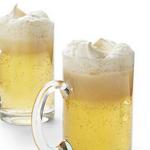
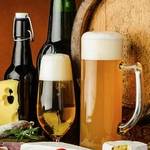
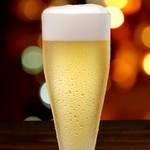
If you're pouring your own beer, pour it slowly down the side of the glass. Don't rush, as foam will form as you pour. The foam should be about two fingers' width from the top of the glass.
Some beers leave a yeast sediment at the bottom of the bottle. This sediment should be drunk, so before pouring, the bottle should be swirled.
2. Appearance of the drink
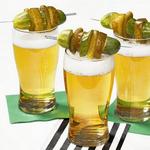
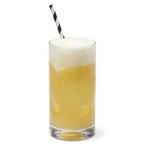
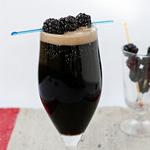
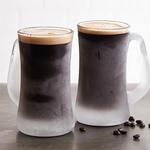
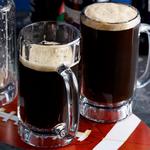
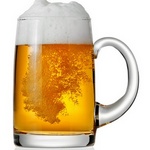
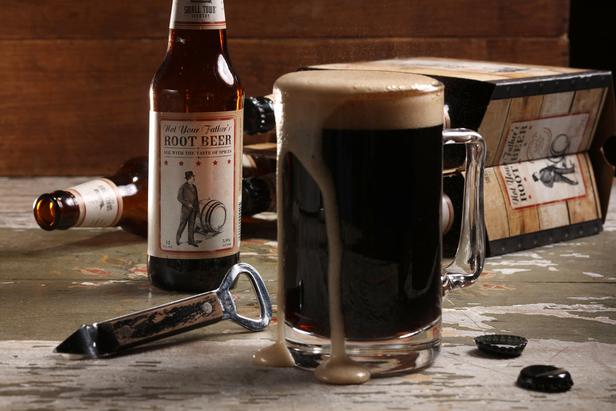
Pay attention to whether the foam is thick or thin. Its color can vary from pure white to light brown.
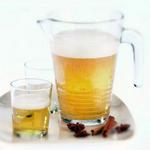
Examine the beer's appearance. Hold it up to the light and see if it's clear or cloudy.
3. Aroma
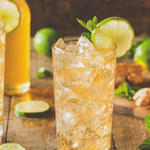
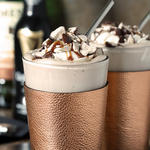
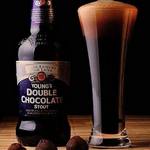
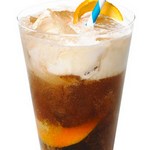
Smell the beer. Lighter beers are usually more aromatic than darker ones. You might detect aromas of roasted grain, chocolate, or coffee. Some types may also emit a spicy or fruity aroma. Ginger beer. Root beer. Chocolate beer.
Before your first sip, sniff the aroma three times. Don't rush. Inhale slowly, trying to capture as many nuances of the aroma as possible.
4. The first sip
When you take your first sip, don't rush to gulp down the beer. Hold it in your mouth and notice how it initially feels. Consider whether it's sweet, bitter, or neutral. The flavor of some types can be very complex. The difference in taste between the first and last sip can be dramatic.
5. Texture
The texture of a beer is how it physically feels in your mouth. It can be silky dry, viscous, watery, or sparkling. Texture is a very important characteristic of beer.
6. Aftertaste
After you swallow the drink, wait for the aftertaste to appear. In some cases, it may have hints of bitter hops, and in some cases, sweet malt.
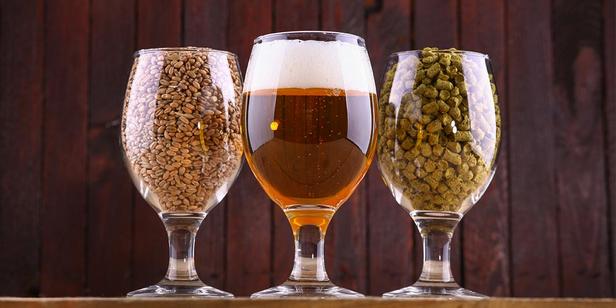
Before moving on to the next sip, write down all your observations. On your second sip, check your notes and make adjustments if your sensations after the second sip are different.
– Don't sample new beer with food or after a meal. You won't experience the drink's true flavor.
– Cheese and crackers are ideal snacks for beer, but they will also significantly affect its taste, so you should not eat them while tasting.
– Before you start tasting beer, rinse your mouth with clean water.
– If you have several types of beer to taste, focus on color – try from light to dark.
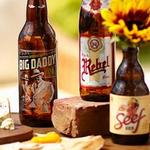
Read the article in more detail Beer and food pairing.
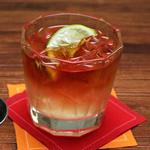
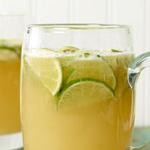
We suggest you cook cocktails with beer.
1. Bottling
If you're pouring your own beer, pour it slowly down the side of the glass. Don't rush, as foam will form as you pour. The foam should be about two fingers' width from the top of the glass.
Some beers leave a yeast sediment at the bottom of the bottle. This sediment should be drunk, so before pouring, the bottle should be swirled.
2. Appearance of the drink
Pay attention to whether the foam is thick or thin. Its color can vary from pure white to light brown.
Examine the beer's appearance. Hold it up to the light and see if it's clear or cloudy.
3. Aroma
Smell the beer. Lighter beers are usually more aromatic than darker ones. You might detect aromas of roasted grain, chocolate, or coffee. Some types may also emit a spicy or fruity aroma. Ginger beer. Root beer. Chocolate beer.
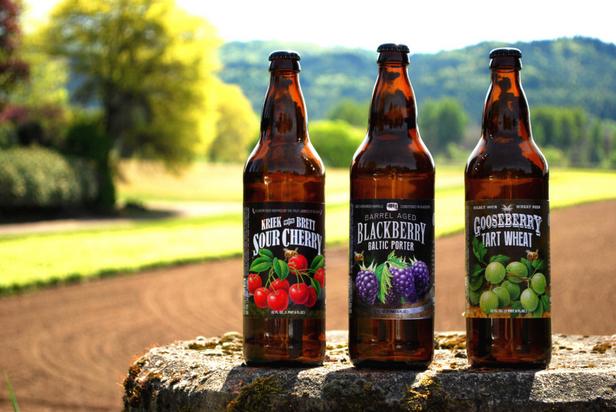
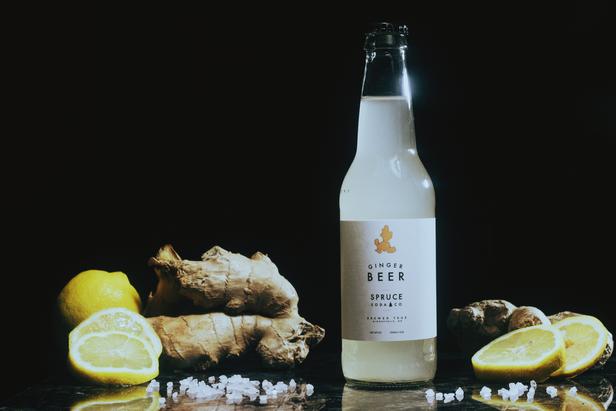
Before your first sip, sniff the aroma three times. Don't rush. Inhale slowly, trying to capture as many nuances of the aroma as possible.
4. The first sip
When you take your first sip, don't rush to gulp down the beer. Hold it in your mouth and notice how it initially feels. Consider whether it's sweet, bitter, or neutral. The flavor of some types can be very complex. The difference in taste between the first and last sip can be dramatic.
5. Texture
The texture of a beer is how it physically feels in your mouth. It can be silky dry, viscous, watery, or sparkling. Texture is a very important characteristic of beer.
6. Aftertaste
After you swallow the drink, wait for the aftertaste to appear. In some cases, it may have hints of bitter hops, and in some cases, sweet malt.
Before moving on to the next sip, write down all your observations. On your second sip, check your notes and make adjustments if your sensations after the second sip are different.
Adviсe:
– Don't sample new beer with food or after a meal. You won't experience the drink's true flavor.
– Cheese and crackers are ideal snacks for beer, but they will also significantly affect its taste, so you should not eat them while tasting.
– Before you start tasting beer, rinse your mouth with clean water.
– If you have several types of beer to taste, focus on color – try from light to dark.
Read the article in more detail Beer and food pairing.
We suggest you cook cocktails with beer.
Author of the article: Natalia Semenova "TopCook"
Votes: 1
Categories:
Related articles