Barbecue season is open, or how to eat deliciously without harming your health
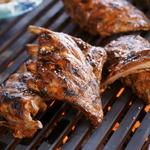
The arrival of warm spring days marks the start of barbecue season. Here are a few tips to make your grilled dishes healthier and tastier.

The arrival of warm spring days marks the start of barbecue season. Here are a few tips to make your grilled dishes healthier and tastier.
Almost all types of meat, fish, fruits, and vegetables are suitable for grilling, excluding canned and smoked foods. Grilling technique involves several important principles.
Time
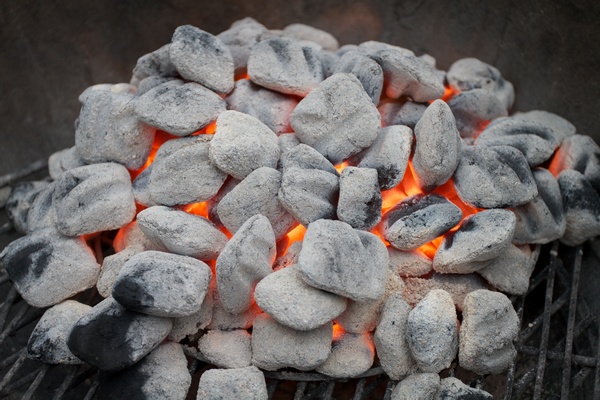
The best time to place food on the grill is when the coals are hot.
Trays
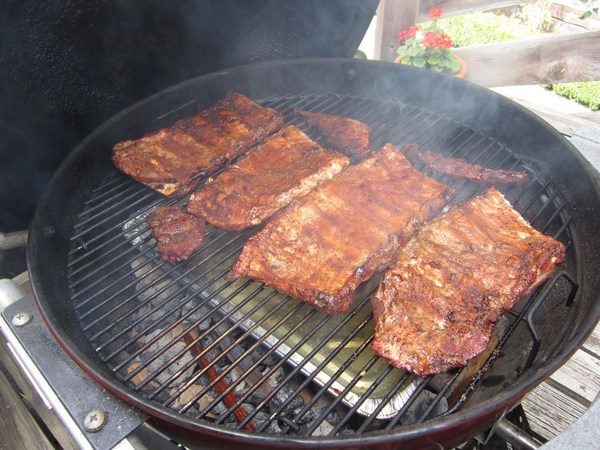
It is worth using perforated aluminum trays, which prevent fat from dripping onto the coals and, therefore, when it burns, toxic smoke containing benzopyrene, which is a strong carcinogen and mutagen, is not released.
If you eat meat, there must be salad.
Grilled foods contain numerous free radicals, which are harmful to health. A simple and valuable counterattack against them is to prepare a variety of salads, which are rich in vitamin C, and to include vegetables such as peppers, zucchini, onions, mushrooms, and tomatoes.
How to avoid over-burning?
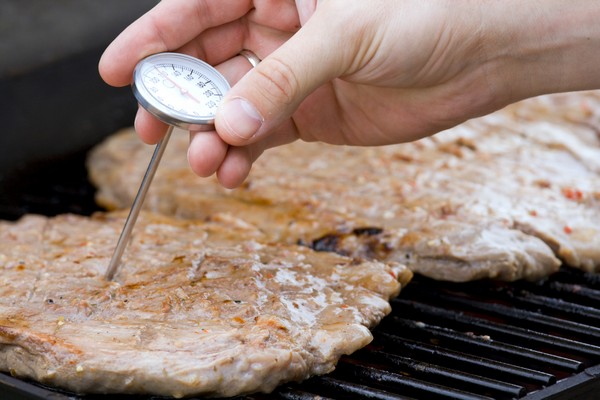
The easiest way is to use a food thermometer. Two minutes before removing the trays, for example, from a roast pork neck, the meat temperature should be at least 70°C. To avoid drying out the dish, avoid slicing the meat too thickly. It's best to wrap fish in aluminum foil.
Marinades
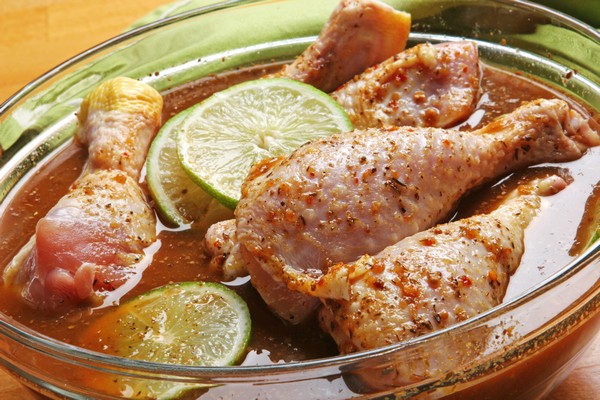
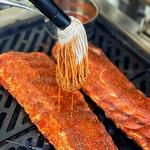
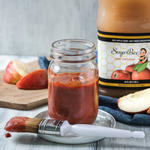
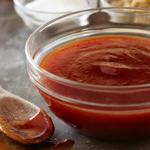
The flavor and quality of a dish depend on the marinade ingredients. The main ingredients for a marinade are soy sauce or balsamic vinegar, olive oil, often lemon juice, wine, and even cherry liqueur. However, a marinade must also include spices, and the choice is vast: salt, garlic, cumin, ginger, allspice, black and colored pepper, bay leaf, rosemary, tarragon, fenugreek, oregano, and so on. Only natural, organic spices should be used for marinating, preferably freshly ground, mixed with vegetable oil, and avoid artificial breadings and sauces. The end result will be tender meat with a natural flavor and enticing aroma.
Or maybe vegetables?
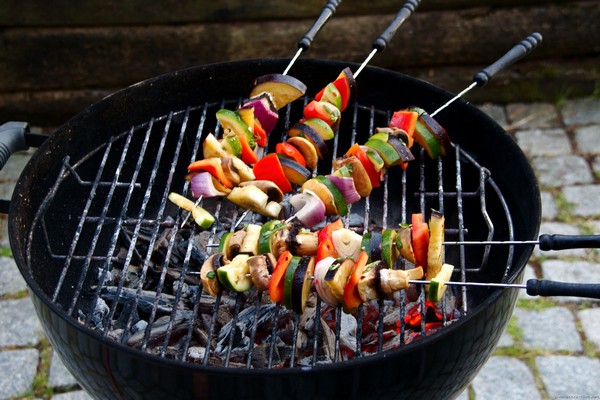
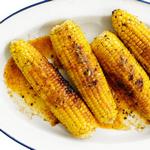
Moving from the kitchen to the terrace or yard is recommended, but there are a few caveats. If you're considering a meat-based version of the dish, choose lower-fat options, preferably paired with vegetables, especially salads. For example, 100g of pork contains 300 kcal, while 100g of chicken breast contains only 100 kcal. Nutritionists recommend whole-grain bread instead of white bread. However, some will surely opt for a vegetable grill. Eggplant, zucchini, squash, tomatoes, corn, bell peppers, and carrots are all excellent choices for barbecues. Marinate them for 2-3 hours without salt. You can test the doneness of the vegetables by piercing them with a fork; it should slide in without resistance. And, of course, grilling baked goods—for example, bread brushed with vegetable oil and lightly sprinkled with garlic—is very quick and easy.
Almost all types of meat, fish, fruits, and vegetables are suitable for grilling, excluding canned and smoked foods. Grilling technique involves several important principles.
Time
The best time to place food on the grill is when the coals are hot.
Trays
It is worth using perforated aluminum trays, which prevent fat from dripping onto the coals and, therefore, when it burns, toxic smoke containing benzopyrene, which is a strong carcinogen and mutagen, is not released.
If you eat meat, there must be salad.
Grilled foods contain numerous free radicals, which are harmful to health. A simple and valuable counterattack against them is to prepare a variety of salads, which are rich in vitamin C, and to include vegetables such as peppers, zucchini, onions, mushrooms, and tomatoes.
How to avoid over-burning?
The easiest way is to use a food thermometer. Two minutes before removing the trays, for example, from a roast pork neck, the meat temperature should be at least 70°C. To avoid drying out the dish, avoid slicing the meat too thickly. It's best to wrap fish in aluminum foil.
Marinades
The flavor and quality of a dish depend on the marinade ingredients. The main ingredients for a marinade are soy sauce or balsamic vinegar, olive oil, often lemon juice, wine, and even cherry liqueur. However, a marinade must also include spices, and the choice is vast: salt, garlic, cumin, ginger, allspice, black and colored pepper, bay leaf, rosemary, tarragon, fenugreek, oregano, and so on. Only natural, organic spices should be used for marinating, preferably freshly ground, mixed with vegetable oil, and avoid artificial breadings and sauces. The end result will be tender meat with a natural flavor and enticing aroma.
Or maybe vegetables?
Moving from the kitchen to the terrace or yard is recommended, but there are a few caveats. If you're considering a meat-based version of the dish, choose lower-fat options, preferably paired with vegetables, especially salads. For example, 100g of pork contains 300 kcal, while 100g of chicken breast contains only 100 kcal. Nutritionists recommend whole-grain bread instead of white bread. However, some will surely opt for a vegetable grill. Eggplant, zucchini, squash, tomatoes, corn, bell peppers, and carrots are all excellent choices for barbecues. Marinate them for 2-3 hours without salt. You can test the doneness of the vegetables by piercing them with a fork; it should slide in without resistance. And, of course, grilling baked goods—for example, bread brushed with vegetable oil and lightly sprinkled with garlic—is very quick and easy.
Votes: 1
Categories:
Related articles