How to cook barbecue properly
A helpful and informative article on the nuances of barbecue cooking, in which you'll learn how to tenderize tough meat, why meat sometimes cooks poorly, the best fuel to use, and much more.
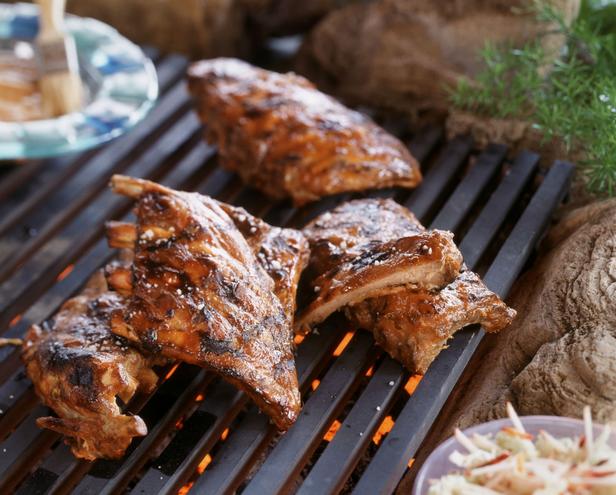
The words "grill" and "barbecue" are relatively new to the Russian language, so many often confuse them, or even think they're the same thing. However, these words refer to completely different food preparation processes.
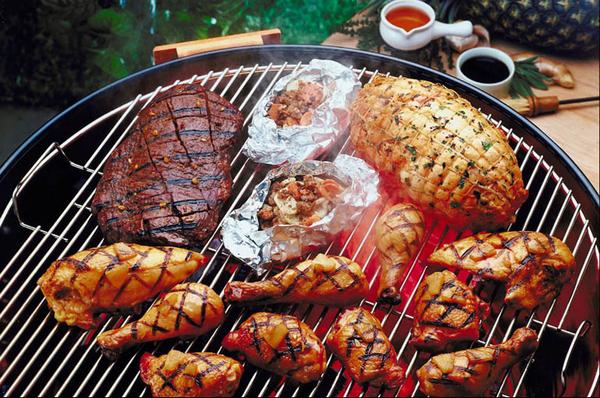
"Grill" – is the rapid cooking of food over very high direct heat in the complete absence of smoke.
"B-B-Q" – is a slow cooking method over indirect heat using certain types of wood to create a flavorful smoke.
In this article, we'll explore charcoal barbecue techniques and explain how to keep food tender and juicy, how to create flavorful smoke, and much more.
How to make tough meat tender during barbecue?
Cuts of meat from muscular parts of animals are tougher than those with more fat. The toughness of the meat comes from the transparent protein, which helps maintain muscle strength and connective tissue.
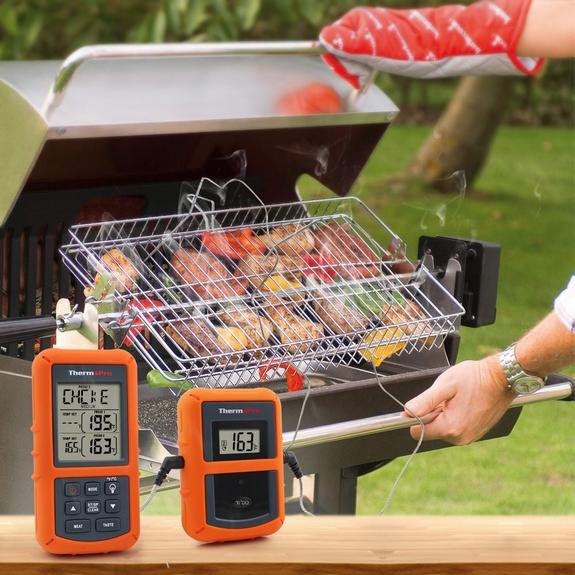
During slow cooking, enzymes in the meat are activated and begin to break down tough connective tissue, making the meat more tender. This process continues until the temperature of the heated meat reaches 50°C. culinary thermometerAfter this, the enzymes are deactivated.
At a temperature of about 60°C, the connective tissue begins to shrink, and moisture begins to be released from the muscle fibers, but since the enzymes have already partially broken down the connective tissue, not much liquid is released, so the meat remains juicy, but not too moist.
At higher temperatures, collagen—a component of broken down connective tissue—begins to bind with the water contained in the meat, converting it into gelatin. This continues until the temperature of the muscle fibers reaches 90°C. At this point, the muscle fibers will easily separate from each other. They will be coated in fat and gelatin, becoming tender, juicy, and flavorful.
Read article about Steak and degree of doneness.
Why does meat sometimes suddenly stop cooking?
When the internal temperature of meat reaches 65-75°C, it can cook for hours without being seared. This happens when meat is not properly defrosted before cooking. The water in the meat rushes to the surface, where it begins to evaporate and cool the surface. This effect can be observed when you sweat in the summer—the sweat that forms on the surface of your skin cools your body.
The surface of the meat will continue to cool until it is completely free of moisture and begins to dry out, forming a crust. At this point, the internal temperature of the meat will begin to rise, and the meat will begin to cook.
What is the best fuel for barbecue?
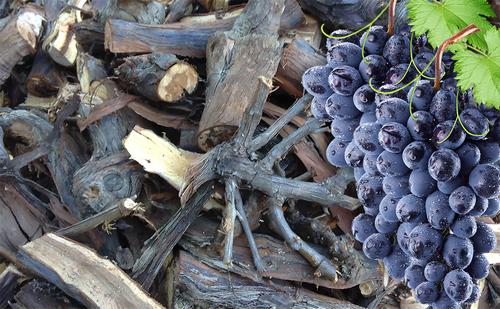
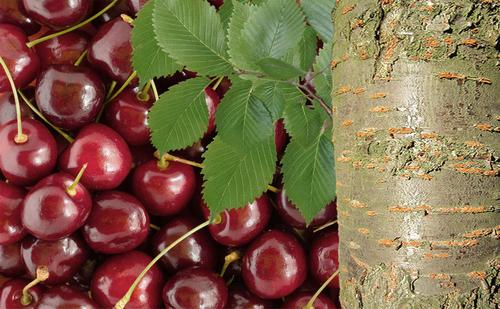
Hardwoods are best for barbecues, as they produce a rich, aromatic smoke. These include alder, apple, cherry, maple, and oak. If you live where walnut grows, walnut is also suitable—its wood produces a very flavorful smoke.
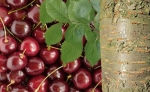
Avoid using soft, resinous coniferous woods, such as pine, on your barbecue. Their flavor is completely incompatible with meat, overpowering it.
In addition to wood, charcoal can be used. Charcoal is also wood that has been burned in the absence of oxygen. This process is called pyrolysis. During this process, most of the organic matter of the wood is removed, leaving only the carbon, known as char.
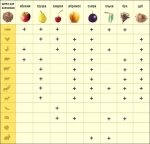
Compatibility chart of products and wood chips for smoking.
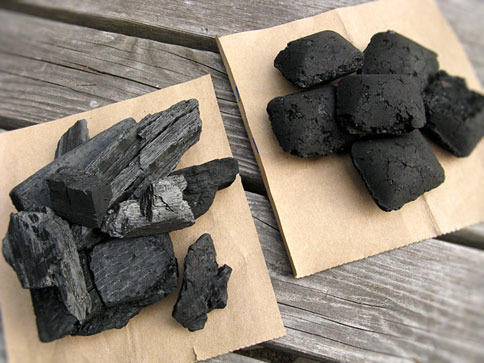
When pyrolyzed hardwood breaks into small pieces, lump charcoal is formed. This lightweight form of charcoal burns well and quickly, so it's not suitable for barbecues, which are a lengthy process. On the other hand, charcoal briquettes are made with pressed sawdust, various mineral additives, and limestone.
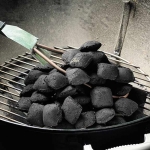
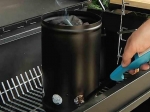
All these components prevent the charcoal from burning too quickly. If you need a steady fire for at least 45 minutes, briquetted charcoal is better than pure charcoal.
How to cook food on a barbecue?
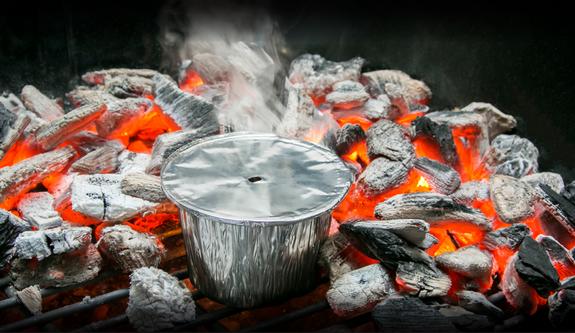
Wood is made up of three main components: cellulose, hemicellulose, and wood pulp, or lin.
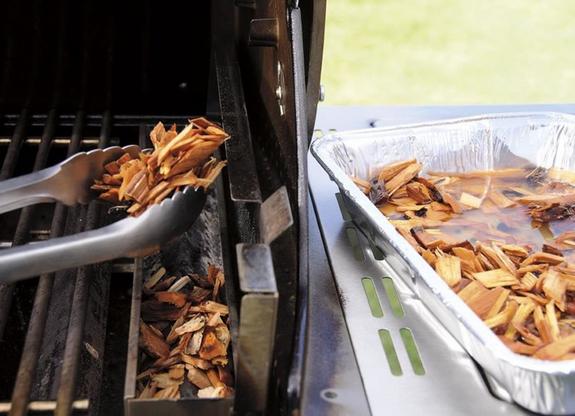
As the wood burns, the cellulose and hemicelluloses become almost caramelized, producing a sweet, fruity, or floral aroma. The linin is converted into smoky compounds with a pungent aroma of clove and vanilla. This aromatic smoke mixes with the water on the surface of the roasted food, giving it its distinctive flavor and aroma.
BBQ Recipes:
All grill and barbecue recipes
And now the answers to the most frequently asked questions:
Question 1: Why does my BBQ recipe say to soak the wood chips?
Answer: Many people believe that wet wood chips produce more smoke than dry ones. But this isn't true. Wet wood chips produce just as much smoke as dry ones. The smoke just lasts longer. When wet wood chips begin to dry and ignite, any remaining water on the surface begins to turn to steam. Large clouds of smoke appear, but they don't add any flavor to the dish. The aroma will only develop when the water in the wood is completely gone and the wood chips begin to burn.
Question 2: Why do some recipes call for placing a pan of water in the bottom of the roasting pan?
Answer: This is necessary for the formation of steam. What is steam used for?
Steam softens tough meat. The collagen found in the connective tissue of meat requires water to dissolve and convert into gelatin.
Steam helps the flavor "stick" to the food better. If there's a lot of steam, the moisture settles on the meat, helping to cool its surface. If aromatic smoke is present at the same time, its particles will migrate from the hot air to the cooling surface of the meat. If the meat is seared with a lot of moisture, its surface is constantly cooled and is able to absorb more smoky flavors.
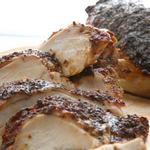
Steam helps create deeper smoke rings. When you cut into barbecued meat, you'll see a bright pink stripe just beneath the crust. This is a smoke ring. It's formed when smoke breaks down into microscopic particles formed by the combustion of gases, which include carbon monoxide and nitric oxide. When these gases dissolve in the water on the surface of the cooking meat, they prevent myoglobin—the red pigment—from turning gray, which often happens when meat cooks. However, the gases can't penetrate deep into the meat's surface because it dries out, forming a crust. Therefore, the red color remains only beneath the crust.
Adding moisture with a pot of water helps the smoke penetrate deeper into the meat's surface and infuse it with its flavors. This allows the smoke to fall directly onto the meat rather than escaping into the air.
Read the article "Barbecue season is open, or how to eat deliciously without harming your health"
Question 3. When should meat be salted to keep it flavorful?
Answer: Meat should be salted before cooking. Salt breaks down and disrupts the protein chains, creating passages for water to enter. The wetter the meat, the more flavorful substances it will absorb from the smoke.
How far in advance you need to salt the meat depends on the type of meat you're cooking. Spare ribs and chicken can be salted up to 2 hours before cooking. Other meats should be salted the day before. The tougher the meat, the longer it will need to salt.
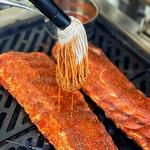
Question 4. When can barbecued meat be basted with sauce?
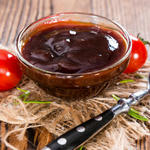
Answer: Barbecue sauces typically contain sugar, so the sugar will burn if poured onto the meat during or immediately after cooking. Some barbecue enthusiasts prefer to use the sauce only at the table, after the food has cooled slightly.
If you want to apply sauce while the meat is on the grill, use a pan of water to create steam, or pour bottled water or beer over the meat beforehand. This will prevent it from burning and will infuse it with a smoky flavor.
BBQ sauce recipes by US state:
All recipes for sauces and glazes for roasting meat and vegetables
"Grill" – is the rapid cooking of food over very high direct heat in the complete absence of smoke.
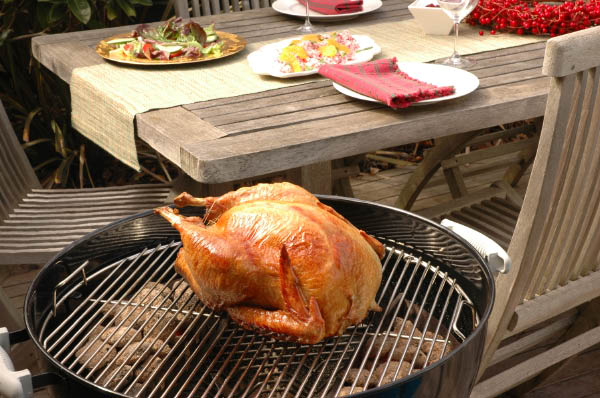
"B-B-Q" – is a slow cooking method over indirect heat using certain types of wood to create a flavorful smoke.
In this article, we'll explore charcoal barbecue techniques and explain how to keep food tender and juicy, how to create flavorful smoke, and much more.
How to make tough meat tender during barbecue?
Cuts of meat from muscular parts of animals are tougher than those with more fat. The toughness of the meat comes from the transparent protein, which helps maintain muscle strength and connective tissue.
During slow cooking, enzymes in the meat are activated and begin to break down tough connective tissue, making the meat more tender. This process continues until the temperature of the heated meat reaches 50°C. culinary thermometerAfter this, the enzymes are deactivated.
At a temperature of about 60°C, the connective tissue begins to shrink, and moisture begins to be released from the muscle fibers, but since the enzymes have already partially broken down the connective tissue, not much liquid is released, so the meat remains juicy, but not too moist.
At higher temperatures, collagen—a component of broken down connective tissue—begins to bind with the water contained in the meat, converting it into gelatin. This continues until the temperature of the muscle fibers reaches 90°C. At this point, the muscle fibers will easily separate from each other. They will be coated in fat and gelatin, becoming tender, juicy, and flavorful.
Read article about Steak and degree of doneness.
Why does meat sometimes suddenly stop cooking?
When the internal temperature of meat reaches 65-75°C, it can cook for hours without being seared. This happens when meat is not properly defrosted before cooking. The water in the meat rushes to the surface, where it begins to evaporate and cool the surface. This effect can be observed when you sweat in the summer—the sweat that forms on the surface of your skin cools your body.
The surface of the meat will continue to cool until it is completely free of moisture and begins to dry out, forming a crust. At this point, the internal temperature of the meat will begin to rise, and the meat will begin to cook.
What is the best fuel for barbecue?
Hardwoods are best for barbecues, as they produce a rich, aromatic smoke. These include alder, apple, cherry, maple, and oak. If you live where walnut grows, walnut is also suitable—its wood produces a very flavorful smoke.
Avoid using soft, resinous coniferous woods, such as pine, on your barbecue. Their flavor is completely incompatible with meat, overpowering it.
In addition to wood, charcoal can be used. Charcoal is also wood that has been burned in the absence of oxygen. This process is called pyrolysis. During this process, most of the organic matter of the wood is removed, leaving only the carbon, known as char.
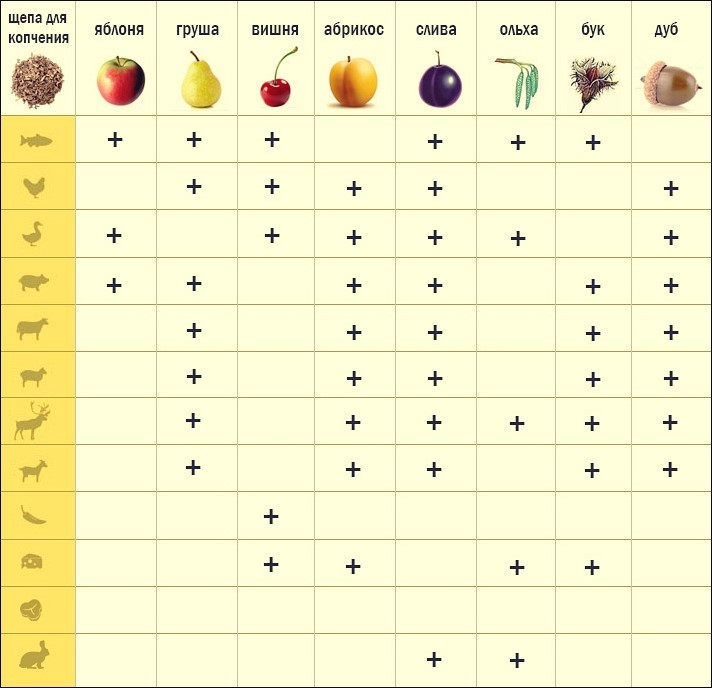
Compatibility chart of products and wood chips for smoking.
When pyrolyzed hardwood breaks into small pieces, lump charcoal is formed. This lightweight form of charcoal burns well and quickly, so it's not suitable for barbecues, which are a lengthy process. On the other hand, charcoal briquettes are made with pressed sawdust, various mineral additives, and limestone.
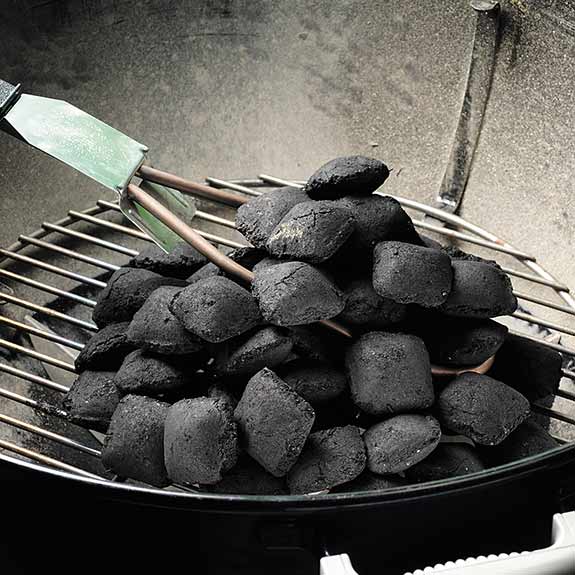
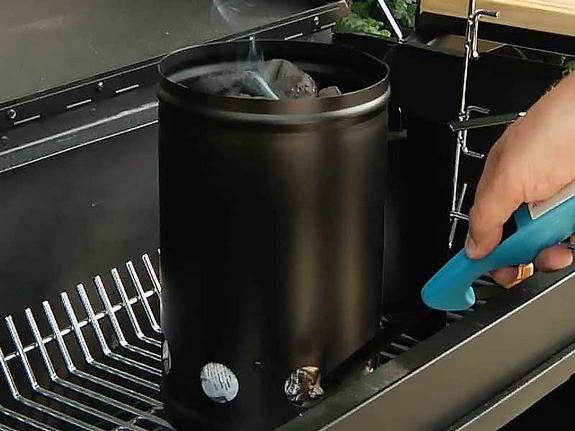
All these components prevent the charcoal from burning too quickly. If you need a steady fire for at least 45 minutes, briquetted charcoal is better than pure charcoal.
How to cook food on a barbecue?
Wood is made up of three main components: cellulose, hemicellulose, and wood pulp, or lin.
As the wood burns, the cellulose and hemicelluloses become almost caramelized, producing a sweet, fruity, or floral aroma. The linin is converted into smoky compounds with a pungent aroma of clove and vanilla. This aromatic smoke mixes with the water on the surface of the roasted food, giving it its distinctive flavor and aroma.
BBQ Recipes:
- BBQ pork ribs
- Southern-Style Beef Brisket BBQ
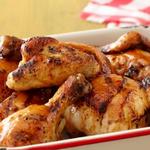
- Thai BBQ Chicken
- Greek BBQ Squid
- Jamaican Jerk Chicken with BBQ Sauce
- BBQ beef flank steak with balsamic reduction and cheese toasts
- Hawaiian BBQ Pork
All grill and barbecue recipes
And now the answers to the most frequently asked questions:
Question 1: Why does my BBQ recipe say to soak the wood chips?
Answer: Many people believe that wet wood chips produce more smoke than dry ones. But this isn't true. Wet wood chips produce just as much smoke as dry ones. The smoke just lasts longer. When wet wood chips begin to dry and ignite, any remaining water on the surface begins to turn to steam. Large clouds of smoke appear, but they don't add any flavor to the dish. The aroma will only develop when the water in the wood is completely gone and the wood chips begin to burn.
Question 2: Why do some recipes call for placing a pan of water in the bottom of the roasting pan?
Answer: This is necessary for the formation of steam. What is steam used for?
Steam softens tough meat. The collagen found in the connective tissue of meat requires water to dissolve and convert into gelatin.
Steam helps the flavor "stick" to the food better. If there's a lot of steam, the moisture settles on the meat, helping to cool its surface. If aromatic smoke is present at the same time, its particles will migrate from the hot air to the cooling surface of the meat. If the meat is seared with a lot of moisture, its surface is constantly cooled and is able to absorb more smoky flavors.
Steam helps create deeper smoke rings. When you cut into barbecued meat, you'll see a bright pink stripe just beneath the crust. This is a smoke ring. It's formed when smoke breaks down into microscopic particles formed by the combustion of gases, which include carbon monoxide and nitric oxide. When these gases dissolve in the water on the surface of the cooking meat, they prevent myoglobin—the red pigment—from turning gray, which often happens when meat cooks. However, the gases can't penetrate deep into the meat's surface because it dries out, forming a crust. Therefore, the red color remains only beneath the crust.
Adding moisture with a pot of water helps the smoke penetrate deeper into the meat's surface and infuse it with its flavors. This allows the smoke to fall directly onto the meat rather than escaping into the air.
Read the article "Barbecue season is open, or how to eat deliciously without harming your health"
Question 3. When should meat be salted to keep it flavorful?
Answer: Meat should be salted before cooking. Salt breaks down and disrupts the protein chains, creating passages for water to enter. The wetter the meat, the more flavorful substances it will absorb from the smoke.
How far in advance you need to salt the meat depends on the type of meat you're cooking. Spare ribs and chicken can be salted up to 2 hours before cooking. Other meats should be salted the day before. The tougher the meat, the longer it will need to salt.
Question 4. When can barbecued meat be basted with sauce?
Answer: Barbecue sauces typically contain sugar, so the sugar will burn if poured onto the meat during or immediately after cooking. Some barbecue enthusiasts prefer to use the sauce only at the table, after the food has cooled slightly.
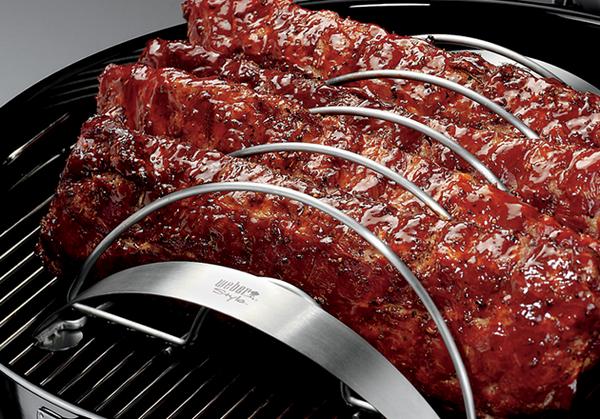
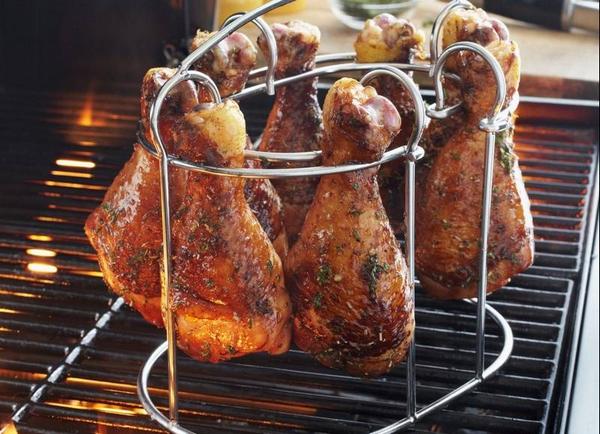
If you want to apply sauce while the meat is on the grill, use a pan of water to create steam, or pour bottled water or beer over the meat beforehand. This will prevent it from burning and will infuse it with a smoky flavor.
BBQ sauce recipes by US state:
- Kansas City-Style BBQ Sauce
- North Carolina Style Sauce
- Memphis-Style BBQ Sauce
- Texas BBQ Sauce
- Kentucky-Style BBQ Sauce
All recipes for sauces and glazes for roasting meat and vegetables
Author of the article: Natalia Semenova "TopCook"
Votes: 1
Categories:
Related articles