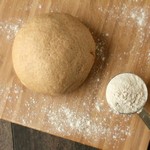
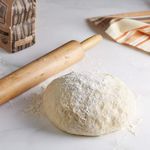
Gluten-free pizza crust
Votes: 3

Time:
Complexity: easily
Servings: 8
Complexity: easily
Servings: 8
Nutritional value per serving:
Calories 176, total fat 5 G., saturated fats 1 G., proteins 5 G., carbohydrates 30 G., fiber 5 G., cholesterol 23 mg, sodium 250 mg, sugar 1 G.
Calories 176, total fat 5 G., saturated fats 1 G., proteins 5 G., carbohydrates 30 G., fiber 5 G., cholesterol 23 mg, sodium 250 mg, sugar 1 G.
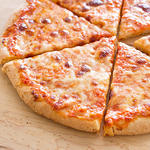
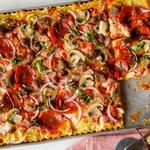
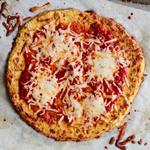
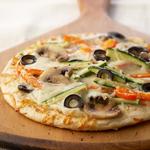
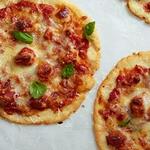
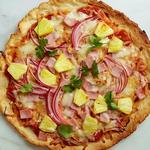
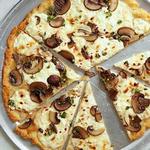
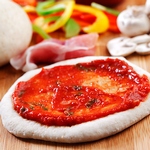
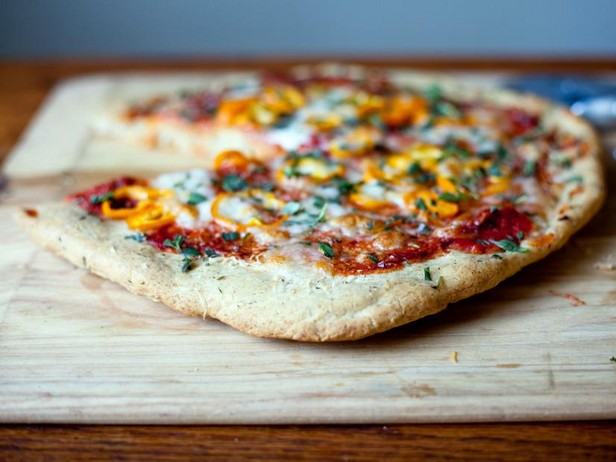
If you've gone gluten-free and often miss the taste of real pizza, this recipe will help. You can make delicious pizza even with a gluten-free crust. The dough is made with a mixture of millet flour, glutinous rice flour, potato starch, and psyllium husk. Dry yeast helps it rise slightly, giving the finished pizza crust a texture and flavor similar to traditional pizza. A pizza stone is recommended for baking to ensure a crispy crust, but if you don't have one, use an upside-down baking sheet instead. Add your favorite toppings and fillings to the pizza crust and enjoy a truly authentic pizza.
The recipes use measuring containers with the following volumes:
1 glass (st.) - 250 ml.
3/4 cup (st.) - 180 ml.
2/3 cup (st.) - 160 ml.
1/2 cup (st.) - 125 ml.
1/3 cup (st.) - 80 ml.
1/4 cup (st.) - 60 ml.
1 tablespoon (tbsp) - 15 ml.
1 teaspoon (tsp) - 5 ml.
1/5 teaspoon (tsp) - 1 ml.
1 glass (st.) - 250 ml.
3/4 cup (st.) - 180 ml.
2/3 cup (st.) - 160 ml.
1/2 cup (st.) - 125 ml.
1/3 cup (st.) - 80 ml.
1/4 cup (st.) - 60 ml.
1 tablespoon (tbsp) - 15 ml.
1 teaspoon (tsp) - 5 ml.
1/5 teaspoon (tsp) - 1 ml.
Ingredients for the recipe:
- 1 tsp psyllium (see note)
- 2 and 1/4 teaspoons active dry yeast
- 1 teaspoon coarse salt
- 2 tbsp olive oil + extra for sprinkling
- 1 large egg, room temperature
- 3/4 cup warm water
All-purpose gluten-free flour mix
- 400 g of millet flour
- 300 g sweet (glutinous) rice flour
- 300 g potato starch
We recommend







Recipes with similar ingredients: psyllium husk, yeast, eggs, millet flour, rice flour, starch
Cooking the dish according to the recipe:
Mix dry ingredients:
Combine the flour mixture, yeast, psyllium husk, and salt in a bowl. Pour everything into the bowl of a stand mixer.Knead the dough:
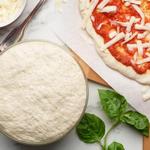
With the mixer running at low speed, add the olive oil to the dry mixture, then the egg. Slowly pour in the water. Here's the important part: gluten-free pizza dough won't look the same as dough made with wheat flour. It will be much more runny, even a bit like pancake batter. When you pour in the water, make sure the dough gathers around the spatula. However, when you turn off the mixer, the dough should immediately fall to the bottom of the bowl.Let the dough rise:
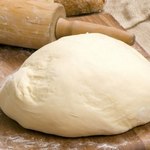
Place the pizza dough in a large, oiled bowl. Cover with plastic wrap and set in a warm place. Gluten-free dough doesn't rise as much as dough made with wheat flour. It should be fully hydrated and rise by about a third. Once the dough has risen slightly and has the texture of traditional dough, about 1.5 hours later, it's ready to bake.Pizza:
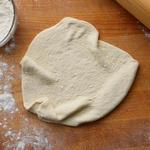
Preheat the oven to 260°C. If you have a pizza stone (which is highly recommended), place it in the oven now.- If you have a pizza peel, place a piece of parchment paper on it. If you don't have a pizza peel, place the parchment paper on a pizza pan or baking sheet. Place the dough on the parchment paper, then place another sheet of the same size on top. Using your hands or a rolling pin, slowly and evenly flatten the dough until it's about 12 inches in diameter. Remove the top sheet of parchment paper from the dough.
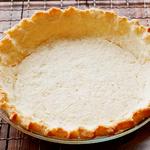
- Drizzle the dough with olive oil. Bake in the oven until the edges begin to darken and crisp and the top is slightly firm to the touch, 5-8 minutes.
- Remove the pizza base from the oven and top with any toppings you like.
All-Purpose Gluten-Free Flour Mix:
Pour all the flour into a large container. Large plastic containers are available in the restaurant supply section and are suitable for this purpose. A large glass jar will also work. Shake the container until all the flour is combined and uniform in color.Note
If you can't find or use psyllium, try 1 teaspoon of freshly ground chia seeds. However, psyllium is more effective than chia in this test.
If you want to make pizza dough and freeze it for later use, place it in a large freezer bag immediately after it has risen. The dough will keep well in the freezer for up to 3 months. Remove it from the freezer in the morning and it's ready to bake for dinner that same day.
Author of the recipe - Shauna James Ahern is a food writer, gluten-free recipe author, and professional baker.
Categories:
Similar recipes