Duck with figs and port wine
Votes: 1

Time: 6 o'clock
Complexity: easily
Servings: 4
Complexity: easily
Servings: 4
Nutritional value per serving:
Serving size: 1 of 26 servings
Calories 354, total fat 32 G., saturated fats 11 G., proteins 10 G., carbohydrates 5 G., fiber 1 G., cholesterol 60 mg, sodium 390 mg, sugar 3 G.
Serving size: 1 of 26 servings
Calories 354, total fat 32 G., saturated fats 11 G., proteins 10 G., carbohydrates 5 G., fiber 1 G., cholesterol 60 mg, sodium 390 mg, sugar 3 G.
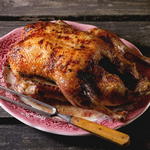
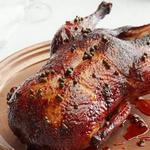
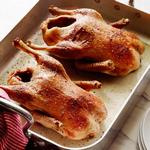
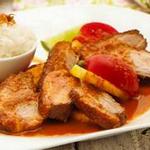
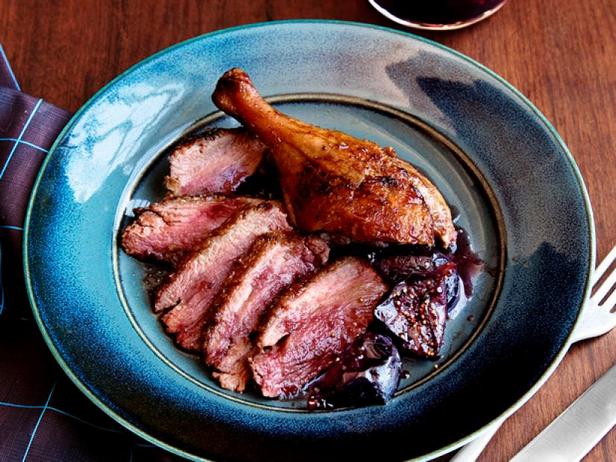
This spiced, fatty duck gains a pleasant sweetness from a port-fig sauce. Before cooking, the duck is marinated in a mixture of ginger, shallots, and coriander, then carved: the legs are baked in the oven, the breast is pan-fried, and the remaining parts and giblets are used to make a rich duck stock for the sauce. Tender poultry under perfectly crispy skin in a port-fig sauce is a superb dish for special occasions!
The recipes use measuring containers with the following volumes:
1 glass (st.) - 250 ml.
3/4 cup (st.) - 180 ml.
2/3 cup (st.) - 160 ml.
1/2 cup (st.) - 125 ml.
1/3 cup (st.) - 80 ml.
1/4 cup (st.) - 60 ml.
1 tablespoon (tbsp) - 15 ml.
1 teaspoon (tsp) - 5 ml.
1/5 teaspoon (tsp) - 1 ml.
1 glass (st.) - 250 ml.
3/4 cup (st.) - 180 ml.
2/3 cup (st.) - 160 ml.
1/2 cup (st.) - 125 ml.
1/3 cup (st.) - 80 ml.
1/4 cup (st.) - 60 ml.
1 tablespoon (tbsp) - 15 ml.
1 teaspoon (tsp) - 5 ml.
1/5 teaspoon (tsp) - 1 ml.
Ingredients for the recipe:
- 1 duck weighing 2.5 kg.
- 2 medium shallots
- 5 cm ginger root, peeled and thinly sliced
- 1.5 tsp crushed coriander seeds
- 3 tablespoons extra-virgin olive oil
- 4 cups lightly salted chicken broth
- 1 cup ruby port
- 1 bay leaf
- 6 dried figs, halved
- 2 tablespoons chilled unsalted butter, diced
- 1 teaspoon red wine vinegar
We recommend


Recipes with similar ingredients: duck, ginger root, wine vinegar, figs, bay leaf, coriander, port
Cooking the dish according to the recipe:
- Place the duck breast-side up on a cutting board. Remove and reserve all giblets except the liver. Carve the duck and score the breast.
- Puree the shallot, ginger, and coriander in a mini food processor. Season the duck legs and the meaty side of the breasts with salt, black pepper, and 2 tablespoons of the ginger mixture. Cover the duck and the remaining ginger mixture and refrigerate while you prepare the broth.
- Make duck broth:
Trim excess fat from the duck bones and cut them into 6-8 pieces. Heat 2 tablespoons of olive oil in a Dutch oven or large saucepan over medium-high heat; add the bones, wings, and giblets and cook, turning occasionally, for about 25 minutes. Add the stock and enough water to cover the bones. Bring to a boil, then reduce the heat and simmer, uncovered, for about 3 hours, skimming off any foam as needed. - Strain the duck broth and remove any excess fat. The broth can be made a day ahead. Cover and refrigerate.
- Preheat oven to 375°F (190°C). Place the duck legs on the rack in a roasting pan with 1/4 inch of water in the bottom. Bake until crispy and golden brown, about 1 hour 15 minutes.
- Meanwhile, heat the remaining 1 tablespoon olive oil in a medium saucepan over medium-high heat. Add the remaining ginger mixture and cook, stirring, until golden brown, 5 to 7 minutes. Add the port and use a wooden spoon to scrape up any browned bits from the bottom of the pan. Cook until the mixture resembles wet sand.
- Add 3 cups duck broth and the bay leaf and simmer until the liquid has reduced by about three-quarters, about 45 minutes.
- Strain into a separate saucepan. Add the figs and heat until plump, about 2 minutes. Stir in the butter, season generously with salt and pepper, and add the vinegar. Keep the sauce over low heat (but not boiling) to keep it warm.
- Remove the ginger mixture from the breasts. Heat a medium skillet over high heat. Place the breasts skin-side down in the skillet and cook until the fat begins to render and the skin is golden brown, 1 to 2 minutes. Drain the fat.
- Reduce heat to low and continue cooking, skimming off fat, until the skin is firm and golden, 15 to 20 minutes. Increase heat to medium, turn the breasts over, and cook until lightly browned but still rare inside, another 1 to 2 minutes.
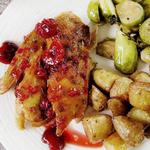
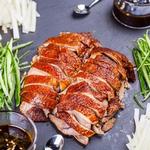
- Slice the breasts thinly and cut the legs in half. Arrange the duck on plates and top with the fig sauce.
Categories:
Similar recipes