Chinese milk bread
Votes: 1

Time: 3 hours 40 minutes
Complexity: average
Servings: 8
Complexity: average
Servings: 8
Nutritional value per serving:
Calories 259, total fat 10 G., saturated fats 5 G., proteins 7 G., carbohydrates 36 G., fiber 1 G., cholesterol 68 mg, sodium 182 mg, sugar 9 G.
Calories 259, total fat 10 G., saturated fats 5 G., proteins 7 G., carbohydrates 36 G., fiber 1 G., cholesterol 68 mg, sodium 182 mg, sugar 9 G.
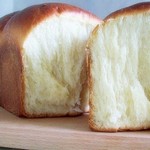
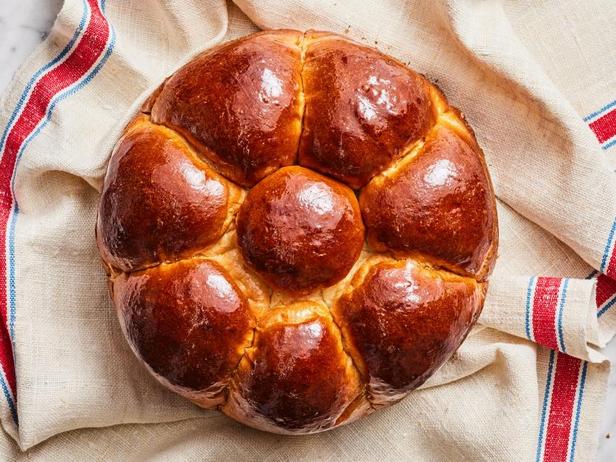
Chinese milk bread is loved for its soft, fluffy crumb and sweet, golden-brown crust. Each bite of this soft bread literally melts in your mouth. This bread is similar to Japanese milk bread (shokupan) in that part of the flour is mixed with water, heated, and then cooled before being added to the dough. This technique is called tang zhong, but this recipe uses a higher water-to-flour ratio, which helps the bread retain more moisture and stay soft longer. You can bake the bread in a rectangular pan for easy slicing for sandwiches or toast, or simply arrange it into rolls in a round pan. Enjoy milk bread with butter and jam, or simply as a sweet pastry.
The recipes use measuring containers with the following volumes:
1 glass (st.) - 250 ml.
3/4 cup (st.) - 180 ml.
2/3 cup (st.) - 160 ml.
1/2 cup (st.) - 125 ml.
1/3 cup (st.) - 80 ml.
1/4 cup (st.) - 60 ml.
1 tablespoon (tbsp) - 15 ml.
1 teaspoon (tsp) - 5 ml.
1/5 teaspoon (tsp) - 1 ml.
1 glass (st.) - 250 ml.
3/4 cup (st.) - 180 ml.
2/3 cup (st.) - 160 ml.
1/2 cup (st.) - 125 ml.
1/3 cup (st.) - 80 ml.
1/4 cup (st.) - 60 ml.
1 tablespoon (tbsp) - 15 ml.
1 teaspoon (tsp) - 5 ml.
1/5 teaspoon (tsp) - 1 ml.
Ingredients for the recipe:
- 2 tbsp (240 g) + 2 tbsp (18 g) bread flour + extra for working with the dough
- 0.5 cups (114 g) + 1 tbsp. cold whole milk
- 4 tbsp. l. (50 gr.) + 2 tsp. Sahara
- 5 tbsp (65 g) unsalted butter, room temperature
- 2 tsp (7 g) active dry yeast
- 2 large eggs, straight from the refrigerator
- 3 tbsp. l. (21 g.) milk powder
- 1/4 cup (28 g) cake flour
- 1 tsp (3 g) coarse salt
- 2 teaspoons of hot water
We recommend






Recipes with similar ingredients: bread flour, milk
Cooking the dish according to the recipe:
- In a medium saucepan, combine 2 tablespoons (18 g) bread flour with 1/2 cup cold water until smooth. Heat, stirring constantly, over medium heat until the mixture thickens and becomes opaque, about 2 minutes. Transfer to a stand mixer bowl and let cool slightly. Add 1/2 cup milk and stir by hand until the mixture breaks up into small pieces. Add the yeast and 1 tablespoon sugar. Let stand until foam appears on the surface, about 5 minutes.
- Meanwhile, grease a large bowl with 0.5 tablespoons of butter and set aside. Grease a 7 cm (3-inch) nonstick baking dish with another 0.5 tablespoons of butter and set aside.
- Add the ingredients to the yeast mixture in this order: 1 egg, dry milk, the remaining 2 cups (240 g) bread flour, cake flour, 3 tablespoons sugar, and salt. With a mixer fitted with the dough hook, mix on low speed until all the flour is moistened. Increase the speed to medium and mix until the dough is smooth and passes the gluten window test, about 10 minutes (see Note). Beat in the remaining 1 tablespoon butter on medium-low speed until smooth. Repeat, adding the remaining butter 1 tablespoon at a time, mixing after each addition, until the dough comes together, about 6 minutes.
- Turn the dough out onto a lightly floured work surface and form it into a tight ball, tucking the edges toward the center. Place it in the prepared bowl, grease it with butter, cover with plastic wrap, and let it rise in a warm, draft-free place until it doubles in size, about 1 hour. Don't throw away the plastic wrap.
- Transfer the dough to a lightly floured work surface and punch it down to deflate. Divide into 8 equal pieces, each weighing approximately 90g (2.5 oz). Flatten 1 piece into an 8cm (3.25 in) disk and gather the edges together to meet in the center. Flip and roll into a ball on the work surface, supporting the top of the dough with one palm until the ball is completely smooth. Repeat with the remaining pieces of dough and transfer all the balls to the prepared pan. Cover with the same plastic wrap and let the rolls rise until they cover the entire bottom of the pan, about 35 minutes.
- Position a rack in the upper third of the oven and preheat the oven to 175°C.
- In a small bowl, whisk the remaining egg with the remaining 1 tablespoon milk until no streaks of egg white remain, and set aside. Brush each bun with egg wash. Bake until the tops are golden brown, 25–30 minutes.
- Meanwhile, in a small bowl, combine hot water with the remaining 2 teaspoons of sugar until slightly dissolved. Brush the tops of the buns after removing them from the oven and let them cool for 5 minutes.
- Run a thin knife across the baking sheet, remove the buns from the pan, and let them cool on a wire rack until lukewarm. Serve. The buns can be stored in a tightly sealed container at room temperature for about 5 days, or tightly wrapped and frozen for up to 1 month.
Note
To check the dough for a gluten window, tear off a small piece of dough and stretch it. If it stretches without breaking into a thin film through which you can see your finger, the dough is ready. If it does break, knead the dough at medium speed for another 2 minutes and check the gluten window again.
Categories:
Similar recipes