Simple Seoul-Style Bibimbap
Votes: 14

Time: 2 hours 45 minutes
Complexity: easily
Servings: 4
Complexity: easily
Servings: 4
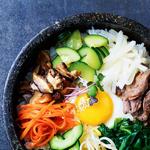
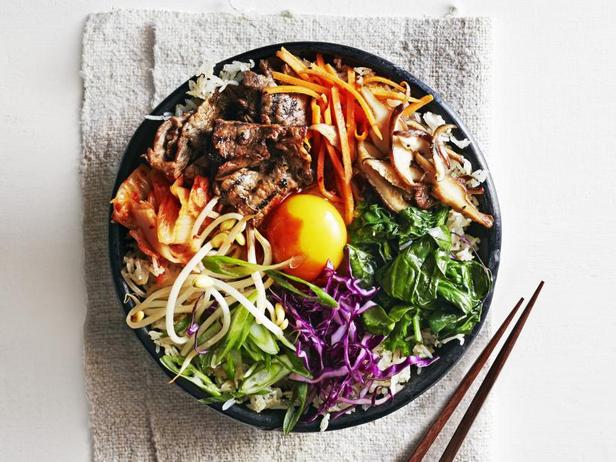
Bibimbap is the most popular and recognizable Korean dish worldwide. It consists of hot rice topped with neat piles of colorful vegetables and meat, arranged like petals with a raw egg yolk center. Bibimbap is typically served in special stone bowls or skillets, which will keep the dish warm for a long time. This recipe allows you to create your own simple, yet delicious, and vibrant bibimbap using mushrooms, fried beef, spinach, red cabbage, kimchi, bean sprouts, and gochujang, a fermented paste. All ingredients are cut into thin strips and arranged on top of the rice so that the colors of adjacent ingredients harmoniously blend or contrast beautifully.
The recipes use measuring containers with the following volumes:
1 glass (st.) - 250 ml.
3/4 cup (st.) - 180 ml.
2/3 cup (st.) - 160 ml.
1/2 cup (st.) - 125 ml.
1/3 cup (st.) - 80 ml.
1/4 cup (st.) - 60 ml.
1 tablespoon (tbsp) - 15 ml.
1 teaspoon (tsp) - 5 ml.
1/5 teaspoon (tsp) - 1 ml.
1 glass (st.) - 250 ml.
3/4 cup (st.) - 180 ml.
2/3 cup (st.) - 160 ml.
1/2 cup (st.) - 125 ml.
1/3 cup (st.) - 80 ml.
1/4 cup (st.) - 60 ml.
1 tablespoon (tbsp) - 15 ml.
1 teaspoon (tsp) - 5 ml.
1/5 teaspoon (tsp) - 1 ml.
Ingredients for the recipe:
Meat and marinade
- 1 kg ribeye steak (boneless back cut)
- 2 tbsp + 2 tsp brown sugar
- A pinch of red pepper flakes
- 1 clove garlic, finely grated
- 0.5 tsp finely grated ginger root
- 1/4 cup grated onion (on a coarse grater)
- 1/4 cup applesauce
- 2 teaspoons of vegetable oil
- 1/3 cup soy sauce
Vegetables and rice
- 4 cups carrots, grated or cut into strips
- 450 g shiitake mushrooms or a mixture of wild mushrooms, stemmed and sliced
- 1 bunch spinach, chopped, stems trimmed
- 3 tablespoons of vegetable oil
- 1 teaspoon apple cider vinegar
- 4-6 tablespoons gochujang (fermented chili paste)
- 6 cups hot cooked white rice
- 2 cups thinly shredded red cabbage (preferably grated with a mandoline)
- 2 green onions, sliced diagonally
- 4 cups bean sprouts
- 1/4 cup kimchi cabbage, thinly sliced or shredded
- 4 large egg yolks
We recommend







Recipes with similar ingredients: beef, rice, shiitake mushrooms, spinach, red cabbage, kimchi, ginger root, carrot, red pepper flakes, green onions, apple cider vinegar, chili paste, eggs
Cooking the dish according to the recipe:
- Marinate the beefFreeze the meat for 30 minutes, then slice thinly. In a large bowl, combine the brown sugar, red pepper, garlic, ginger, onion, applesauce, vegetable oil, soy sauce, and a few grinds of black pepper until the sugar dissolves. Add the beef and stir. Cover and refrigerate for 2 hours.
- Preheat oven to 190°C. Place 4 Korean stone bowls or two 25-30 cm diameter cast iron skillets in the oven for 30 minutes to preheat.
- Prepare the beefHeat a cast-iron skillet over medium-high heat. Remove the beef from the marinade and shake off any excess. Add the beef to the skillet (you may need to cook in batches; do not overcrowd the skillet to prevent the meat from cooking). Cook, undisturbed, for about 2-3 minutes per side. Flip and cook for another minute. Transfer to a plate and cover with foil.
- Prepare the vegetablesIn a large skillet over medium-high heat, combine 1 tablespoon vegetable oil and carrots. Cook, stirring, until the carrots are slightly softened but still crisp, just under 1 minute.
- Transfer the mixture to a large plate, reserving room for the other ingredients. Add another 1 tablespoon of vegetable oil to the same pan; add the mushrooms and cook until wilted and beginning to brown lightly, about 2 minutes. Season with salt and transfer to a plate. Add the remaining 1 tablespoon of vegetable oil and the spinach to the pan. Cook, stirring, until the greens are wilted, 1 minute, then add the vinegar and cook until completely evaporated, about 30 seconds. Transfer the spinach to a plate with the remaining vegetables.
- Assemble the bibimbapIn a small bowl, combine the gochujang paste with 1 tablespoon of water; set aside. Remove the preheated bowls or pans from the oven and place them on a heat-resistant surface, such as a wooden cutting board. Add an equal amount of hot rice to each bowl (the rice must be hot enough to cook the egg yolk when you stir it in).
- Add equal amounts of the remaining ingredients to each bowl or pan in clockwise piles: beef, carrots, mushrooms, spinach, cabbage, green onions, bean sprouts, and kimchi. Place a spoonful of the gochujang mixture in the center of each serving, then drop an egg yolk directly on top (1 yolk per bowl or 2 yolks per pan). Serve immediately while the rice is still sizzling in the bowl, and stir before eating to combine all the ingredients.
Categories:
Similar recipes