Absinthe: Myths and Reality
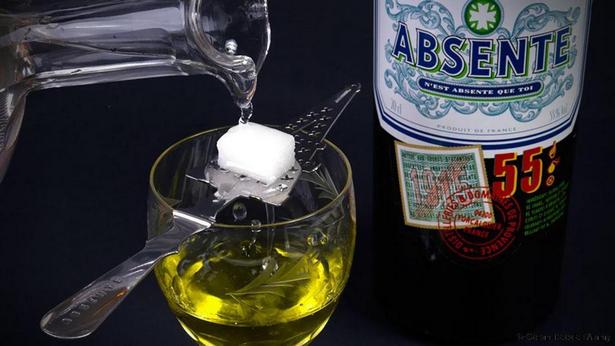
What is absinthe?
Absinthe is a strong liqueur containing 85% ethanol and infused with a variety of herbs, the most common of which are wormwood and Roman wormwood. The chlorophyll in the herbs gives the drink its green color, while the wormwood imparts a bitter taste. To counteract the bitterness, absinthe is usually diluted with water and sugar, giving it a cloudy white color.
The origins and stories of absinthe
The origins of absinthe are still debated. Although it was most popular in the late 1800s, it was invented much earlier. There is evidence of its existence as early as the 1750s. However, absinthe's main ingredients—wormwood and ethanol—were known to humanity thousands of years before these dates. Perhaps the drink was invented a long time ago, then forgotten, then rediscovered, and so on.
The word "absinthe" is of French origin. In the late 19th century, the drink was particularly popular. It was served in cafes for just 3-10 cents, depending on the wallet of the patrons. Cheap establishments, of course, sold counterfeits, which were given a green color using copper and other ingredients.
Today, the drink is still popular among writers and artists. This is because it induces certain mental confusion, as well as effects such as euphoria, hallucinations, and pain relief. Artists and writers often lack the imagination to create new images, which is precisely what absinthe can provide.
Ingredients and their effects
Absinthe is made up primarily of a chemical called ethanol. It can make up between 60 and 85% of the drink. It's what produces the euphoric sensation and has a strong pain-relieving effect. It also causes some psychological side effects.
Two types of wormwood are typically used in the production of the drink. Wormwood was originally used by ancient healers as an antiparasitic remedy, used to get rid of worms and other parasites. And it was indeed quite effective. Its roots contain toxic substances that suppress the activity of parasites. Consuming too much wormwood can also cause poisoning. However, this has not yet been definitively proven. It is believed that those who drink too much absinthe can develop absinthism—a condition characterized by epileptic seizures, delirium, hallucinations, and general confusion. It is known that thujone, a substance once used to poison mice, can accumulate in the body and cause similar symptoms. This substance is found in wormwood. Van Gogh's and other artists' ailments were most likely caused by excessive absinthe consumption and its associated side effects, rather than mental illness.
In addition to wormwood, absinthe also contains calamus and nutmeg. These two ingredients, when consumed in large quantities, can also cause hallucinations.
Absinthe and the Law
Absinthe was banned in the United States in 1912, and somewhat later in Europe. However, it was later re-authorized in France and Spain. The legality of its sale and consumption is still debated. Some argue that due to various bans, absinthe is now produced in a lower concentration than it once was, making it completely safe for the psyche. Research into its components and their effects on the human body has not yet been conducted, so it is difficult to make any definitive statements.
In conclusion
Due to the unknown nature of the production processes, it's impossible to say how powerful absinthe's psychological effects were when it was real. It's unknown what caused so many extreme reactions after drinking it—perhaps it was a reaction to substances such as copper sulfate, turmeric, and green aniline, used in an attempt to give the drink its characteristic green color. This question still requires further study.
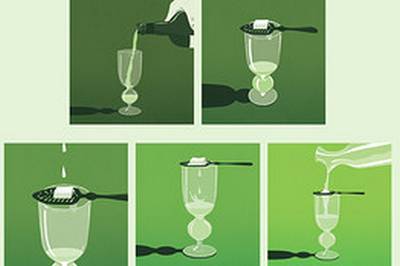
A schematic diagram of how to drink absinthe.
Translation by: Natalia Semenova "TopCook"
All recipes with absinthe
Similar material
20 Quick Recipes That Will Help You Out When You're Lazy

9 Metabolism Myths
Swiss Cocktail
Chrysanthemum Cocktail

Death in the Afternoon Cocktail
Easy Two-Ingredient Banana Pancakes

The Best Picnic Desserts – 100 Recipes
Gluten-free pie with pears and cranberries

10 Classic Champagne Cocktails
The Hallucinogenic Monk Cocktail
Citrus cocktail with tarragon
Captain Handsome Cocktail
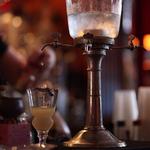
Green Fairy - Czech serving method
Traditional Green Fairy cocktail
Classic Manhattan cocktail
Blue Absinthe with Marshmallows
Croissants with chocolate
Prohibited foods
Sazerac cocktail
Appetizers
Beer snacks
Cheese appetizers
Sandwiches
Snacks
Canapes
Assorted appetizers
Snacks with sauces
Meat appetizers
Fish appetizers
Vegetable appetizers
Egg appetizers
Soups
Cold soups
Creamy soups
Cream soups
Soups with dressings
Clear soups
Vegetable soups
Thick soups, stews
Meat soups
Fish soups
Soups with pasta and cereals
Main courses
Meat
Bird, game
Side dishes
Vegetables, mushrooms
Fish, seafood
Cereals, legumes
Eggs, dairy products
Pasta
Casseroles
Salads
Warm salads
Vegetable salads
Leafy salads
Fruit salads
Salads with cereals and pasta
Salads with meat
Salads with fish
Salads with eggs
Salads with beans
Salads with bread
Fast food
Hamburgers
Sandwiches
Hot dogs
Pizzas
Hot sandwiches
Tortilla Dishes
Pita dishes
Pancakes
Sauces for fast food
Deep-fried dishes
Sauces
Seasonings
Gravies
Dips
Spreads
Barbecue glazes and sauces
Salad dressings
Oil mixtures
Emulsion sauces
Sweet sauces
Hot sauces
Sauces for fast food
Grill, barbecue
Grilled meat
Grilled poultry
Grilled fish
Smoked dishes
Grilled vegetables and fruits
Grilled flour products
Barbecue glazes and sauces
Bakery
Savory pies, pizzas
Homemade bread
Potato pancakes, pancakes
Unsweetened buns, pies
Unsweetened cookies and muffins
Desserts
Cupcakes
Fruit desserts
Cookie
Cakes
Donuts, pies, buns
Candies and small sweets
Creams, sauces, mousses, puddings
Soufflé, meringues, meringues
Jelly
Ice cream, sorbets
Cakes
Sweet pies, tarts
Pancakes, fritters, waffles, toast
Breakfast cereals, granola, muesli
Drinks
Milkshakes
Smoothies, granitas
Coffee and chocolate based drinks
Fruit drinks, juices
Tea and herbal drinks
Hot drinks
Alcoholic cocktails
Cocktails with vodka
Cocktails with gin
Whiskey cocktails
Cocktails with wine
Cocktails with brandy, cognac
Cocktails with absinthe
Cocktails with rum
Cocktails with sparkling wine
Tequila cocktails
Cocktails with beer
Cocktails with liqueurs
Frozen cocktails
Cooking methods
Air fryer
Pressure cooker
Cold dishes
Multicooker
Stuffed dishes
Deep-frying
Double boiler
Pan
Baking tray
Foil
Oven
Roaster
Mixer
Blender
Brazier
Food processor
Microwave
Wok
Pickled dishes
Dried and cured foods
Pickled dishes
Poached dishes
Salty dishes
Smoked dishes
Canned goods
Seasonal dishes
Festive dishes
New Year
Christmas
Valentine's Day
March 8
Easter
May 1st
Halloween
Birthday
Party Dishes
Wedding dishes
Cocktail party
Dinner party
Mother's Day
Cuisines of the world
European
French
Italian
Spanish
Greek
English
Irish
German
Portuguese
Austrian
Polish
Russian
Scandinavian Swedish
Asian Chinese Japanese Thai Vietnamese Korean Filipino
Arabic Jewish Turkish
Indian
African Moroccan
American Hawaiian Cajun Canadian Tex-Mex
Latin American Mexican Venezuelan Argentine Brazilian
Caribbean Cuban Jamaican
Scandinavian Swedish
Asian Chinese Japanese Thai Vietnamese Korean Filipino
Arabic Jewish Turkish
Indian
African Moroccan
American Hawaiian Cajun Canadian Tex-Mex
Latin American Mexican Venezuelan Argentine Brazilian
Caribbean Cuban Jamaican
Categories
Breakfasts
Lunches
Dinners
Children's dishes
Dishes for future use
Budget recipes
Comfort food
Recipes for one
Recipes for two
Picnic
Backyard Recipes
Dishes for fans
Movie Night Dishes
Cooking methods
Food Network Recipes
Recipe collections
Recipes by ingredients
Healthy eating
Healthy breakfasts
Lunches
Dinners
Healthy snacks
Dishes rich in fiber
Gluten-free dishes
Low sodium content
Low-calorie dishes
Dishes for diabetics
Low-carb meals
Low fat content
Low cholesterol
Calorie content of prepared meals
Vegetarian dishes
Vegan dishes