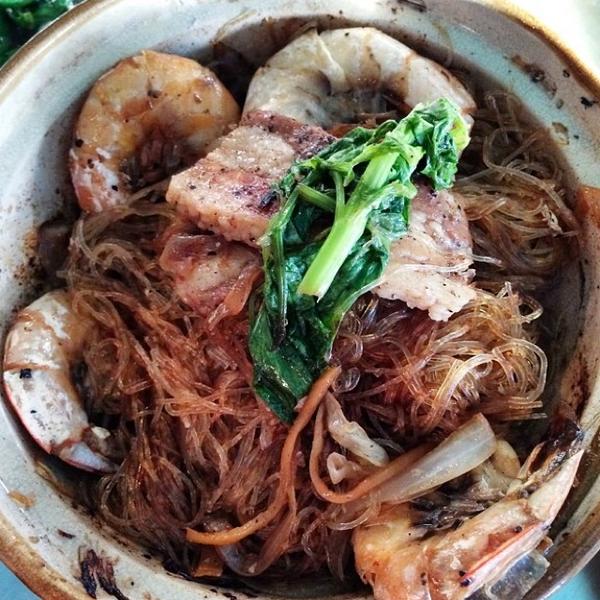
Kung op wun sen: Glass noodles baked with shrimp and pork belly in a pot with Thai sauce
Kitchen:Asian,Thai,
Time: 1 hour 30 min. Complexity: average
Servings: 4
Kung op wun sen is a Thai dish whose name translates as "baked noodles with shrimp." Sauce-soaked funchoza is baked in a clay pot with pork belly and large shrimp. Despite its complex flavor, this dish represents a more refined side of Thai cuisine than the well-known fiery curries. This dish is best cooked outdoors in a clay tao (or tandoor).
Nutritional value per serving:
Calories 276, total fat 13 G., saturated fats 3 G., proteins 12 G., carbohydrates 26 G., fiber 1 G., cholesterol 79 mg, sodium 326 mg, sugar 3 G.
Calories 276, total fat 13 G., saturated fats 3 G., proteins 12 G., carbohydrates 26 G., fiber 1 G., cholesterol 79 mg, sodium 326 mg, sugar 3 G.
Ingredients:
- 9 g coriander roots, thinly sliced
- 0.5 tsp black peppercorns
- A good pinch of coarse salt (1/4 tsp)
- 1 tbsp + 1 tsp vegetable oil
- 110 g chopped yellow onion (about 1 cup)
- 1/4 cup thin stalks of Chinese celery, cut into 4 cm pieces
- 1 piece ginger (14 g), cut into strips (about 2 tbsp)
- 60 g of skinless pork belly, cut into 0.3 cm thick and 6 cm long slices.
- 180 g large shrimp in shells (about 4 pcs.), preferably with heads
- 1/4 tsp coarsely ground black pepper
- Soak 90g of glass noodles in hot water for about 30 minutes until soft, dry, then cut with scissors into pieces about 10cm long.
- 0.5 tsp Thai black soy sauce
- 1 tbsp light soy sauce (Chinese soy sauce for wok and cooking)
- 1.5 tsp Thai oyster sauce
- 1.5 tsp Thai soy sauce (recommended: Golden Mountain Seasoning Sauce)
- 1.5 tsp Shaoxing wine (cooking rice wine)
- 1.5 tsp sugar
- 0.5 tsp quality sesame oil (look for brands that offer 100% sesame oil)
- 1.5 teaspoons of water
- 2 tablespoons coarsely chopped Chinese celery leaves
- Nam-jim sauce (a spicy, tart seafood dipping sauce), for serving
- Special equipment: granite mortar, clay pot
1 glass (st.) - 250 ml.
3/4 cup (st.) - 180 ml.
2/3 cup (st.) - 160 ml.
1/2 cup (st.) - 125 ml.
1/3 cup (st.) - 80 ml.
1/4 cup (st.) - 60 ml.
1 tablespoon (tbsp) - 15 ml.
1 teaspoon (tsp) - 5 ml.
1/5 teaspoon (tsp) - 1 ml.
3/4 cup (st.) - 180 ml.
2/3 cup (st.) - 160 ml.
1/2 cup (st.) - 125 ml.
1/3 cup (st.) - 80 ml.
1/4 cup (st.) - 60 ml.
1 tablespoon (tbsp) - 15 ml.
1 teaspoon (tsp) - 5 ml.
1/5 teaspoon (tsp) - 1 ml.
We recommend






Preparation:
- Step 1
- In a mortar, combine the cilantro roots, peppercorns, and salt and pound into a coarse paste, about 15 seconds. In a wok or skillet, heat 1 tablespoon of vegetable oil over medium-high heat until shimmering. Reduce heat to medium and add the onion, celery, ginger, and cilantro root paste. Cook, stirring frequently, until the onion is slightly wilted, about 90 seconds. Turn off the heat. Pour the remaining 1 teaspoon of vegetable oil into a clay pot and spread it evenly over the inside. Place the pork belly in a single layer in the bottom of the pot, then top with the onion mixture in an even layer. Using kitchen scissors, trim off all the pointed tentacles from the shrimp, then cut the shell down the back of the shrimp and lightly score the flesh to expose the vena cava. Remove the vena cava and arrange the shrimp in a single layer in the pot. Sprinkle with ground black pepper. Step 2
- In a medium bowl, toss the noodles with black soy sauce until they're an even amber color, then spread them into the pot in an even layer. You can stop cooking at this point and finish cooking in an hour, or cover the pot and refrigerate overnight. Let it come to room temperature before cooking. Step 3
- In a small bowl, combine the soy sauce, oyster sauce, soy sauce (seasoning sauce), Shaoxing wine, sugar, sesame oil, and water. Measure out 3 tablespoons of this mixture and drizzle it over the noodles. Top with celery leaves. Step 4
- Cover the pot with a lid and cook until the noodles and shrimp are fully cooked, 9–12 minutes, without opening the lid for at least the first 9 minutes. You won't know until you stir, but the pork belly should be lightly browned. If it's not, turn up the heat a bit next time you make this dish. Stir well before serving. Serve with nam-jim sauce for dipping the shrimp. Step 5
- Chinese celery (leaves and stems), is a variety of leafy bunch celery grown in East Asian countries, used in cooking for its aromatic leaves, which are consumed fresh and frozen in various dishes, marinades and pickles, and in dried form as a seasoning.
Nam Jim Jiu - This dipping sauce enhances the flavor of any meat, especially grilled meat. It contains fish sauce, lime or tamarind juice, sugar, dried chili pepper, toasted rice powder, and fresh herbs.
Votes: 1
 Recipe author - Food Network
Categories
recipe / Backyard Recipes / Calorie content of prepared meals / Main courses / Meat / / Food Network - recipes / Asian cuisine / Thai cuisineSimilar recipes
Sweet and Spicy Thai Shrimp Stir-fry
Pot pie

Beef brisket slider sandwiches with sauce

Beef brisket and white cheese slider sandwiches
The best rice noodle recipes
Sweet potato noodles in Thai peanut sauce with
Bao buns with pork belly
Asian-Style Noodles with Grilled Pork
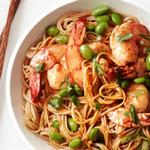
Asian noodles with shrimp and edamame
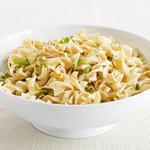
Egg noodles in butter sauce
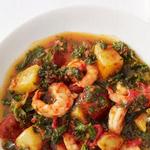
Stew with shrimp and pork sausage
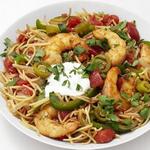
Tex-Mex Shrimp Noodles
Egg noodles baked with ham and three cheeses
Slow Cooker Rice Noodles with Pork
Roasted Brussels Sprouts with Mint Sauce
Buckwheat noodles with Thai peanut sauce
Appetizer with pineapple on lettuce leaves and Thai
Fried Pad Thai Noodles with Shrimp
Chicken skewers with spicy Thai salad
Pad Thai Rice Noodles with Shrimp
Hot and sour Thai soup with shrimp "Tom Yum"
Meat in a bread pot
Baked Lima Beans

Lava Cake (Chocolate Fondant in a Pot)
Glass noodles with chicken
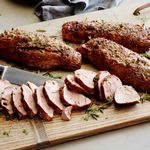
Pork tenderloin baked in balsamic sauce

Udon noodles
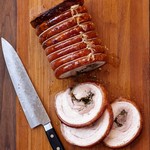
Baked porchetta (pork belly roll),
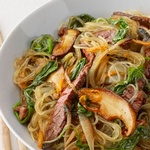
Korean-style glass noodles with beef
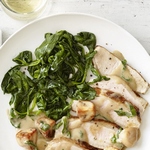
Baked pork with mushroom sauce and spinach

Potato gratin in a pot
Baked pork with potatoes and apple sauce
Appetizers
Beer snacks
Cheese appetizers
Sandwiches
Snacks
Canapes
Assorted appetizers
Snacks with sauces
Meat appetizers
Fish appetizers
Vegetable appetizers
Egg appetizers
Soups
Cold soups
Creamy soups
Cream soups
Soups with dressings
Clear soups
Vegetable soups
Thick soups, stews
Meat soups
Fish soups
Soups with pasta and cereals
Main courses
Meat
Bird, game
Side dishes
Vegetables, mushrooms
Fish, seafood
Cereals, legumes
Eggs, dairy products
Pasta
Casseroles
Salads
Warm salads
Vegetable salads
Leafy salads
Fruit salads
Salads with cereals and pasta
Salads with meat
Salads with fish
Salads with eggs
Salads with beans
Salads with bread
Fast food
Hamburgers
Sandwiches
Hot dogs
Pizzas
Hot sandwiches
Tortilla Dishes
Pita dishes
Pancakes
Sauces for fast food
Deep-fried dishes
Sauces
Seasonings
Gravies
Dips
Spreads
Barbecue glazes and sauces
Salad dressings
Oil mixtures
Emulsion sauces
Sweet sauces
Hot sauces
Sauces for fast food
Grill, barbecue
Grilled meat
Grilled poultry
Grilled fish
Smoked dishes
Grilled vegetables and fruits
Grilled flour products
Barbecue glazes and sauces
Bakery
Savory pies, pizzas
Homemade bread
Potato pancakes, pancakes
Unsweetened buns, pies
Unsweetened cookies and muffins
Desserts
Cupcakes
Fruit desserts
Cookie
Cakes
Donuts, pies, buns
Candies and small sweets
Creams, sauces, mousses, puddings
Soufflé, meringues, meringues
Jelly
Ice cream, sorbets
Cakes
Sweet pies, tarts
Pancakes, fritters, waffles, toast
Breakfast cereals, granola, muesli
Drinks
Milkshakes
Smoothies, granitas
Coffee and chocolate based drinks
Fruit drinks, juices
Tea and herbal drinks
Hot drinks
Alcoholic cocktails
Cocktails with vodka
Cocktails with gin
Whiskey cocktails
Cocktails with wine
Cocktails with brandy, cognac
Cocktails with absinthe
Cocktails with rum
Cocktails with sparkling wine
Tequila cocktails
Cocktails with beer
Cocktails with liqueurs
Frozen cocktails
Cooking methods
Air fryer
Pressure cooker
Cold dishes
Multicooker
Stuffed dishes
Deep-frying
Double boiler
Pan
Baking tray
Foil
Oven
Roaster
Mixer
Blender
Brazier
Food processor
Microwave
Wok
Pickled dishes
Dried and cured foods
Pickled dishes
Poached dishes
Salty dishes
Smoked dishes
Canned goods
Seasonal dishes
Festive dishes
New Year
Christmas
Valentine's Day
March 8
Easter
May 1st
Halloween
Birthday
Party Dishes
Wedding dishes
Cocktail party
Dinner party
Mother's Day
Cuisines of the world
European
French
Italian
Spanish
Greek
English
Irish
German
Portuguese
Austrian
Polish
Russian
Scandinavian Swedish
Asian Chinese Japanese Thai Vietnamese Korean Filipino
Arabic Jewish Turkish
Indian
African Moroccan
American Hawaiian Cajun Canadian Tex-Mex
Latin American Mexican Venezuelan Argentine Brazilian
Caribbean Cuban Jamaican
Scandinavian Swedish
Asian Chinese Japanese Thai Vietnamese Korean Filipino
Arabic Jewish Turkish
Indian
African Moroccan
American Hawaiian Cajun Canadian Tex-Mex
Latin American Mexican Venezuelan Argentine Brazilian
Caribbean Cuban Jamaican
Categories
Breakfasts
Lunches
Dinners
Children's dishes
Dishes for future use
Budget recipes
Comfort food
Recipes for one
Recipes for two
Picnic
Backyard Recipes
Dishes for fans
Movie Night Dishes
Cooking methods
Food Network Recipes
Recipe collections
Recipes by ingredients
Healthy eating
Healthy breakfasts
Lunches
Dinners
Healthy snacks
Dishes rich in fiber
Gluten-free dishes
Low sodium content
Low-calorie dishes
Dishes for diabetics
Low-carb meals
Low fat content
Low cholesterol
Calorie content of prepared meals
Vegetarian dishes
Vegan dishes