70 Chinese Cuisine Recipes
China boasts one of the most developed and sophisticated cuisines in the world. It's where many culinary techniques originated, and traditional Chinese dishes have spread around the world and become beloved in many countries. However, when it comes to Chinese cuisine, many of us know only the tip of the iceberg. Discover new recipes with this collection: it includes both traditional and modern takes on classic Chinese-American dishes.
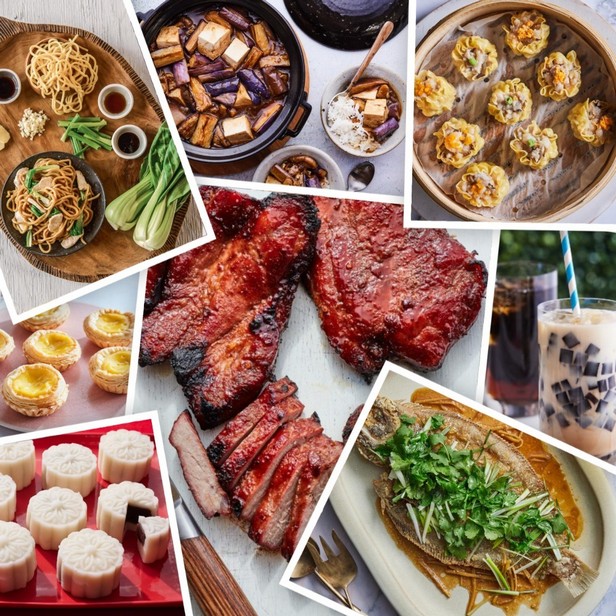
Popular Chinese dishes
Chinese cuisine is considered one of the most developed and refined in the world. It has inspired many global culinary techniques, and traditional Chinese dishes and pastries have spread around the world, where they have been adapted to local culinary traditions. However, when it comes to Chinese cuisine, most of us only know the tip of the iceberg. If you're ready for more than stir-fries and wontonsWe present a whole collection of recipes featuring traditional dishes, interpretations of classic Chinese-American dishes, and even special treats served during Chinese New Year. If you're not sure where to start, try these green onion pancakes, a family favorite. Their crispy crust conceals buttery layers of dough and fragrant green onion slices. They're delicious on their own, or in sandwiches, wraps, and even quesadillas.
Flatbreads with green onion and ginger dipping sauce
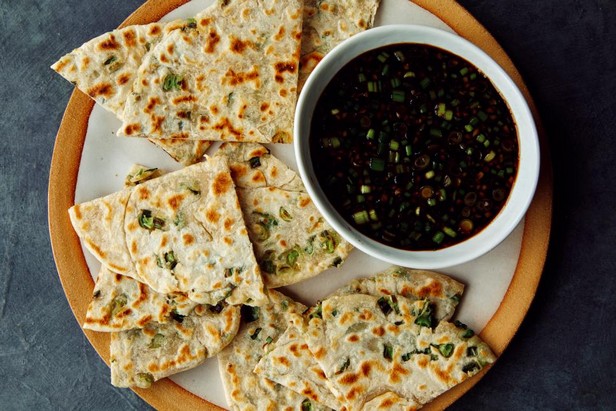
If you've never tried green onion tortillas before, they'll quickly become a favorite. They're delicious on their own: a crispy crust with a flaky, buttery crust and green onions underneath. But you'll also surely find them a favorite in sandwiches, wraps, and even quesadillas.
Recipe: Green Onion Pancakes with Ginger Dip
Congee with pork and century egg
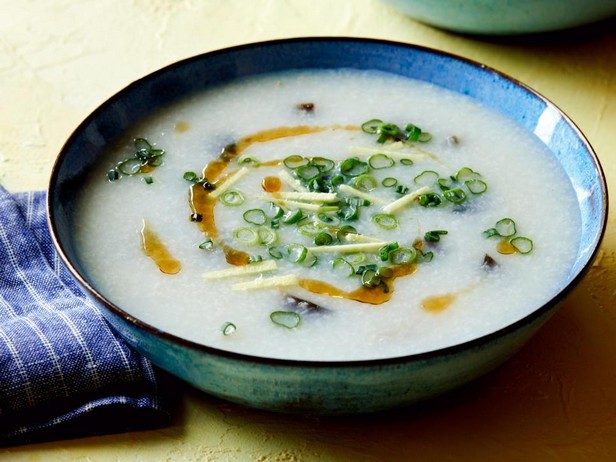
Congee is a very popular Chinese rice porridge, eaten for breakfast or while sick. The basic recipe is quite simple, making it the perfect canvas for adding a variety of toppings and seasonings. "Century eggs" are hard-boiled chicken eggs that have been salted and aged (though not for a century). This process causes the yolks to become creamy, and the whites to acquire a jelly-like texture, making them melt in the mouth. This is a favorite topping for congee.
Recipe: Congee with salted pork and century eggs
Pork cha shao
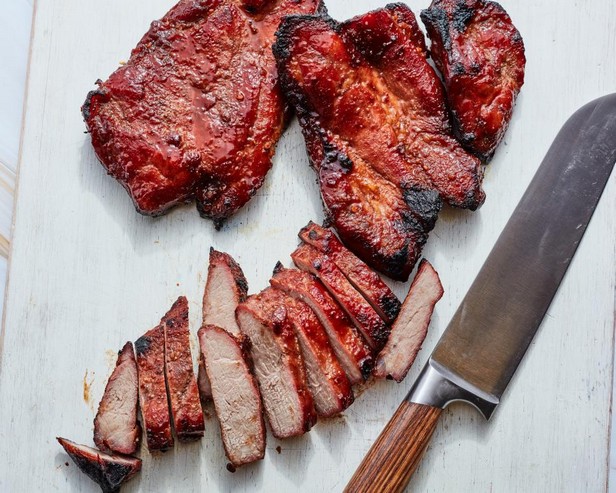
This recipe will leave you speechless! Cha shao is Chinese-style roast pork, eaten on its own or added to other dishes, from steamed buns and pastries to noodle soup and stir-fries. It's best to make a large batch and keep it in the freezer for later use.
Recipe: Char-siu
Xiao Long Bao Dumplings with Pork
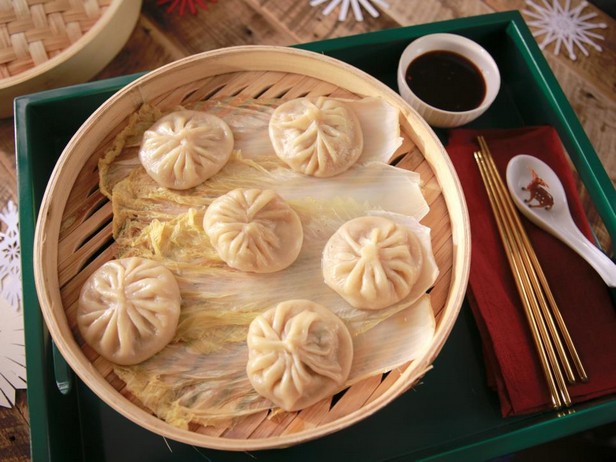
Xiao long bao, or broth dumplings, are traditional steamed dumplings from Shanghai. This city is renowned for its exquisite delicacies, the mastery of which sometimes takes years to master. These dumplings are a culinary marvel: soup hidden beneath a thin wheat flour crust. However, the secret is actually quite simple. Click the link and prepare to be amazed!
Recipe: Xiaolongbao: Soup dumplings with pork
Tankhulu

This popular Chinese street food consists of skewers of fruit coated in hardened caramel. Sour fruits are typically used to balance the sweetness of the caramel, but you can experiment with any fruit you like.
Recipe: Tankhulu
Salad of beaten cucumbers
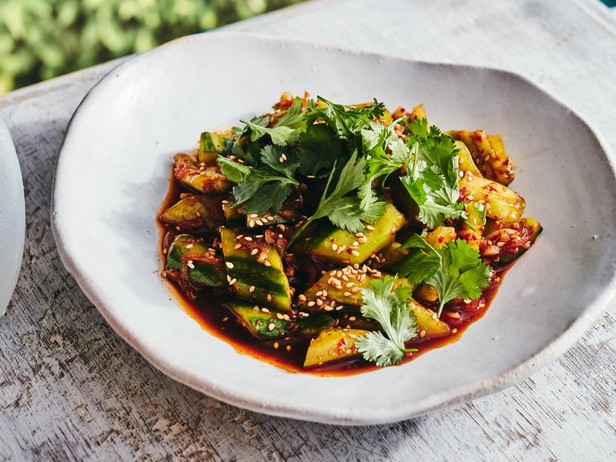
This is a variation of the cucumber salad, very popular in China. It uses gochukaru, bright red chili flakes from Korea, which impart a beautiful color. Chinese black vinegar is a key part of the recipe, and you're sure to love it.
Recipe: Salad of beaten cucumbers
"Drunken" chicken
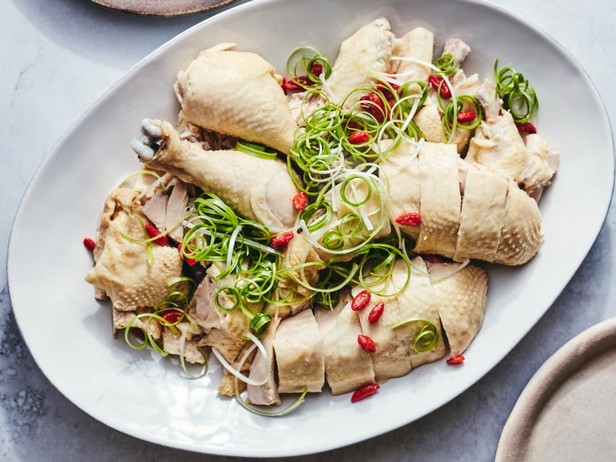
This classic cold dish from Shanghai features boiled chicken soaked in Shaoxing rice wine. In the US, sherry is often substituted, but since it's the main seasoning in the dish, Shaoxing wine is best. It's generally inexpensive and available in almost all Asian grocery stores and even online.
Recipe: Drunken Chicken
Hong Kong egg tarts

A favorite in Cantonese bakeries, these tartlets are a southern Chinese adaptation of pastel de nata, a Portuguese custard tart. They were brought to Hong Kong and Macau by Portuguese traders and colonists. The recipe was adapted to local tastes, and the Chinese version became lighter and less sweet than the Portuguese dessert.
Recipe: Hong Kong egg tarts
Shanghai-style braised pork with eggs
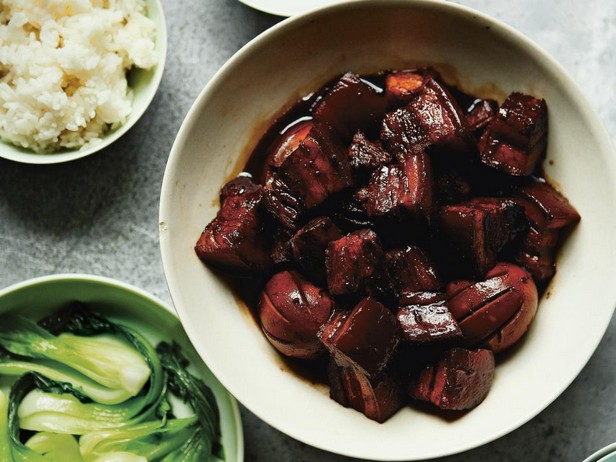
This is a variation of pork based on a recipe by Fuchsia Dunlop, the author of several cookbooks specializing in Chinese cuisine. If you can find traditional Chinese ingredients, the recipe is very similar to what's made in Shanghai, where locals prefer a sweeter version.
Recipe: Hongshao: Shanghai-style braised red pork with eggs
Stir-fry with bean sprouts
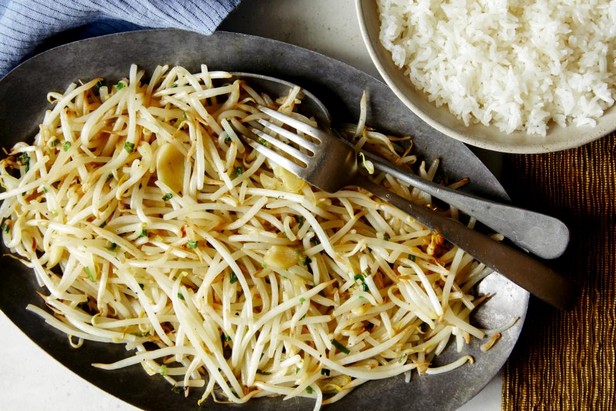
Bean sprouts are a popular ingredient in East Asia, including China. These crunchy greens are either mung bean sprouts (the most common) or soybean sprouts. If not eaten as is, they continue to grow, turning into a full-fledged legume. They make a great side dish or topping for rice, and can be customized to suit your tastes.
Recipe: Classic Bean Sprouts Stir-Fry
Chicken in orange sauce
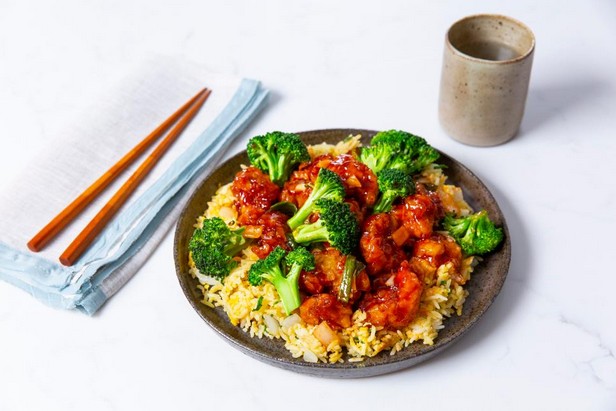
While there is a traditional Cantonese dish of orange meat, the beloved "orange chicken" is actually an American invention. According to many accounts, the dish was first prepared at Panda Express in Hawaii and has since become a staple on the menus of most Chinese-American restaurants. Jet Tila shows how to make it yourself, from the sauce to the fried rice.
Recipe: Chicken in orange sauce
The Best Pork Fried Rice
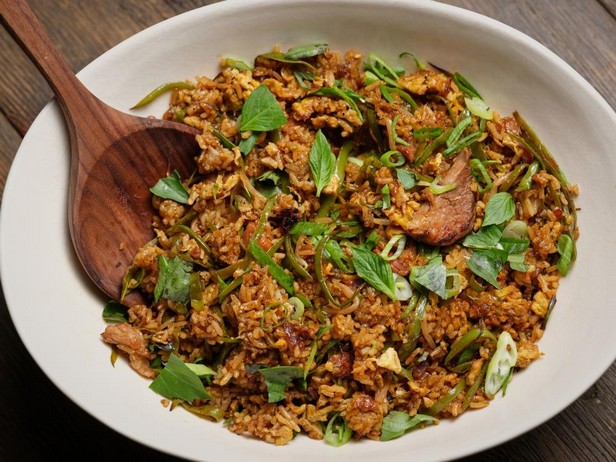
Chow fun, or fried rice, is a dish originating in Guangdong Province (formerly Canton); it's made with white rice cooked the day before. It became very popular virtually everywhere Cantonese immigrants settled, and there are versions in many countries, from Thailand and Pakistan to Nigeria and Peru. Here's an authentic recipe inspired by the flavors of Cantonese roast pork, cha shao.
Recipe: The Best Pork Fried Rice
Jiaozi dumplings with chicken and dipping sauce
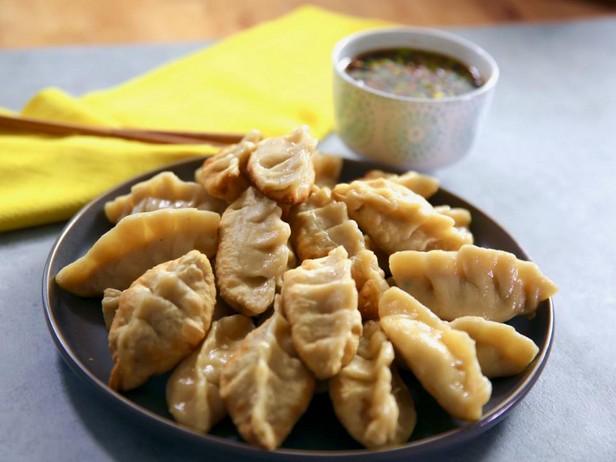
Molly Yeh offers a recipe for dumplings using ground chicken instead of pork. She also shows how to make everything from scratch, including the dough. If you enjoy DIY recipes, you'll definitely want to give this one a try.
Recipe: Chinese Guotie Dumplings with Chicken and Dipping Sauce
Mapo tofu
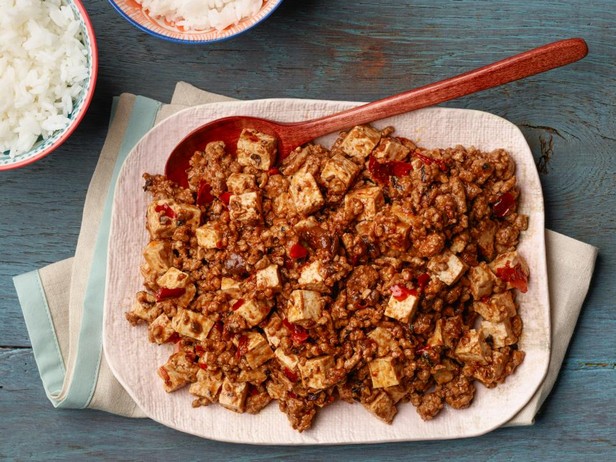
Mapo tofu is a dish from China's Sichuan province, where spicy, bold flavors are prized, and is known almost worldwide. There are many international versions, including a milder Japanese version. Traditionally, the dish contains pieces of soft tofu in a spicy sauce, seasoned with a small amount of meat and toban jang, a spicy fermented bean paste. This version includes more meat, making it ideal for those new to tofu.
Recipe: Mapo tofu
Donuts with chocolate filling and sesame seeds
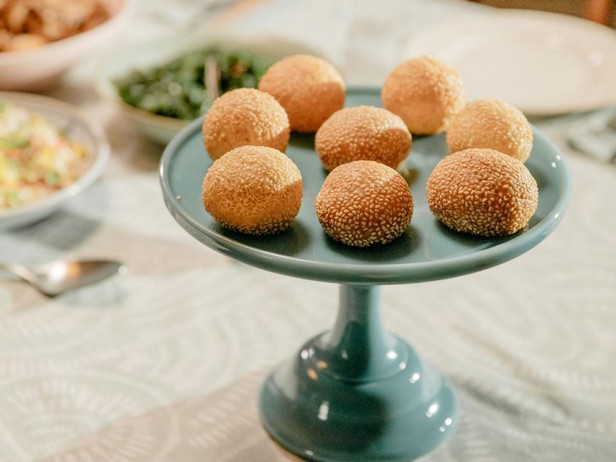
Molly Yeh skillfully creates new versions of classics, including those in traditional Chinese cuisine. Here, she makes crispy sesame donuts, replacing the traditional red bean filling with Nutella. Best of all, this treat is vegan and gluten-free.
Recipe: Sesame balls with chocolate
We recommend





Classic lo mein noodles
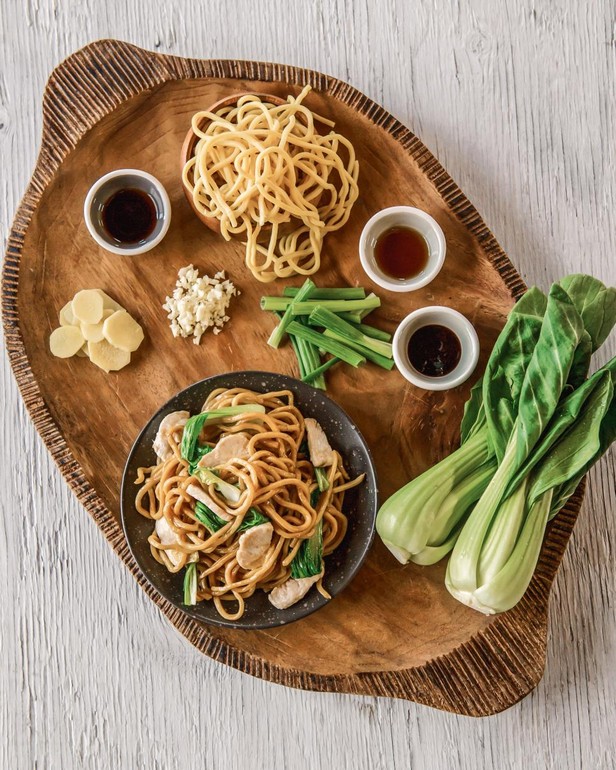
Lo mein is a stir-fried noodle dish, a staple at Chinese-American restaurants. Jet Tila offers his own take on the American dish. He advises against looking for an ingredient called "lo mein noodles" in stores, as there isn't really one. Instead, look for thick noodles similar in size to spaghetti.
Recipe: Classic lo mein noodles
Chinese-style braised pork
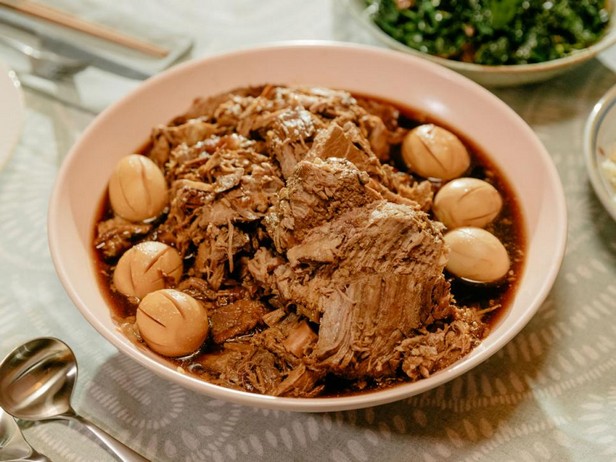
Molly Yeh offers her version of traditional Chinese braised pork. This simplified recipe uses readily available ingredients to replace spices that can be hard to find. It also calls for sherry, which has been replacing Chinese rice wine in the US for many years, producing a similar result. If you can find liaojiu (sometimes called Shaoxing cooking wine), be sure to use it instead.
Recipe: Pork teponk
Chinese almond cookies

These cookies are popular during Chinese New Year celebrations because they resemble ancient Chinese coins and are used to invite wealth into the home. However, many Chinese bakeries make them year-round. The traditional recipe calls for lard, but here we use butter.
Recipe: Chinese almond cookies
Dan-dan noodles
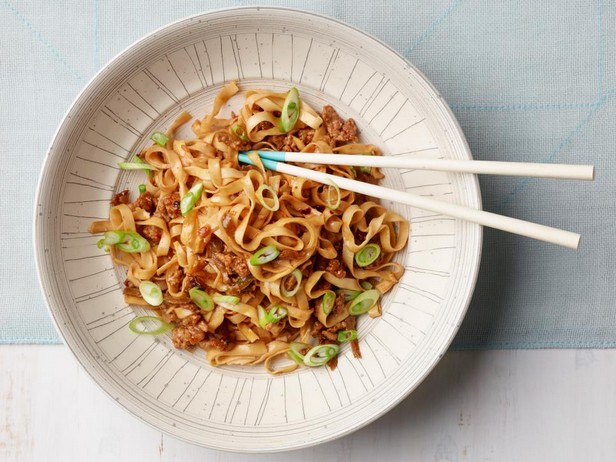
Dan dan noodles are another favorite dish from the Sichuan province, meaning they're spicy and fiery. They've become popular in many countries and are increasingly appearing on restaurant menus in the United States. This recipe is essentially a collection of two recipes. In addition to delicious noodles, you'll learn how to make homemade chili oil.
Recipe: Dan-dan noodles
Simple Stir-Fry Sauce
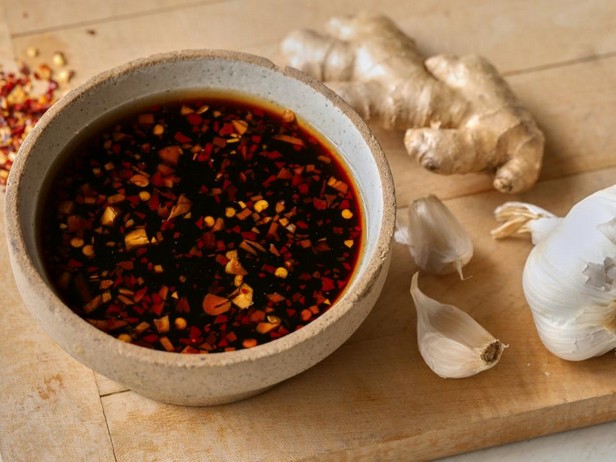
Stir-fries are a significant part of Chinese cuisine, and each one typically features a different set of seasonings that enhance the flavor and texture of certain ingredients. It can take some time to learn how to combine spices on the fly, so we've prepared a basic recipe that works with almost any stir-fry. Keep the sauce in the refrigerator, and you'll always have a quick meal ready.
Recipe: Simple Stir-Fry Sauce
Cantonese Boiled Chicken
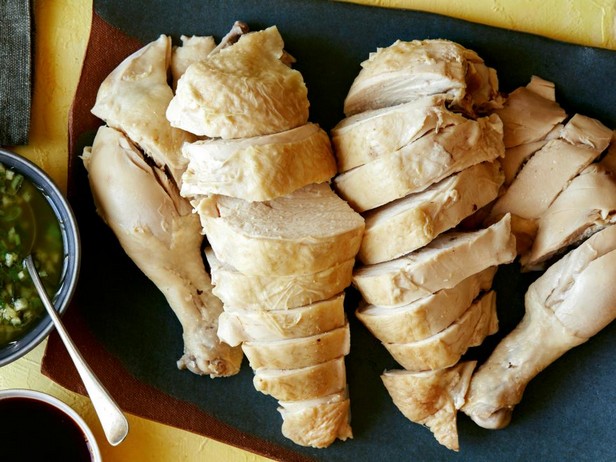
In most countries, chicken is a delicacy, prepared in ways that enhance its flavor and richness. A perfect example is bai qie ji, boiled chicken with green onions and a ginger dipping sauce. Because this dish emphasizes the chicken's flavor, it's best to use premium, non-crossbreed chicken. If you live near Chinatown, look for live poultry vendors to get the freshest chicken. They can also have the carcass gutted upon request.
Recipe: Bai ce ji: Sliced white chicken
Crispy seaweed with peanuts
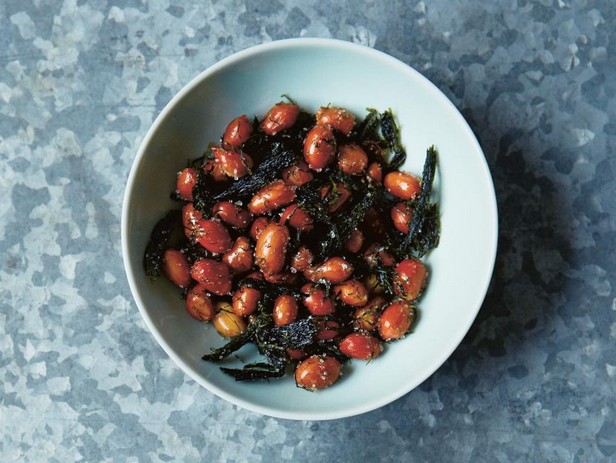
This is a favorite snack in the port city of Ningbo. The traditional recipe relies on seaweed, which is almost impossible to find commercially outside of China. However, you might be lucky enough to find it on the beach if you know what to look for. In any case, this recipe offers a simple substitute that many Chinese restaurants in the UK use.
Recipe: Peanuts with crispy seaweed
Steamed buns with carrots
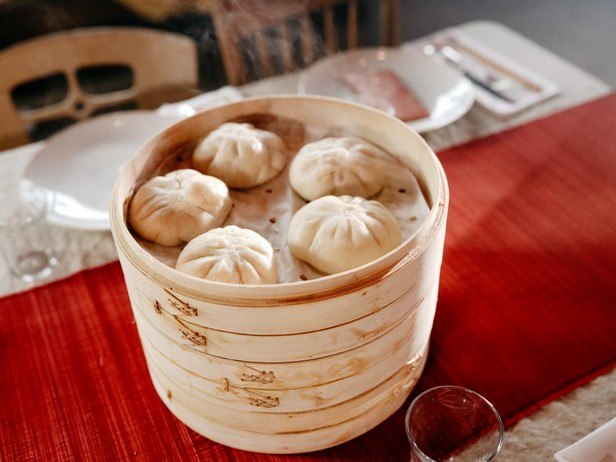
Chinese steamed buns are similar to dumplings, but they have a thick, airy top layer thanks to the yeast dough. So, a couple of them are enough for a filling meal. Here's a vegetarian version with carrots and roasted peanuts.
Recipe: Steamed buns with carrot filling
Chinese salad with smashed cucumbers
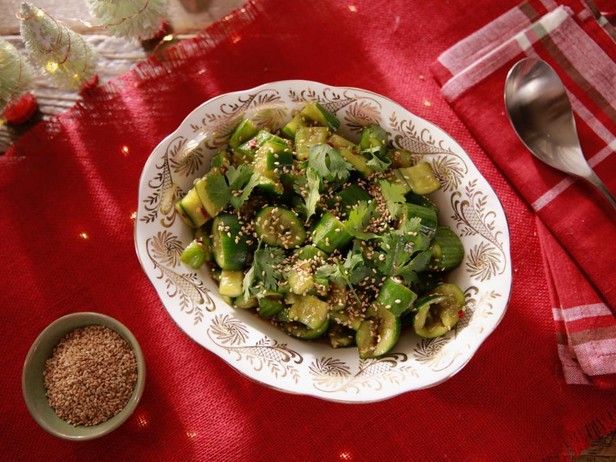
Salads like these are popular in many parts of China. When cucumbers are smashed (literally, with a rolling pin) rather than sliced, the pieces acquire a jagged, uneven texture, allowing them to better absorb the savory dressing. This also allows the cucumbers to release their juices, which mix with the other ingredients, becoming part of the dressing.
Recipe: Chinese Smashed Cucumber Salad
Lo bak go
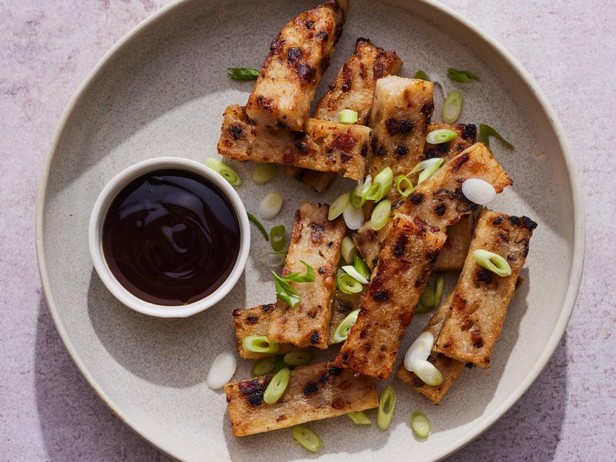
This recipe for a dish popular during Chinese New Year uses daikon, a Japanese radish. Daikon typically has a mild flavor, so it's complemented with rich, umami-rich ingredients like dried scallops, shiitake mushrooms, Chinese bacon, dried shrimp, and Chinese sausage.
Recipe: Lo-bak-go: Steamed turnip (daikon) pie
Chow fun with beef
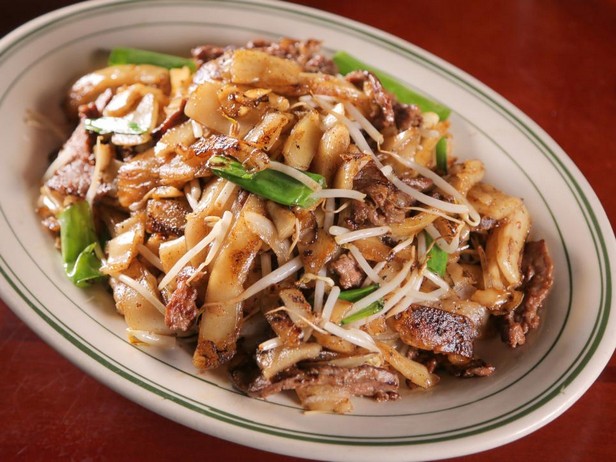
This popular southern Chinese dish features wide, thick rice noodles. They're tossed in a hot wok with beef and vegetables for a crispy, smoky flavor. The right noodles aren't always available, so this recipe includes instructions for making your own from scratch!
Recipe: Beef Chow Fun
Steamed striped bass with ginger and green onions
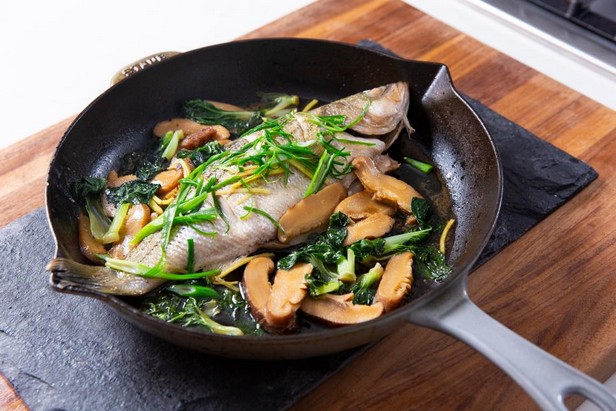
Steamed fish is a key element of Chinese cuisine. This method of cooking fish seems simple, but the technique has been refined over hundreds of years and brings out the best flavors of the fish. However, it's crucial to use the freshest fish you can find.
Recipe: Steamed striped sea bass with ginger and green onions
Yuebings
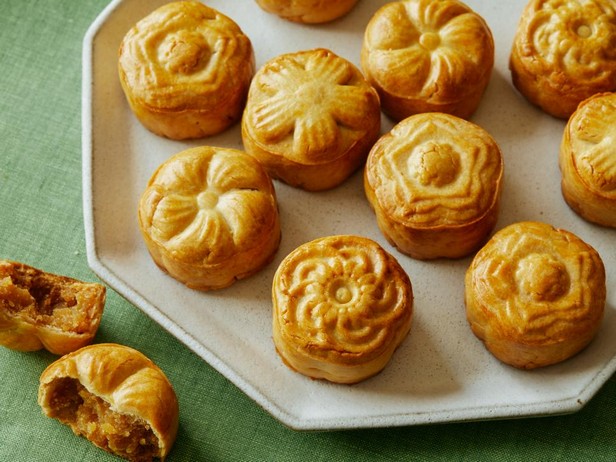
Mooncakes, also known as yuebings, are eaten during the Mid-Autumn Festival, a traditional Chinese harvest festival somewhat similar to Thanksgiving. These delicate pastries fit in the palm of your hand and contain a rich dough with a variety of fillings. This recipe will teach you how to make classic yuebings with lotus seed paste.
Recipe: Mooncakes (Yuebing)
Kung Pao Chicken
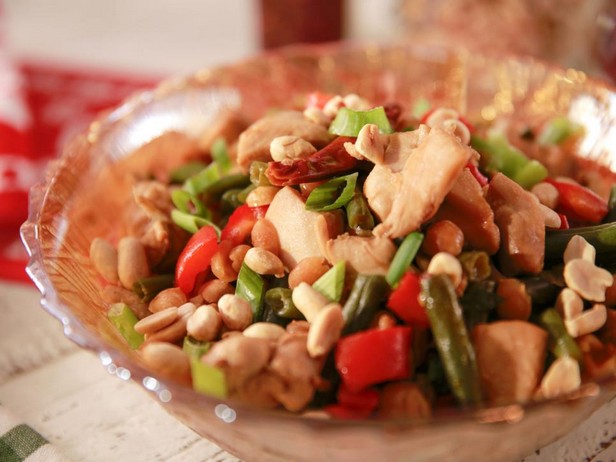
Kung Pao chicken is a spicy dish from China's Sichuan province; one of the local cuisine's favorite flavors is called "ma la," which translates as "hot and numbing." The heat comes from chili peppers, and the numbing effect (akin to the feeling of tasting a 9-volt battery as a child) comes from Sichuan peppercorns. This dish has also been adapted to Anglo-American tastes, becoming a favorite in Chinese-American restaurants. Molly Yeh offers a cross between a traditional Chinese recipe and a takeout menu item.
Recipe: Chicken in Kung Pao sauce
Shanghai-style stir-fry noodles
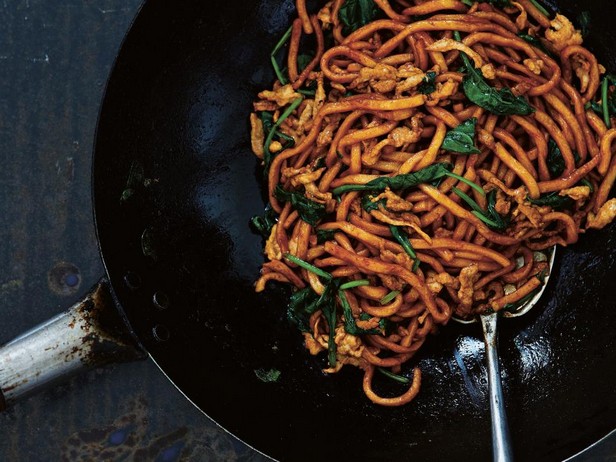
This is a filling and beautifully crafted dish. It's important to use Shanghai noodles, which are thick and springy. But if you can't find them, Japanese udon noodles are a great substitute. Although the recipe includes pork, the meat isn't essential, so you can omit it for a vegetarian version.
Recipe: Shanghai-style noodles
Traditional Chinese fried rice
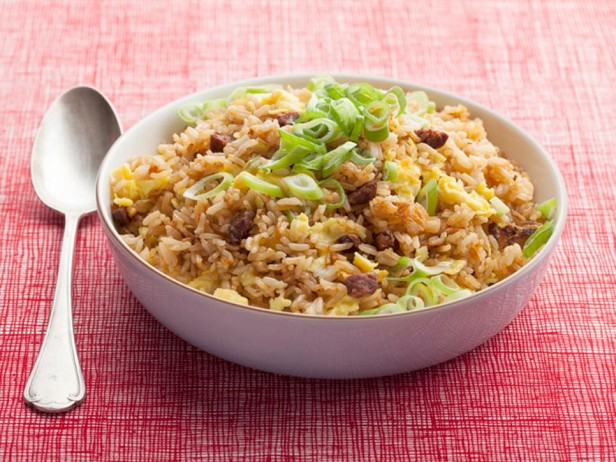
This is a more traditional version of chow fun, featuring only a few spices. The main ingredient is Chinese lachong sausage. It's sold in most Asian stores; it has a sweet flavor and a lot of fat, which will render and flavor the rice. It's crucial to use day-old rice; freshly cooked rice will make the dish look mushy.
Recipe: Traditional Chinese fried rice
Duck smoked in tea
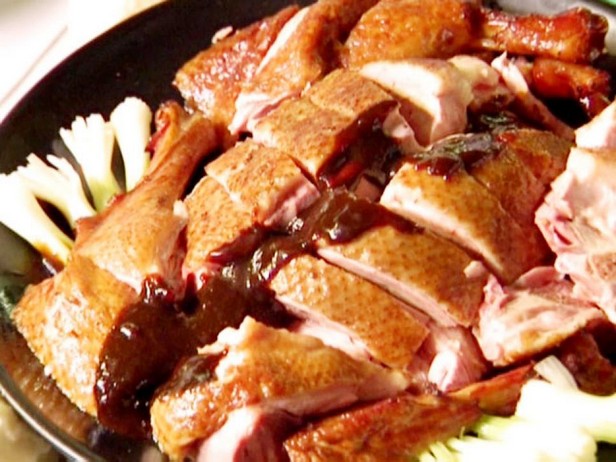
It's unclear whether this dish originated in Sichuan or Hunan provinces, as both regions are renowned for their spicy cuisine. Either way, smoking the duck with Chinese black tea imparts a deep flavor that complements the other seasonings beautifully.
Recipe: Duck smoked in tea
Noodle salad with chicken and peanut sauce
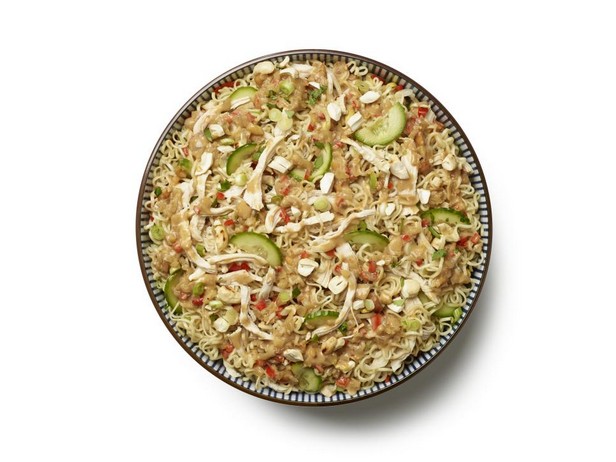
Cold noodle dishes are very popular in China, especially in tropical regions like Guangdong and Yunnan, where they are eaten during the summer heat. The recipe is based on Chinese wheat noodles, which are firmer and denser than Italian semolina pasta, so it's important to use them. The variety of vegetables, herbs, and nuts gives the dish a complex texture, and the rich peanut sauce creates a wonderful creaminess.
Recipe: Noodle salad with chicken in peanut sauce
Dumplings with spicy dipping sauce
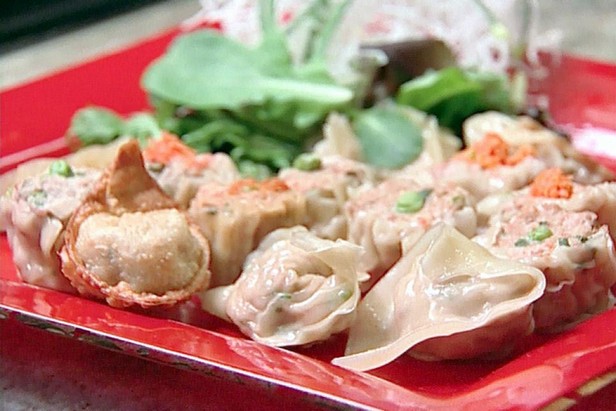
These dumplings are fried, boiled, and steamed almost simultaneously. After frying one side in a frying pan with oil, we add water to allow them to cook and steam. This results in soft dumplings on one side and crispy and golden brown on the other. These dumplings can be made in advance and even frozen before cooking.
Recipe: Potstickers with hot dipping sauce
Vegetarian jjajangmyeon noodles
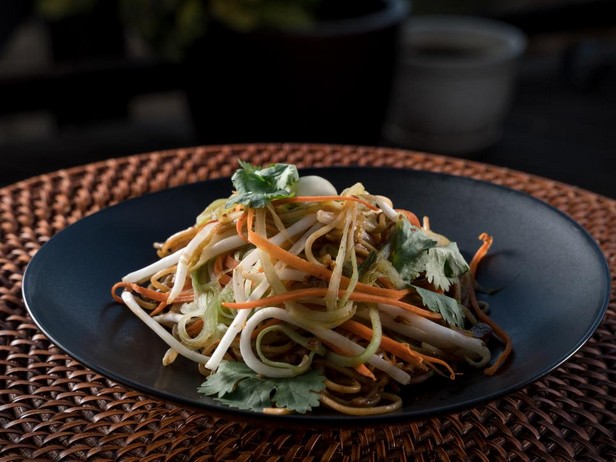
Jjajangmyeon is a favorite dish from Northern China and its capital, Beijing. It features wheat noodles with a dark garlicky black bean sauce and meat, topped with cucumber and other vegetables. This version uses a meat substitute, but you can use meat if you prefer. A version of this dish has also found its way into Chinese restaurants in South Korea, where it has become so popular that it is now considered part of the national cuisine.
Recipe: Vegetarian Chinese Noodles Ja Jian Mian
Spicy eggplants
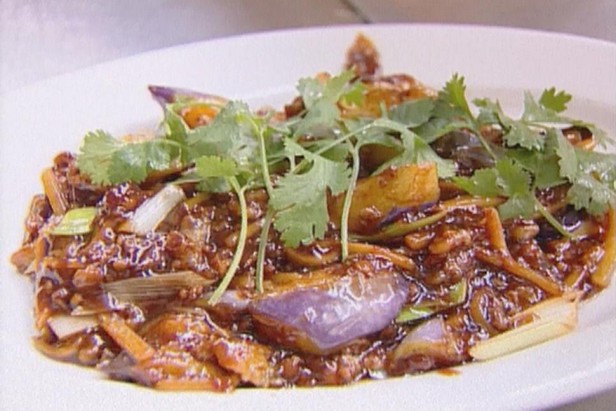
Eggplant is a popular vegetable in many parts of China, as well as in the culinary traditions of the Chinese diaspora. However, the eggplants native to Chinese cuisine differ from those sold in Western markets. They are long and slender, with purple skin and uniquely soft, tender, and velvety flesh. The combination of fried eggplant and a spicy, aromatic pork sauce will make this dish a regular part of your weekly menu.
Recipe: Spicy eggplants
Crispy noodle nests with chicken and vegetables
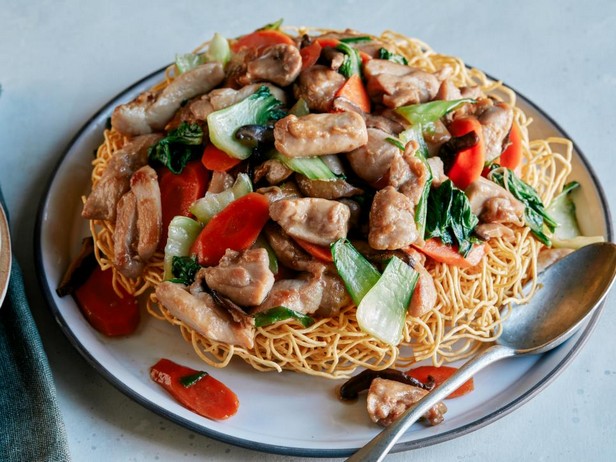
Crispy pan-fried noodles originated in Shanghai and the Suzhou region of China. When Shanghainese immigrated to Hong Kong, this dish became very popular there. It is known by several names, including "Hong Kong-style noodles," "gun sik chow mein," and "lian mein huan." This restaurant recipe features crispy noodle nests, deep-fried, with braised chicken and vegetables in a brown gravy. As the sauce coats the center of the noodles, they soften and take on a texture similar to lo mein. You can substitute another protein (such as beef, pork, or shrimp) for the chicken, but keep in mind that the cooking time will vary.
Recipe: Crispy noodle nests with chicken and vegetables
Steamed Chinese pork ribs
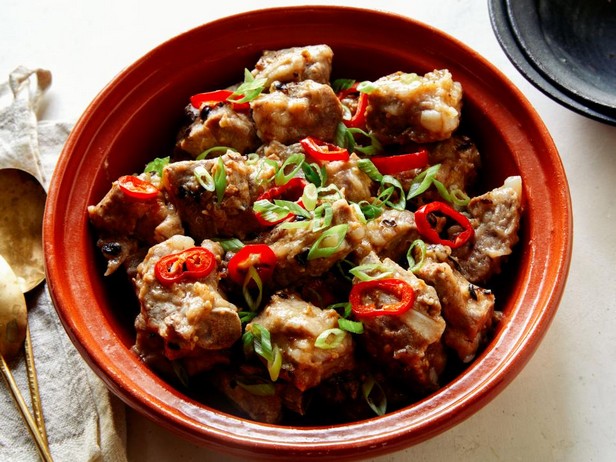
"Steamed pork spare ribs with fermented black beans are a popular dim sum dish, but in my family, we love making them for dinner," shares recipe author Andy Liang. "They marinate quickly, cook quickly, and create a delicious dish that's easy to pair with rice or noodles and blanched or stir-fried vegetables. The vegetables can be cooked while the spare ribs are cooking. They get their flavor from the fermented black beans. This recipe works best with 5cm-thick, meaty spare ribs. If you have thinner ones, reduce the cooking time to 15 minutes."
Recipe: Steamed Chinese pork ribs
Herbal jelly dessert
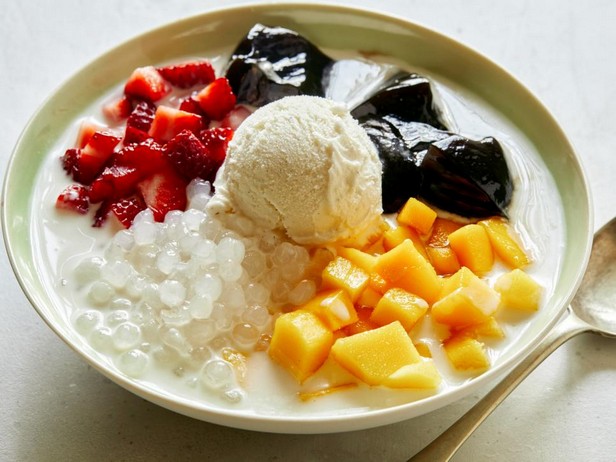
Grass jelly dessert is a harmonious combination of coconut, vibrant fruits, chewy pearl tapioca, mochi, and any ice cream of your choice. Asian patisseries typically serve pre-made dessert combinations, but some places allow you to create your own bowl using your favorite ingredients. This recipe uses a coconut milk mixture similar to the one served in Chinatown, with a balanced flavor that pairs well with any fruit, but you can add more or less sugar as desired.
Recipe: Herbal jelly dessert
Ba-si-di-gua: sweet potato dessert
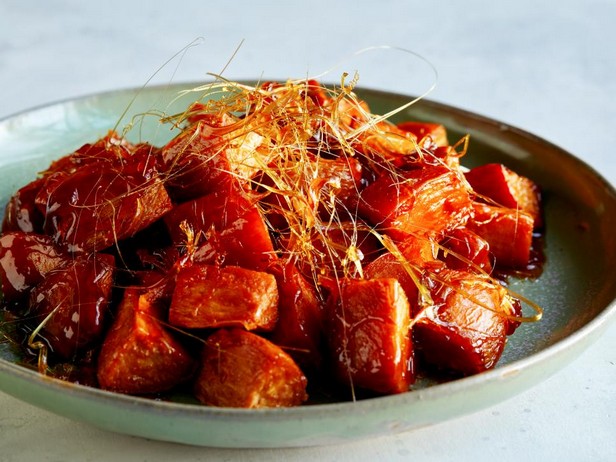
Caramelized Chinese sweet potatoes are a popular restaurant dessert featuring tender, deep-fried sweet potato slices coated in golden-brown caramel. As the caramel cools, it develops a crispy shell that crumbles when you bite into it, creating a stunning contrast of textures. Some restaurants immediately plunge the caramelized sweet potato into a bowl of ice water to quickly set the sugar. You can do the same at home, or serve the dish as quickly as possible, as the caramel will stick to the plate as it cools.
Recipe: Ba-si-di-gua: sweet potato dessert
Chinese plum sauce
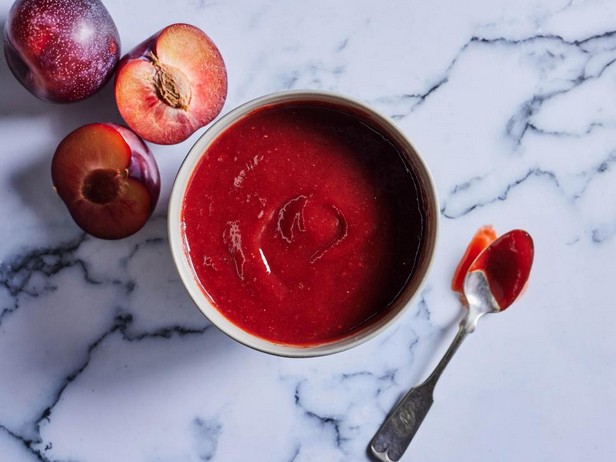
Plum sauce is typically made with vinegar, sugar, and spices. This version has the perfect balance of sweetness, tartness, and a hint of heat. Traditionally, plum sauce is served as a dip for spring rolls, egg rolls, and fried wontons, and is also used as a drizzle on duck, chicken, and pork. Try it with noodles or in a stir-fry.
Recipe: Chinese plum sauce
Salad of chopped cucumbers and watermelon
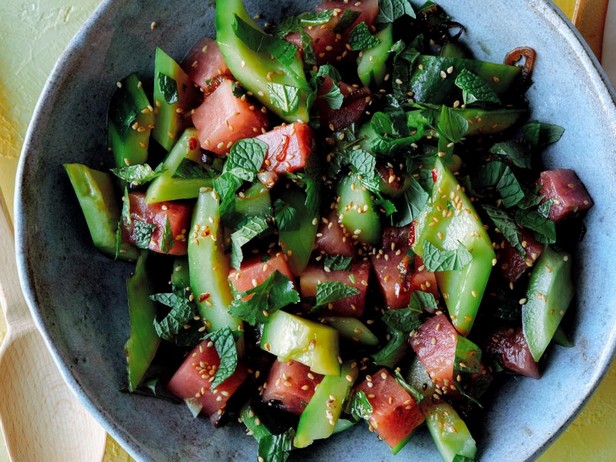
Smashed cucumber salad (or pai huang gua) is a staple side dish in many Chinese restaurants. It's typically made with cucumbers dressed with black vinegar, soy sauce, garlic, and sesame seeds (or sesame oil). Other variations add chili and sometimes Sichuan peppercorns. First, the cucumbers are battered to create jagged edges and increase the surface area exposed to the dressing, which softens the skin, firms the flesh, and draws out excess water to concentrate the flavor. This version combines the freshness of sweet watermelon with an abundance of greens, with a hint of chili and ginger. This vibrant summer salad is sure to tantalize your taste buds.
Recipe: Salad of chopped cucumbers and watermelon
Douhua
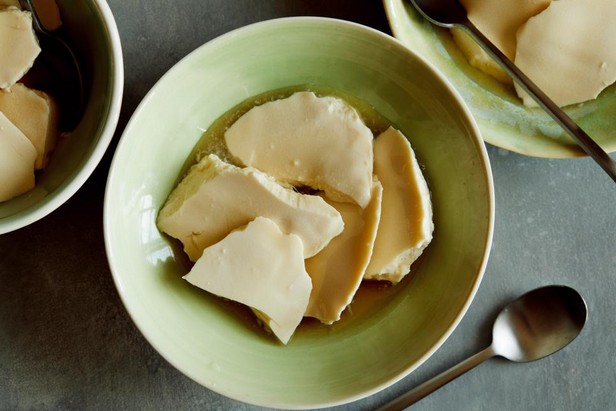
Tofu pudding (also known as dou fu hua) has a light, fresh flavor and an incredibly soft texture—softer than silken tofu! It pairs beautifully with anything from savory, vibrant pickles to spicy chili oil and soy sauce, but it's typically served at dim sum restaurants as a dessert. The waiter pushes the dou hua around on a separate trolley in a large metal pot and asks, "Would you like it with syrup?" This refers to sweet ginger syrup, which pairs well with this pudding. Restaurants often use tens of liters of soy milk and a special coagulant, measured to the nearest 0.1 gram, but for home cooking, food-grade plaster of Paris is best. Its only drawback is a dry mouth, but the ginger syrup alleviates this.
Recipe: Douhua
Lo-mai-fen
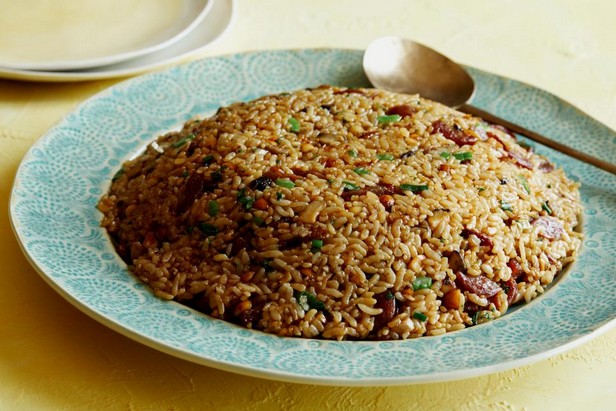
Fried sticky rice with Chinese sausage (or lo mai fen in Cantonese) is a popular dim sum dish made with sweet Chinese sausage (lap cheong), shiitake mushrooms, and dried shrimp for an umami-rich flavor, along with a savory sauce and fresh herbs. Roasted peanuts aren't included in the traditional recipe, but they add a pleasant crunch and nutty flavor.
Recipe: Lo-mai-fen
The Best Sweet Pepper Steak
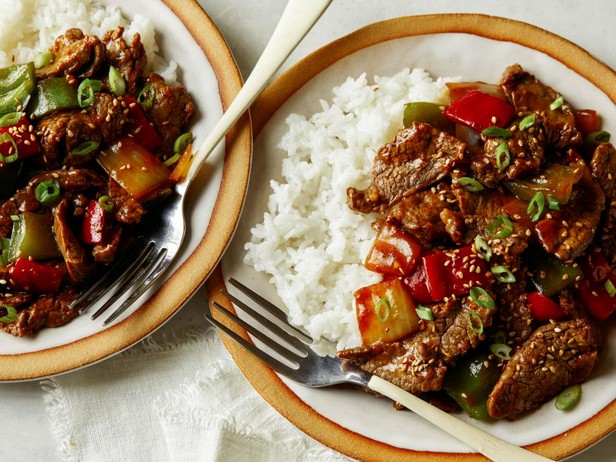
Bell Pepper Steak is a Chinese-American stir-fry dish in which tender pieces of beef steak and crispy bell peppers are coated in a savory, slightly sweet sauce. Any steak will do, even budget skirt or flank steak. Be sure to slice the meat into thin strips across the grain to ensure tenderness. To ensure the peppers are perfectly cooked and remain tender yet crisp, cut them into 2-cm pieces.
Recipe: The Best Sweet Pepper Steak
Hong Kong-style toast with condensed milk

In Hong Kong, toast with condensed milk and peanut butter is on the menu at any cha chan taeng (tea house). It's served not only for breakfast but throughout the day. This warm, sweet and salty fried sandwich with a gooey, creamy filling is a delicious way to satisfy a sweet tooth at any time of day.
Recipe: Hong Kong-style toast with condensed milk
Nai wong bao: steamed buns with custard
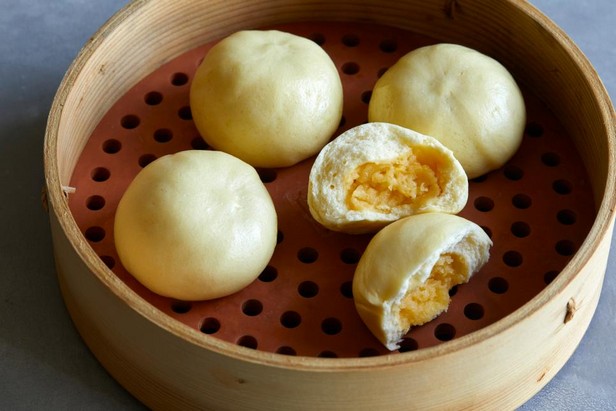
Chinese steamed bao buns filled with custard are the perfect combination of a warm, fluffy crumb and a sweet, creamy filling. The name "nai wong bao" translates from Cantonese as "milk yellow bun." This recipe uses a dry custard mix. It's not typically added to the traditional filling, but it's an easy way to enhance the creaminess and yellow color of the custard. Nai wong bao are typically served in the morning with hot milk tea or to finish off a late breakfast with dim sum.
Recipe: Nai wong bao: steamed buns with custard
Pork ribs with black beans and rice in donabe
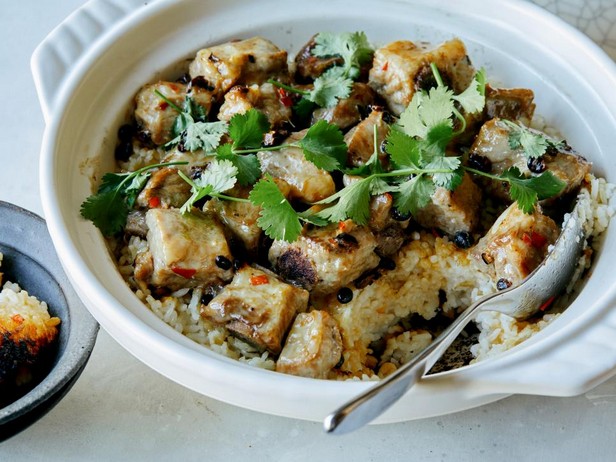
"After a long day of running errands in Chinatown with my parents, we'd order donabe with spare ribs, black beans, and rice at a local restaurant," recalls Vivian Chan. "The rice was infused with all the flavors of the delicious spare ribs, but what I loved most was the crispy crust of rice that formed at the bottom of the clay pot. As soon as the small, but piping-hot donabe arrived, my dad would pour sweet soy sauce over it, and the sizzling sound would signal it was time to dig in. This recipe delivers the same flavor, sizzle, and warmth it did years ago, but it's made in a larger portion, so it's enough for the whole family."
Recipe: Pork ribs with black beans and rice in donabe
Siu-mai
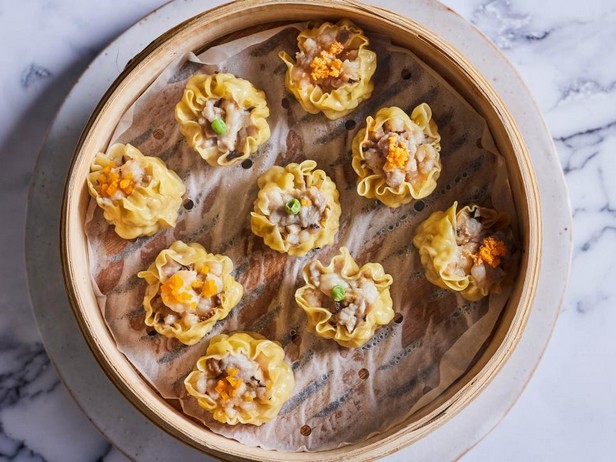
No dim sum table is complete without siu mai, open-topped dumplings. While the filling recipe varies from restaurant to restaurant, pork and shrimp siu mai are particularly popular. Soaking the pork belly and shrimp in a baking soda solution helps achieve the perfect filling texture. Hand-slicing the pork belly also adds a unique texture to the dish, but in a pinch, ground pork can be substituted.
Recipe: Siu-mai
Har-go
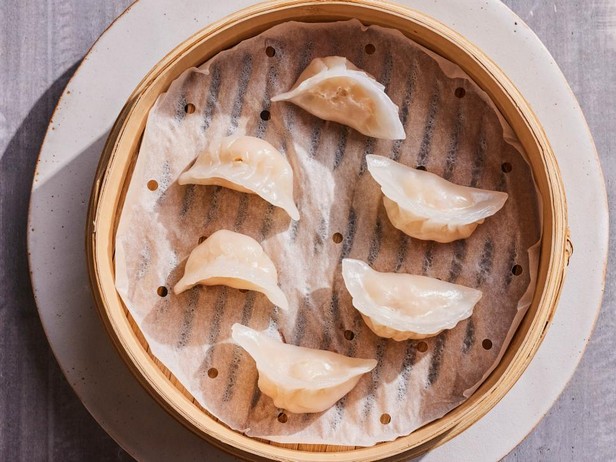
Har gow is a popular dim sum dish in China. These shrimp dumplings are known for their slightly chewy, translucent dough, orange shrimp filling, and numerous tiny folds, which are considered a reflection of the chef's skill: the more folds and the more translucent the dough, the more skilled the chef. The shrimp are pre-soaked in a baking soda solution. This technique helps make them crispier. The gradual mixing of wheat starch with boiling water creates the signature translucent dough.
Recipe: Har-go
Zongzi in a slow cooker
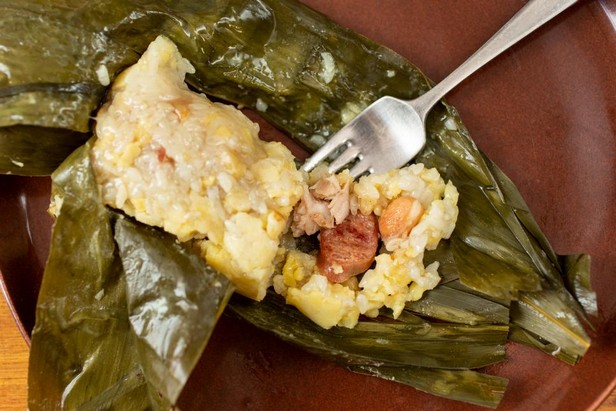
“For as long as I can remember, my family has always eaten zongzi during the Dragon Boat Festival,” shares recipe author Vivian Chan. “But I only recently learned how to make them when my mother-in-law told me about it. This family recipe originated in her village, Toishan, in Guangdong Province, China. I was shocked, yet intrigued, by the level of dedication required to prepare this humble dish of stuffed glutinous rice in bamboo leaves. Over the course of several weeks, they would gather a group of ten aunties and decide when and where they would hand-fill and tie the small bundles, which could number as many as 200 (a two-day process!). Then they would gather the largest pots from neighbors and boil the zongzi for about 8 hours per serving. This process took another two days. The result of this enormous effort was enough food to share with friends and family during the festival. This adaptation of my mother-in-law's recipe uses much fewer ingredients and a slow cooker, which makes the zongzi cook much faster."
Recipe: Zongzi in a slow cooker
Mango pudding
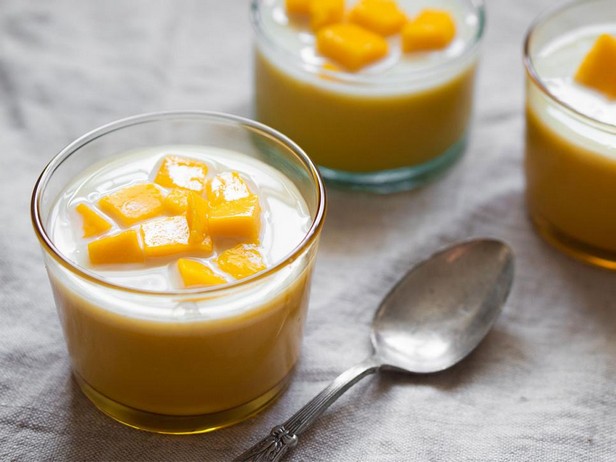
Hong Kong-style mango pudding is an often overlooked dessert in dim sum restaurants. Perfectly silky and smooth, this pudding is made with ripe, fresh mangoes, imparting a natural sweetness and vibrant flavor. Drizzle each serving with condensed milk and garnish with a few cubes of fresh mango. It's the perfect treat for a warm, sunny day.
Recipe: Mango pudding
Scrambled eggs with tomatoes and rice
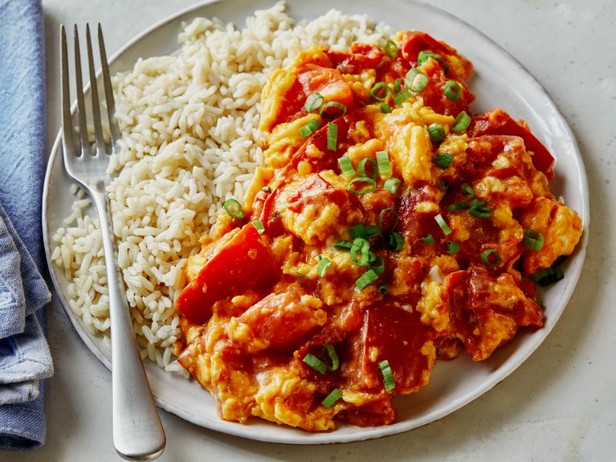
Tomatoes and egg with rice is a classic Chinese home-cooked dish. It's so simple that it's perfect for a hearty weeknight dinner. With the exception of fresh tomatoes, all the other ingredients are considered basic in China and are readily available to any Chinese cook. Plum tomatoes are best for this recipe; they have a more uniform flavor and texture. The secret ingredient in this sauce is a starch paste. It gives the sauce a simmered consistency in just minutes. Another important point: don't overcook the eggs. The curds should be tender and soft.
Recipe: Scrambled eggs with tomatoes and rice
Bo-lo-bao: Chinese pineapple buns
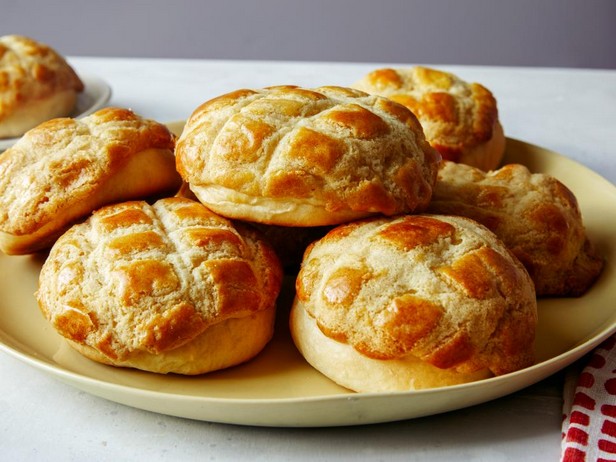
Pineapple buns (or bo lo bao in Cantonese) are a classic Chinese pastry. They can vary in the sweetness of the topping, as well as the shape, size, and softness of the bun. In this version, the soft and fluffy bun, similar in taste and texture to Chinese milk bread, is topped with a sweet cookie dough that spreads onto the surface during baking. Despite the name, these buns do not contain pineapple, but are so named because of the pineapple-like pattern on the surface.
Recipe: Bo-lo-bao: Chinese pineapple buns
Sesame balls with lotus seed paste
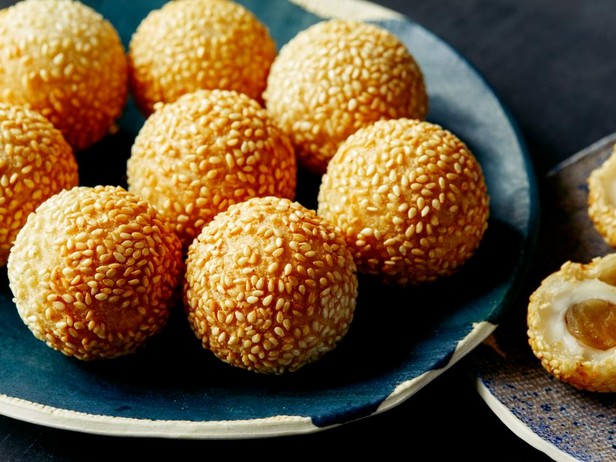
Crispy on the outside and soft on the inside, fried sesame balls (jiang dui) are a popular snack at dim sum restaurants and some bakeries in China. The dough, similar to Japanese mochi, gets its characteristic texture from glutinous rice flour, while the addition of wheat starch makes it easier to work with and helps the balls retain their shape when fried. Sesame balls are traditionally filled with sweet red bean paste, peanut paste, or chocolate-hazelnut spread. But the most delicious filling is lotus seed paste, which has notes of chestnut and almond and pairs particularly well with the nutty flavor of sesame.
Recipe: Sesame balls with lotus seed paste
Chinese milk bread

Chinese milk bread is loved for its soft, fluffy crumb and sweet, golden-brown crust. Each bite of this soft bread literally melts in your mouth. This bread is similar to Japanese milk bread (shokupan) in that part of the flour is mixed with water, heated, and then cooled before being added to the dough. This technique is called tang zhong, but this recipe uses a higher water-to-flour ratio, which helps the bread retain more moisture and stay soft longer. You can bake the bread in a rectangular pan for easy slicing for sandwiches or toast, or simply arrange it into rolls in a round pan. Enjoy milk bread with butter and jam, or simply as a sweet pastry.
Recipe: Chinese milk bread
XO Sauce
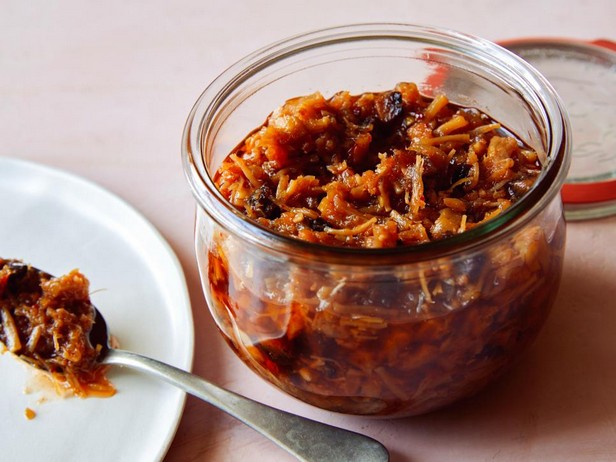
XO sauce is believed to have originated in Hong Kong in the 1980s at the Peninsula Hotel's Spring Moon restaurant. While its name, "XO" (Extra Old), derives from an expensive, aged cognac, it contains no alcohol. The name "XO" reflects the luxurious character of this umami-rich sauce, made with high-quality, expensive ingredients, including dried scallops, dried shrimp, and premium Jinhua ham. Dried scallops and shrimp can be purchased online or at Chinese markets. Jinhua ham is more challenging, but any other cured ham will do. This recipe simplifies the sauce-making process somewhat: the ingredients are sautéed in a single pan, step by step (rather than separately), and a food processor replaces much of the manual knife work. However, you'll still get the same stunning sauce with a complex, savory flavor. Serve it with fried rice, noodles, steamed vegetables, seafood, chicken, even just plain rice. XO sauce is delicious with almost anything!
Recipe: XO Sauce
Pork Belly and Mui Choy in a Rice Cooker
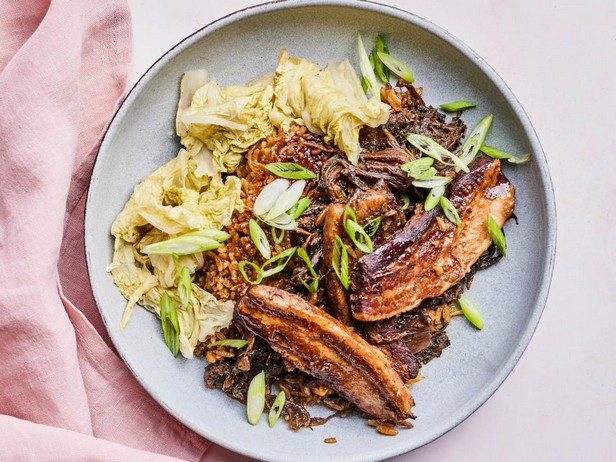
This tender pork belly in a rich, savory sauce is cooked entirely in a rice cooker and packed with flavors inspired by the classic Chinese dish—pork belly with preserved mustard greens (muy choy kau yuk in Cantonese) steamed in a steamer. It's a celebratory dish, served on special occasions with rice on the side. Here, we've simplified the process by cooking the pork and muy choy over jasmine rice. To emulate the rich flavor of the original dish, which typically requires a long simmer, the sauce is enhanced with umami-rich chicken broth, fish sauce, and fermented red bean tofu.
Recipe: Pork Belly and Mui Choy in a Rice Cooker
Singaporean Mei Fung
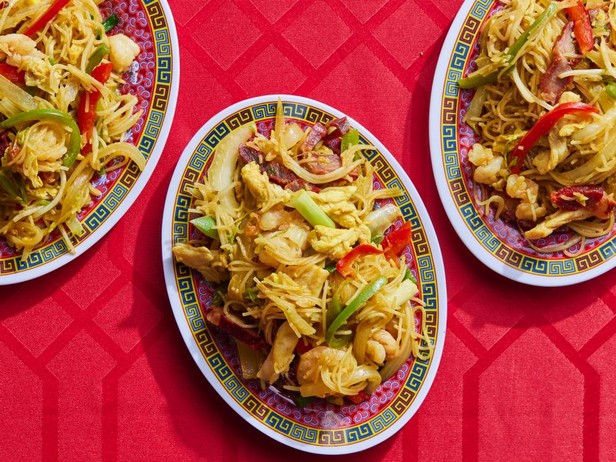
Singapore-style mei fun is a classic noodle dish served in Chinese restaurants around the world. However, it doesn't originate in Singapore, and many Singaporeans have never even heard of it. The dish originated in Hong Kong during its British colony days, when curry powder was widely used. Combined with rice noodles, a variety of proteins, and vegetables, curry is considered the perfect seasoning for this hearty stir-fry. This recipe uses chicken, shrimp, and char siu, but any protein will work, even mushrooms for a vegetarian option (you can use vegetarian oyster sauce instead of regular oyster sauce). Feel free to substitute vegetables; just cut them into thin strips for easy eating with the noodles.
Recipe: Singaporean Mei Fung
Chinese-style fried flounder
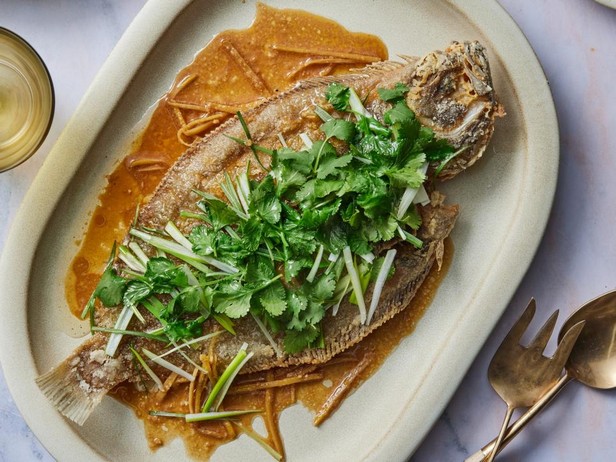
Whole fish is a traditional part of the Chinese New Year feast, symbolizing abundance, wealth, and good fortune in the coming year. However, this recipe is perfect for any occasion thanks to its stunning presentation: the crispy whole fish, generously sprinkled with herbs (a mix of green onions and fresh cilantro), blossoms when drizzled with a spoonful of sizzling hot oil. A mixture of rice flour and cornstarch helps create a crispy crust when fried. Be sure to serve the fish with rice so it soaks up the delicious sauce.
Recipe: Chinese-style fried flounder
Snow-white mooncakes (yuebing)
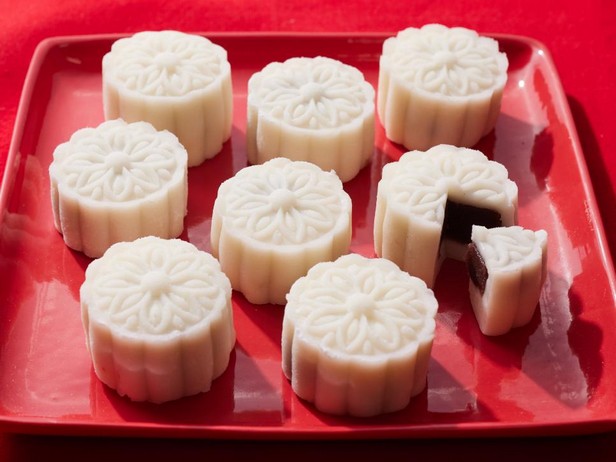
Snow-white mooncakes (yuebing) are a soft, chewy dessert similar to mochi, with a variety of sweet fillings. Exchanging mooncakes is an important part of the Chinese Mid-Autumn Festival, sometimes called the Moon Festival or the Mooncake Festival. Traditionally, the dough for mooncakes was made from wheat flour, but in the 1960s, rice flour began to be used in Hong Kong, and the cakes themselves were steamed rather than baked. Today, this version is particularly popular throughout China and beyond.
Recipe: Snow-white mooncakes (yuebing)
Stewed eggplant with tofu and shiitake mushrooms in a clay pot
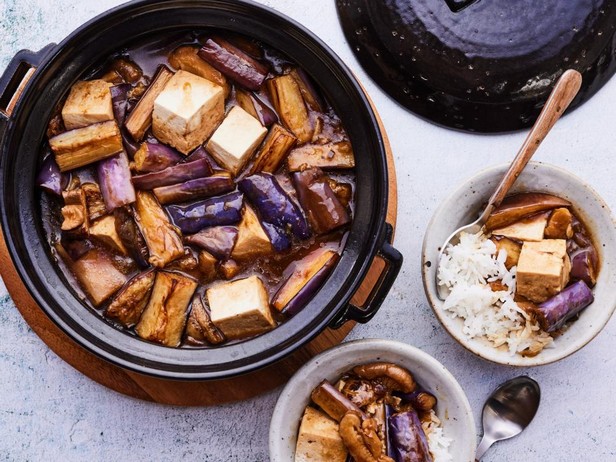
This vegetarian dish is inspired by the braised eggplant popular in Cantonese restaurants. Typically prepared with pork or chicken, we've replaced the animal protein with tofu and shiitake mushrooms to create a filling yet lean dish. A clay pot is ideal for braising, as it retains steam well, resulting in a creamy eggplant. Before braising, the eggplant is stir-fried in a wok and then combined with the other ingredients and sauce in the pot. Chu hou paste and vegetable umami seasoning impart a stunning flavor to the dish, making it a great vegan alternative to fish sauce. However, if you're not particularly concerned about a vegan option, you can use regular fish sauce or oyster sauce.
Recipe: Stewed eggplant with tofu and shiitake mushrooms in a clay pot
Baozaifan: Rice in a Pot
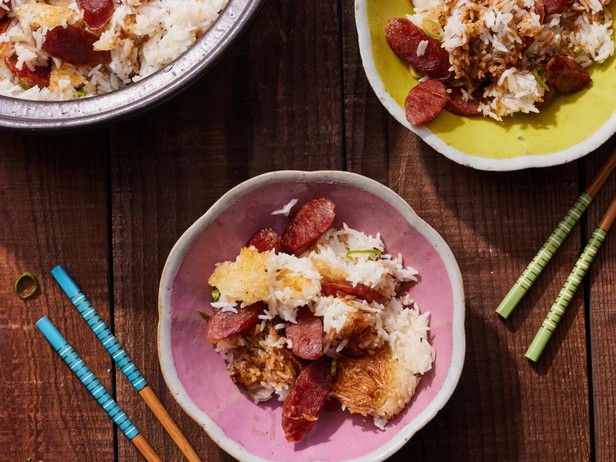
Bao zaifan is a delicious clay pot rice dish popular in many parts of China, especially Hong Kong. Its distinctive feature is a layer of crispy rice (fan jiao) at the bottom of the pot, which harmoniously complements the fragrant, fluffy rice on top. The rice is typically topped with various proteins and other fillings, including Chinese bacon, dried fish, pieces of marinated chicken, and vegetables, but in Hong Kong, bao zaifan is most often prepared with Chinese sausage, and this recipe reflects this tradition. Bao zaifan rice is typically soaked, but we've simplified the cooking process so the dish is ready in just 40 minutes.
Recipe: Baozaifan: Rice in a Pot
Chicken with broccoli in white sauce
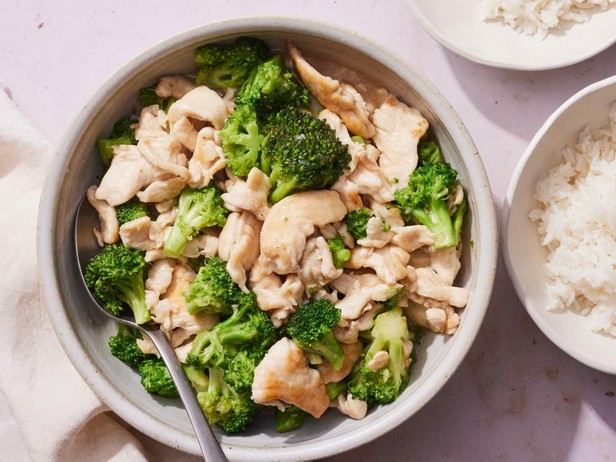
Chicken with broccoli is a popular dish in Chinese restaurants, where it's typically topped with a rich brown sauce. This recipe features a milder but no less delicious Chinese white sauce, clear and savory, thickened with cornstarch paste. It also uses the traditional Chinese technique of "velvetizing," a process of marinating the meat in a thin coating of starch and vegetable oil, which softens the meat, helps retain juices, and crisps up the skin. If velveting seems complicated, don't worry: it's essentially a simple marinating process that takes just a few minutes of active work and 30 minutes of resting time. Don't skip this step, and you'll have perfectly tender and juicy chicken with tons of savory flavor.
Recipe: Chicken with broccoli in white sauce
Liang fen bing: herbal jelly drink

Herbal jelly drinks like this one are especially popular in Hong Kong cafes. Herbal jelly (liang fen) is made from a Chinese mint-like plant. With a distinct herbal flavor and a slight bitterness, it pairs well with sweet ingredients, especially sugar syrups or fruits. In this version, herbal jelly cubes are mixed with brown sugar syrup, soy milk, and ice to create a delicious, refreshing drink similar to milk tea. Pandan leaves (available in Asian supermarkets) add a distinctive flavor to the syrup. Instead of soy milk, you can add plain water. The drink will taste similar to iced tea.
Recipe: Liang fen bing: herbal jelly drink
Tang-tsai-juk
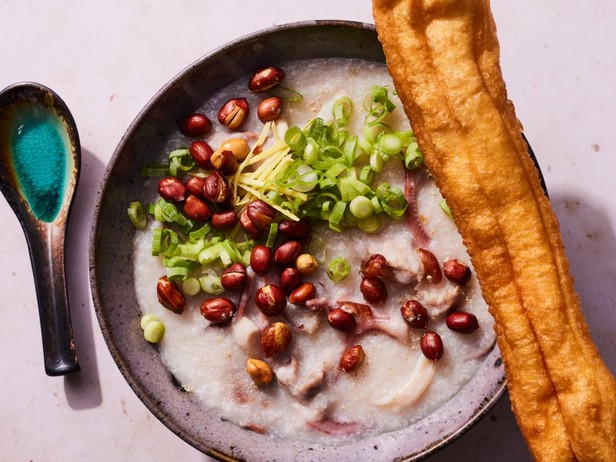
Tang zai jook is a variation of congee (rice porridge), the name of which translates as "boat porridge," a reference to its fishing origins. Congee (or jook in Cantonese) is a popular breakfast in many parts of Asia and can be served alone or with a variety of toppings and accompaniments, including seafood, salted pork, and sometimes a century egg. This recipe uses both pork and seafood, as is common in many restaurants in China and Hong Kong. The most delicious part of the dish is perhaps the roasted red peanut topping. It imparts a deep, salty, nutty flavor to the porridge, and can be made ahead of time and stored for up to five days. Just be warned: it's so delicious, you might not have any left by the time you're ready to serve it. We recommend serving tang zai jook with youtiao, a Chinese doughnut.
Recipe: Tang-tsai-juk
Miso soup with tofu chrysanthemum
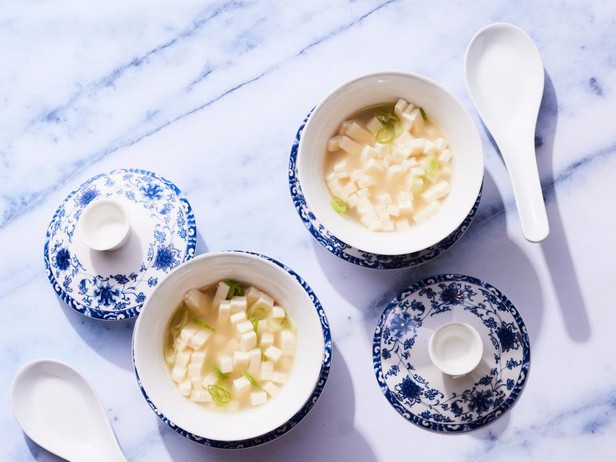
This tofu chrysanthemum has become a social media hit: thinly sliced tofu floats in a bowl of broth, forming a beautiful flower. This dish is considered a test of Chinese chefs' knife skills, but it's very easy to make at home with a few tricks. When slicing soft tofu, we recommend using chopsticks on both ends to prevent accidentally cutting completely. To easily transfer the flower to the bowl, use a plastic spatula. We found this technique even more successful than using a special tofu flower cutter. This chrysanthemum can be served in a variety of clear broths. Chicken broth is most commonly used, but we preferred the richer Japanese miso soup, which is ready in minutes.
Recipe: Miso soup with tofu chrysanthemum
Jellyfish salad with Chinese celery
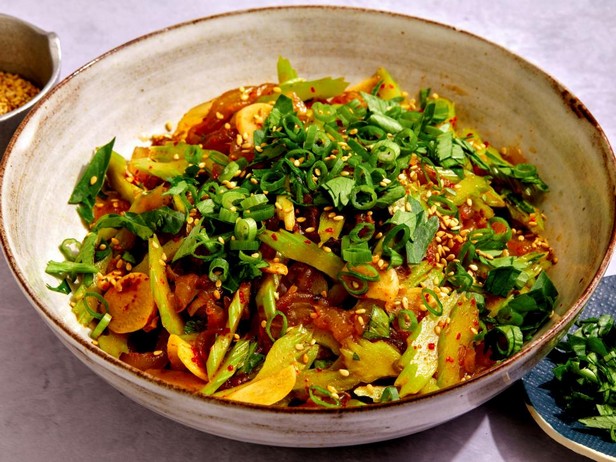
This appetizer is made with jellyfish, which has a pleasant, squid-like texture, tender and slightly firm. To save time, we recommend using quick-cooking jellyfish: just 10 minutes of salting and it's ready to eat. The bright, tart, and piquant flavor of the sauce in this salad pairs well with Chinese celery. If you use regular celery, be sure to peel the tough outer layer off the stalks. The gochukaru pepper has a mild spiciness, but you can omit it entirely if desired.
Recipe: Jellyfish salad with Chinese celery
Jellyfish salad with pickled daikon
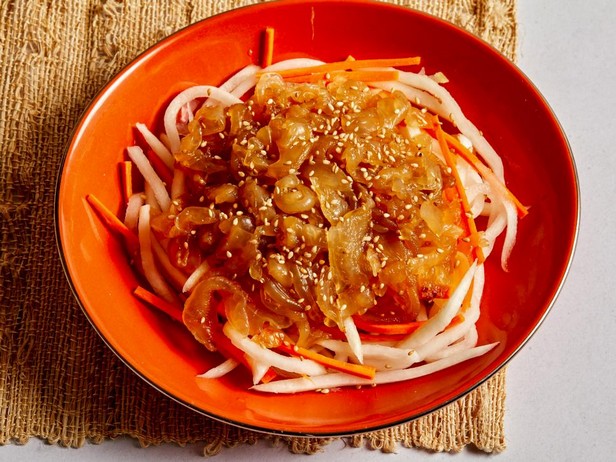
With its pleasantly chewy texture, jellyfish is a blank canvas, ready to absorb any flavor you choose. In this recipe, the savory-sweet soy dressing imparts its stunning flavor, and the salad itself was inspired by the sumptuous sesame-dusted jellyfish dishes served with pickled daikon and cold meats in Chinese banquet halls during weddings and other celebrations. We suggest trying the combination of just jellyfish and pickled vegetables. But if desired, you can complement it with any meat platter, such as thinly sliced roast beef, ham, or even chicken feet marinated in white wine.
Recipe: Jellyfish salad with pickled daikon
Lou-rou-fan
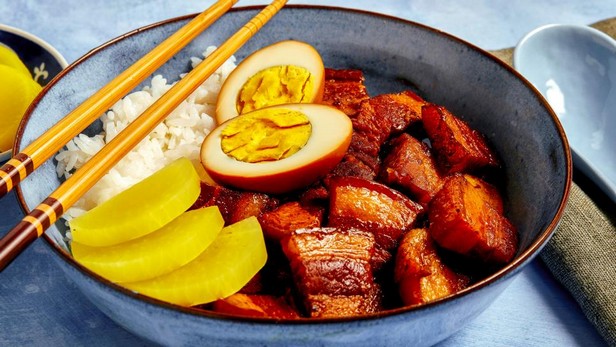
Taiwanese-style braised pork belly is one of the simplest yet most filling dishes in Asian cuisine. Its popularity is partly due to the delicious combination of tender pork belly, a savory-sweet sauce, and a boiled egg, served with jasmine rice, which perfectly absorbs all the flavors and aromas. Lu rou fan is traditionally served with pickled daikon, which adds freshness and crunch. You can substitute any pickled vegetables of your choice, blanched bok choy, or other dense greens.
Recipe: Lou-rou-fan
 Recipe author - Food Network
Votes: 9
Categories
Double boiler / Wok / Pickled dishes / Festive dishes / Main courses / Cereals, legumes / Pasta / Meat / Vegetables and mushrooms / Bird / Fish and seafood / Eggs and dairy products / Savory pies / Savory pies and buns / Cakes / Sweet pies, tarts and casseroles / Donuts, pies, buns / Appetizers / Assorted appetizers / Snacks with sauces / Meat appetizers / Fish appetizers / Vegetable appetizers / Egg appetizers / Salads / Vegetable salads / Salads with pasta and cereals / Soups / Thick soups and stews / Clear soups / Soups with dressings / Vegetable soups / Meat soups / Fish soups / Soups with pasta and cereals / / / Recipe collections / Food Network - recipes / Chinese cuisineSimilar recipes
Meatless Bulgogi (Marinated Fried Eggplant)
13 Chinese Dumpling Recipes Worth Trying

What to Make with Leftover Chili: 10 Recipes
Vegetable soup with wontons
5 unusual shashlik recipes
9 Healthy Spring Recipes
Excellent basmati rice
10 Winter Food Recipes to Pair with Wine
5 Pie Recipes for Lunch
Bowl with Chinese noodles, mushrooms, tofu and vegetables
Broccoli and Green Pea Stir-fry
Peking duck
A Latin American seasoning - sazon

10 Recipes to Make with Store-Bought Sponge Cake

5 Miniature Party Dessert Recipes

Mexican Breakfast Recipe Collection
5 Savory Snail Breakfast Bun Recipes
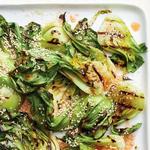
Grilled bok choy with sesame seeds
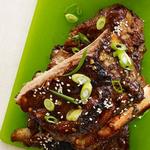
Spicy pork ribs with hoisin sauce glaze
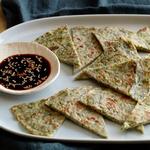
Onion pancakes in a frying pan
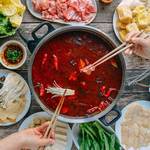
Chinese cuisine at home
Deviled Eggs (10 Recipes)
Homemade Chinese noodles

What can replace sesame oil?
Basics of Soup Making

About Italian cuisine

Chili powder is a seasoning made with chili peppers.
Stir-fried bok choy with garlic and ginger
Star anise

Piquillo pepper

Pomegranate molasses

Worcestershire sauce
Appetizers
Beer snacks
Cheese appetizers
Sandwiches
Snacks
Canapes
Assorted appetizers
Snacks with sauces
Meat appetizers
Fish appetizers
Vegetable appetizers
Egg appetizers
Soups
Cold soups
Creamy soups
Cream soups
Soups with dressings
Clear soups
Vegetable soups
Thick soups, stews
Meat soups
Fish soups
Soups with pasta and cereals
Main courses
Meat
Bird, game
Side dishes
Vegetables, mushrooms
Fish, seafood
Cereals, legumes
Eggs, dairy products
Pasta
Casseroles
Salads
Warm salads
Vegetable salads
Leafy salads
Fruit salads
Salads with cereals and pasta
Salads with meat
Salads with fish
Salads with eggs
Salads with beans
Salads with bread
Fast food
Hamburgers
Sandwiches
Hot dogs
Pizzas
Hot sandwiches
Tortilla Dishes
Pita dishes
Pancakes
Sauces for fast food
Deep-fried dishes
Sauces
Seasonings
Gravies
Dips
Spreads
Barbecue glazes and sauces
Salad dressings
Oil mixtures
Emulsion sauces
Sweet sauces
Hot sauces
Sauces for fast food
Grill, barbecue
Grilled meat
Grilled poultry
Grilled fish
Smoked dishes
Grilled vegetables and fruits
Grilled flour products
Barbecue glazes and sauces
Bakery
Savory pies, pizzas
Homemade bread
Potato pancakes, pancakes
Unsweetened buns, pies
Unsweetened cookies and muffins
Desserts
Cupcakes
Fruit desserts
Cookie
Cakes
Donuts, pies, buns
Candies and small sweets
Creams, sauces, mousses, puddings
Soufflé, meringues, meringues
Jelly
Ice cream, sorbets
Cakes
Sweet pies, tarts
Pancakes, fritters, waffles, toast
Breakfast cereals, granola, muesli
Drinks
Milkshakes
Smoothies, granitas
Coffee and chocolate based drinks
Fruit drinks, juices
Tea and herbal drinks
Hot drinks
Alcoholic cocktails
Cocktails with vodka
Cocktails with gin
Whiskey cocktails
Cocktails with wine
Cocktails with brandy, cognac
Cocktails with absinthe
Cocktails with rum
Cocktails with sparkling wine
Tequila cocktails
Cocktails with beer
Cocktails with liqueurs
Frozen cocktails
Cooking methods
Air fryer
Pressure cooker
Cold dishes
Multicooker
Stuffed dishes
Deep-frying
Double boiler
Pan
Baking tray
Foil
Oven
Roaster
Mixer
Blender
Brazier
Food processor
Microwave
Wok
Pickled dishes
Dried and cured foods
Pickled dishes
Poached dishes
Salty dishes
Smoked dishes
Canned goods
Seasonal dishes
Festive dishes
New Year
Christmas
Valentine's Day
March 8
Easter
May 1st
Halloween
Birthday
Party Dishes
Wedding dishes
Cocktail party
Dinner party
Mother's Day
Cuisines of the world
European
French
Italian
Spanish
Greek
English
Irish
German
Portuguese
Austrian
Polish
Russian
Scandinavian Swedish
Asian Chinese Japanese Thai Vietnamese Korean Filipino
Arabic Jewish Turkish
Indian
African Moroccan
American Hawaiian Cajun Canadian Tex-Mex
Latin American Mexican Venezuelan Argentine Brazilian
Caribbean Cuban Jamaican
Scandinavian Swedish
Asian Chinese Japanese Thai Vietnamese Korean Filipino
Arabic Jewish Turkish
Indian
African Moroccan
American Hawaiian Cajun Canadian Tex-Mex
Latin American Mexican Venezuelan Argentine Brazilian
Caribbean Cuban Jamaican
Categories
Breakfasts
Lunches
Dinners
Children's dishes
Dishes for future use
Budget recipes
Comfort food
Recipes for one
Recipes for two
Picnic
Backyard Recipes
Dishes for fans
Movie Night Dishes
Cooking methods
Food Network Recipes
Recipe collections
Recipes by ingredients
Healthy eating
Healthy breakfasts
Lunches
Dinners
Healthy snacks
Dishes rich in fiber
Gluten-free dishes
Low sodium content
Low-calorie dishes
Dishes for diabetics
Low-carb meals
Low fat content
Low cholesterol
Calorie content of prepared meals
Vegetarian dishes
Vegan dishes